The Vital Benefits From Eating Plant Based Beyond Just Yourself – By Author Brenda Davis
Brenda Davis offers fresh insights on the treatment of animals in food production and other industries, the latest findings on the health benefits of a vegan diet and expanded the information on phytochemicals, Brenda’s information is extensive in scope, yet manageable for anyone who wants to easily understand how to construct a nutritionally balanced plant-based diet.
Here are the latest findings on: using plant foods to protect against cancer, heart disease, and other chronic illnesses; obtaining essential protein without meat, eggs, or dairy products; discovering “”good”” fats and where to find them; meeting dietary needs for calcium without dairy products; understanding the importance of vitamin B12; designing balanced vegan diets for infants, children, and seniors; and making the most of vegan pregnancy and breastfeeding.
This is a sound blueprint to follow for better health for yourself and the planet.
Connect with The Real Truth About Health
http://www.therealtruthabouthealth.com/
Passionate believers in whole food plant based diets, no chemicals, minimal pharmaceutical drugs, no GMO’s. Fighting to stop climate change and extinction.”
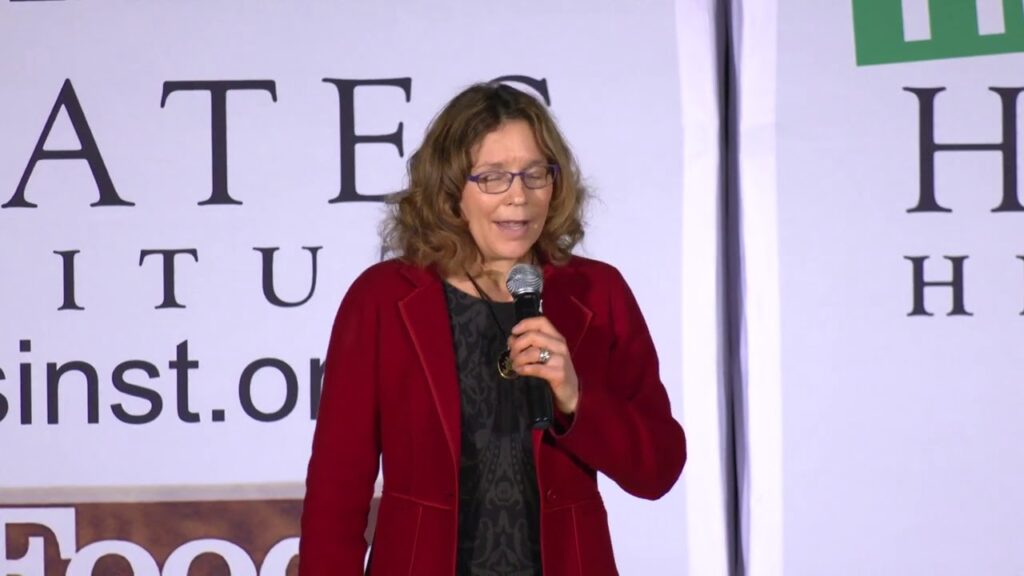
so the take-home message is well-designed whole food plant-based diets are nutritionally adequate and can provide very powerful protection against chronic diseases and so finally are there benefits to eating plant-based beyond ourselves and and um the answer of course is absolutely positively yes if you eat a plant-based diet you’re probably taking the most powerful step that any human being can take towards the preservation of this planet and i want to tell you when my son was in his fourth year undergraduate degree in environmental sciences the professor had all of the students in the class calculate their carbon footprint and my son lived about a half an hour drive from the university or 20 minutes or something like that and so he was driving a car and there were a lot of students in the class that were super environmental keenists and they were taking two minute showers and biking to school and all of those things and when they calculated their carbon footprint my son had by far the lowest carbon footprint in the class and the other students were just you know they were just outraged they said but sir he drives to school and the and the he my son called me right after this happened because he was so excited the teacher looked at the class and said read my lips he doesn’t eat meat it doesn’t matter how much he drives you will never touch him so i thought that was pretty cool of the teacher to say that
and the reality is the proceedings of national academy of sciences released a report in their journal in 2016 that that actually did the math and they said by 2050 greenhouse gas emissions would be reduced by 29 percent if everyone followed the global dietary guidelines to eat more fruits and vegetables and eat less meat sugar and calories but they would be reduced by up to 70 percent if everyone went vegan and their recommendation a global shift to a plant-based diet you know uh we dr walter willett uh will be here uh speaking and he is i believe the most quoted epidemiologist in the world and uh with um i think 1700 peer-reviewed published uh journal articles to his name uh and and he was heading up this lancet commission and and what he said was transformation to healthy diets by 2050 will require substantial dietary shift global consumption of fruits vegetables nuts and legumes will have to double and consumption of foods such as red meat and sugar will have to be reduced by more than 50 percent basically to achieve our goals
and plant-based diets when we think about benefits beyond ourselves we cannot ignore the benefits to our fellow creatures that we share this planet with eating plant-based to me is the most ethically justifiable choice i can remember i’m gonna tell another story about my son when my son was three years old we were driving by a mcdonald’s and he looked at me and he said mommy can we have a mcdonald’s hamburger and i knew he had seen the commercials of the hamburglar stealing the burgers off the trees and i thought it was time to tell them that hamburgers don’t grow on trees so i said to him i said honey i said um i i have to tell you something i said the hamburgers at mcdonald’s are not the same as the hamburgers at home at home we make our hamburgers with beans and with nuts and things like that and the hamburgers at mcdonald’s are made of cows and he looked at me like i had just lost my mind and he said mommy people do not eat cows and and um and and i i was trying to think of what to say and he and then he said do they mummy do they and and i i said um yes they they do uh and he i could see the little tears coming down and he said but mommy he said them have eyes he said he said don’t they know the cows are people too and out of the mouths of babes i thought it’s it’s amazing how kids just get it
and you know when we think about ethical justifiability if everyone ate plant-based the global calorie supply would increase 50 percent which could effectively wipe out hunger and of course the situation for animals i love this little eat more kale is i you know i became i became vegan because i decided to educate myself about animal agriculture when i had an interaction with a hunter who just happened to be one of our closest friends and he was on his way deer hunting and he said to me i i said to him i don’t understand why you could feel how you could feel good about going into the bush and shooting another beautiful deer and i said what is it it’s not a sport why do you have to do this and and it was what he said back to me that changed the course of my life he said you know brenda just because you don’t have the guts to pull the trigger does not mean you are not responsible for the trigger being pulled every time you buy your piece of meat camouflaged in cellophane in the grocery store he said at least the animals i eat have had a life can you say the same for the ones that are sitting on your plate and i was silenced because i had no reasonable response and i vowed that i was a public health nutritionist and i vowed at that point that i would find out more and take responsibility for the food i was eating and when i started to research it it took me about a week to say i’m not doing this anymore and i said to my northern ontario husband who was best friends with the deer hunter i said we’d never really met real live vegetarians we were in northern ontario it’s beer bingo hunting and fishing basically there and i said would you be willing to become a vegetarian and he looked at me and he smiled and he said i thought you’d never ask he said i would love to be a vegetarian and i thought how did i get so lucky i picked very very well we this year will be our 42nd anniversary so uh i think i did i did okay
um you know the reality is 70 billion animals are slaughtered for food every year and the vast majority are raised in cafos confined animal feeding operations probably at least 90 percent in north america are raised in cafos and we don’t have time to go into detail but i’ll tell you just this is that what we do to pigs if we did to dogs we would be charged with a criminal offense it is beyond belief how we raise these sentient beings and you know for me the thing that comes to mind is why would we as human beings cause pain suffering and death in our fellow creatures when it is not only unnecessary but it is ultimately destroying our planet and destroying our own health it makes no sense albert einstein once said we have a sacred we have to do the best we can this is our sacred human responsibility by getting our nutrition from plants we all win and we have a choice when we consider the consequences of our food choices not just for ourselves but beyond ourselves a plant-based diet in my view becomes both an ecological and an ethical imperative and with that these are my books and with that i’ll say thank you very much for your attention