

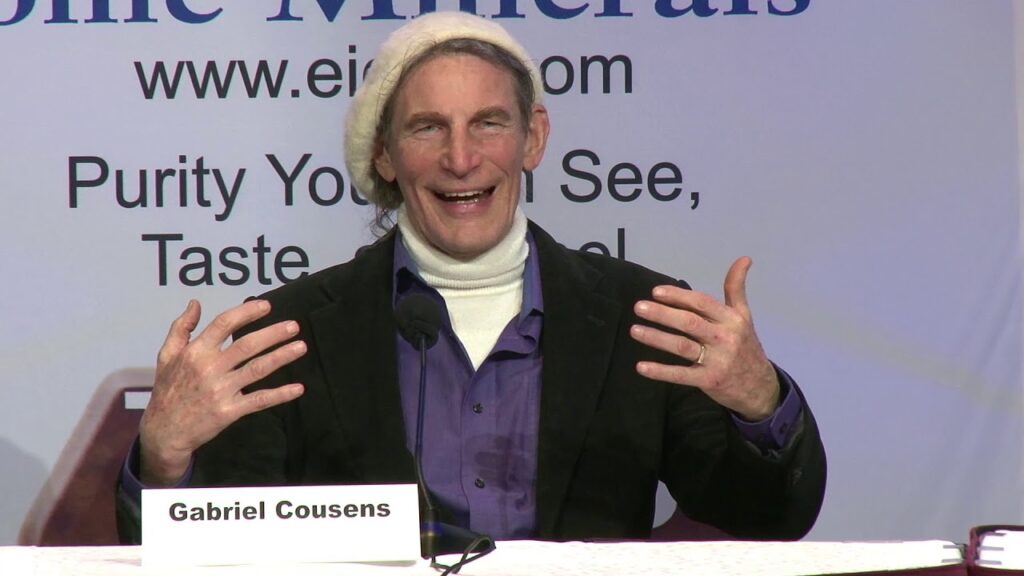
Should Fruit Be Avoided If You Have A Health Challenge? What About If You Are Healthy? with Brenda Davis, R.D., Gabriel Cousens, M.D., Joel Fuhrman, M.D., Kim Williams M.D.
Connect with The Real Truth About Health
http://www.therealtruthabouthealth.com/
Passionate believers in whole food plant based diets, no chemicals, minimal pharmaceutical drugs, no GMO’s. Fighting to stop climate change and extinction.
Introduction
Gabriel UN Bryant dr. Bryant and you and Brian Clemente have both said that somehow you’ve not somehow you’ve come to the conclusion that fruit is been hybridized to be sweeter than it was in nature it’s picked unripe and you’re both saying that when people have health challenges that even though it’s fruit it still has sugar in it and it should be avoided if someone’s fighting has a health challenge and if someone’s well it still is something that you’re saying should be very moderate um most of the other whole food plant-based people have a more open approach to fruit and are saying it’s definitely part of the the program how should everyone be thinking about fruit in other words I guess I’ll say in what clearly Brian Clement is really is saying that the fructose in fruit is sugar and that it’s not different because it’s in fruit and it’s kind of an unpopular opinion it’s not repeated by many other people but he has said over and over that when they’ve done live blood testing over the years that the sugar would been fruit feeds yeast mold fungus and cancers and I’ve asked him in a hundred and fifty times because I want to eat fruit and he’s been very adamant and I think you’ve been sort of supportive of it also do you want to clarify on fruit what you thoughts are
yes let’s start with again as a medical treatment first diabetes I don’t suggest people have any fruit because of the food toast I’ll explain that cancer the same thing fructose feeds let’s say this way cancer cells well glucose ten times more than they in the normal cells and cancer cells love fructose ten times more than they love glucose that’s one problem another problem because I do a lot of work with people with cognitive decline is that fructose activates the glia cells of the brain over activates is really a key word in creats and that’s ten times more than normal okay then glucose and when the Lea cells of the brain get activated it creates a inflammation the inflammation is a driving force behind cognitive decline and Alzheimer’s disease so kind of talking on that level now in terms of okay your diabetes is done your your blood sugar is you know perfect 70 to 85 everything’s good then fine let’s say you can have some fruit no in my studies there’s about at least eight studies out there there’s only three fruits that don’t seem to raise your blood sugar no fructose doesn’t raise your blood sugar but directly but in in its bilberries blueberries in green apples so I I say fine you want some fruit get started blueberries are pretty good a really good way to start so that’s another consideration a third consideration is some people are saying more than 15 or up say it’s pointing 15 to 25 grams of fruit was like 2 bananas or something like that is pretty safe meaning it’s not having a negative impact when we start the average American runs about 81 grams of fructose fructose an excess I just we’ve mentioned two things well three things accelerates diabetes indirectly because it disrupts leptin insulin signaling and a few other things which really are problem for diabetes fructose inflames the brain fructose is associate with increased heart excess fructose heart disease gout kidney stones cognitive decline and Alzheimer’s so excess fructose is what we’re looking at so a little bit of fruit doesn’t seem to be a problem and so I’m not quite as strong about it as Bryant but he is treating a lot of cancer people and fructose really feeds cancer so I think we’re coming from with just clinically hey that’s really emergency if you have a cancer you need to do everything you can not to aggravate the cancer cells I mean in attempt them feed them so but once we’re clear that at the diabetes and cancer then a little bit of proof is I think fine as far as I can go I’m not a problem so it’s time to if the
Sugar
cardiologist I appeared time to confess that I carry them around with me wherever I go but those of you again I’m gonna preview my talk for tomorrow sugar whether it’s a sucrose fructose galactose that really does produce an insulin insulin response and to the extent that that does that it really does harm the cardiovascular system makes your LDL cholesterol more dangerous by glycated it okay decreases your HDL cholesterol increasing your triglyceride what is triglyceride well it supposed to be fat well you give sugar to your liver and you will make fat and so that insulin response is associated with higher blood pressures with more blood vessel damage more vascular events heart attack stroke and death and so I usually with more more in my nuclear circles make the analogy that you know everybody knows what a nuclear reactor is like and you’ve got all this uranium plutonium and it’s gonna go nuclear so to speak if you don’t have control rods which are usually cadmium you need something in there to stop that horrific reaction from happening well we actually have that in fruit it’s called fiber okay and so I would encourage anyone who’s concerned about it I can’t tell you exactly but going to a lot of vegan conferences I’ve learned that about a four to one ratio of sugar to fiber is what makes sure that you do not get that horrific insulin response and so that four to one ratio you know you get something like snack wells it’s 22 to 1 that’s really not what we want in terms of sugar and there are some fruits that are extremely high in sugar and very low in fiber notably grapes and so once I read that you have grapes and raisins I put it on a salad or something like that I wouldn’t eat them by themselves but there are some fruits that are extremely high in fiber such as you know some of them have been mentioned loop areas but blackberries and raspberries are much more high in fiber and less sugar and therefore you’re not going to get that dreaded insulin response that’s really good can
Diabetes
I go on that because I’m in the same boat as you I actually treat a lot of diabetics and even cancer patients the same thing but in any case I just want to make two things clear what you said is that we generally recommend that people eat a low glycemic diet and for example white potatoes or more glycemic than fruit would be even but we find that one piece of fruit with a low glycemic meal with a healthy meal with vegetables and beans and mushrooms and you know and onions and tomato that one piece of fruit does not raise the insulin response in an otherwise healthy meal and that in treating my diabetics I have our one right in my clinic right now who was a type one and a half I think who came in with a glucose of above 500 but we’re feeding her with some fruit that were giving her like you said we’re giving her wild blueberries not regular blueberries to the wild blueberries a low glycemic we’re giving her kumquats that we grow our you know kumquats and passionfruit and guava and and that’s it we’re just giving her lower sugar fruits and we’re keeping our sugars really well and right now you know she’s down to like two units of insulin each meal on a type-1 you know I mean so we’re almost getting her with favourable sugars and we’re not preparing the highs and lows and in more so we measured it we measured the both the insulin response the glucose response after the meal and we’re able to peep and there are some fruits that are that in nature or not are not that sweet and have been shown to have excellent to prevent protective effects against dementia and against cancer for their bio flavonoid and flavonoid intake and they’re high in fiber and they’re not that highly glycemic either so it depends on the person but for most healthy people there’s thing wrong with eating almost any type of fruit if you’re having uh certainly like one piece of regular fruit with a meal and for those that are more sugar sensitive there is still some fruits that they can safely eat and and I would
Fructose
add if you if you look at the the research very consistently the amount of fruit people eat is very consistently associated with reduced risk of disease heart disease and all cause mortality and and everything else diabetes and cancer and so forth so I think that’s one thing to consider and then the other thing too to be aware of and this is really new information so it may shock everybody at the table here but there was a 2018 report from cell metabolism that actually put a tracer on fructose to see what was actually happening to fructose we used to always think that fructose got shuttled straight to the liver and that the liver had to deal with it and and and it would you know either get turned into fatty acids or it would get turned into glucose to be used as energy we now know that that’s actually not true what happens to fructose happens largely in the intestinal tract there’s there are enzymes in the intestinal tract that convert about 86% of the fructose you eat into glucose before it ever enters the bloodstream and and so only about 14% gets through and so the amount of fructose you’re eating in fruit it doesn’t all get into your bloodstream when people run into trouble and actually what they showed was that when you’re getting it in fruit and you’ve got all of the fiber and so forth in the fruit but that’s an amount of fructose your intestinal tract enzymes can handle quite quite nicely what what the problem is is when you extract fructose from foods and concentrate it and add it to processed foods with no fiber then you overwhelm the intestinal tracts ability to convert that fructose to glucose and that that excess fructose get shuttled to the liver and it does some damage I mean it really is more damaging and significantly as dr. cousin says then then glucose and so we don’t want to overwhelm the system with fructose but the easiest way to overwhelm the system is consuming concentrated fructose as in sugar sweetened beverages for example or or a guava what’s that called agave nectar agave nectar is mostly fructose and and so but even table sugar is 50% glucose 50% fructose high fructose corn syrup is about 55 usually 55 for Coase 45 glucose well well sucrose is 5050 it’s not really that much difference the difference is of course in sucrose it’s it’s a it’s a disaccharide that there are bound together and you have to cleave them apart before you you absorb it wear it whereas with with a fructose with you know pure fructose it’s a single you know it’s a single molecule that gets absorbed probably even more quickly because it doesn’t have to get broken down but just something to be aware of that it’s a little bit of a different metabolic process than we used to think it was we’re just starting to learn about the metabolic fate of fructose