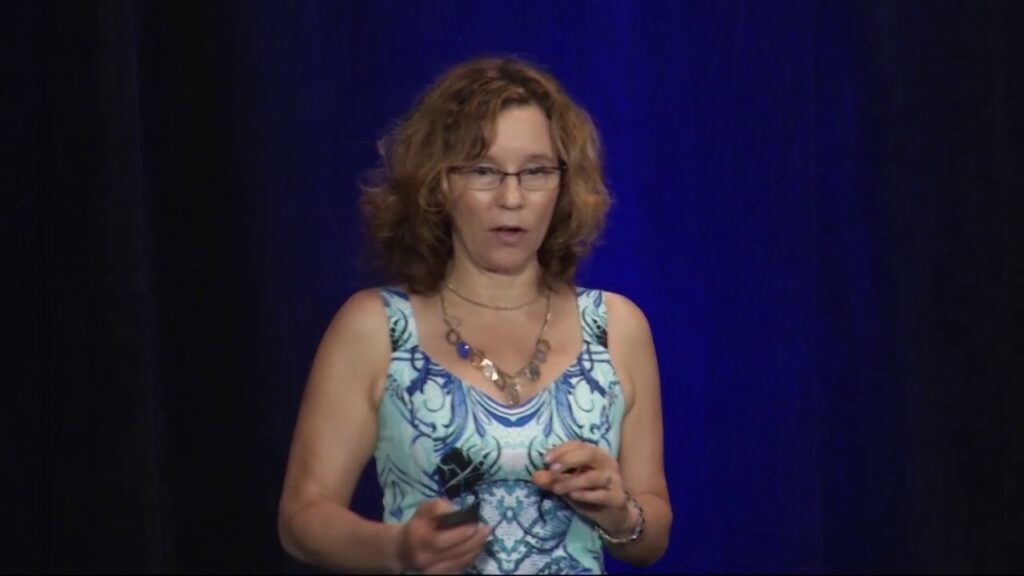
Internationally acclaimed dietitian Brenda Davis explores the health benefits of vegan diets compared to other dietary choices; explains protein and amino acid requirements at various stages of life; describes fats and essential fatty acids and their value in plant-based diets; investigates carbohydrate facts and fallacies; reveals the truth about wheat, gluten, and grains; pinpoints where to obtain calcium, iron, zinc and other minerals without animal products; clarifies the importance of obtaining vitamin B12; and shows how to attain optimal nutrition during pregnancy and lactation and how to achieve and maintain healthy weights and exceptional fitness on a vegan diet.While much of the emphasis is on the health advantages that vegan diets offer. Plant-based nutrition truly benefits the entire planet, and every bite makes a difference.
Connect with The Real Truth About Health
http://www.therealtruthabouthealth.com/
Passionate believers in whole food plant based diets, no chemicals, minimal pharmaceutical drugs, no GMO’s. Fighting to stop climate change and extinction.
but there are some factors that are potentially unfavorable for vegans and we end vegetarians so we need to be aware of those so what are they number one elevated homocysteine if you ignore vitamin b12 you are shooting yourself in the foot because your homocysteine shoots up your risk of heart disease potential we’re at risk of Alzheimer’s a birth defects and so on we’ll also shoot up okay so it’s really important to recognize that low omega-3 fatty acid status may also cause increased platelet aggregation or the stickiness of your blood cells it can elevate triglyceride levels and many vegetarians and vegans tend to have a lower omega-3 status so we need to take care of that it’s not difficult to take care of it but we need to take care of it so plant sources of omega-3s or taking microalgae which is the original source of DHA and EPA in the ocean which you can buy in the supplement form and oh this i won’t i won’t going to that
high refined carbohydrate intakes are another problem potentially with vegetarian and vegan diets refined carbohydrate diets boost triglyceride levels and they increase the bad small dense LDL levels and this is the low-density lipoprotein which elevates your risk of heart disease so we what we don’t want to do is rely on refined carbohydrates as staples in our diet we should be eating unrefined carbohydrates instead low carbohydrates are not the answer and replacing saturated fat with refined carbohydrates does very little to alter our risk for cardiovascular disease replacing saturated fat however with unrefined carbohydrate is protective the Nurses Health Study in 2014 reported that long-term use of low carb diets rich in animal protein not in vegetable protein increased cardiovascular disease risk by 51% and all cause mortality by 33% so the high-protein plant-based diets did not increase risk at all
so the question is often asked how much red meat is safe and this question was posed to dr. Walter Willett from Harvard if you’re aware of dr. Willits work he’s one of the leading epidemiologists in the world and has been involved with the Nurses Health Study in the health physician study and so forth and here’s what he had to say like almost everything its frequency and amount that influence our risk there’s no sharp cutoff it’s like radiation we can’t say there’s any safe amount Harvard study found that red meat increased risk of cardiovascular disease by 18 percent for every serving of unprocessed red meat and 21% for every serving of processed red meat why saturated fat Hema iron neu5gc carnitine hormones and antibiotics and so on and so on and so on there have been three recent meta-analysis on red meat intake and cardiovascular disease and they all showed four unprocessed red meat an increase of 10 to 15% in risk and for processed red meat an intake of more like 20 to 40 percent increase in risk