
Brenda Davis offers fresh insights on the treatment of animals in food production and other industries, the latest findings on the health benefits of a vegan diet and expanded information on phytochemicals, Brenda’s information is extensive in scope, yet manageable for anyone who wants to easily understand how to construct a nutritionally balanced plant-based diet.
Here are the latest findings on: using plant foods to protect against cancer, heart disease, and other chronic illnesses; obtaining essential protein without meat, eggs, or dairy products; discovering “good” fats and where to find them; meeting dietary needs for calcium without dairy products; understanding the importance of vitamin B12; designing balanced vegan diets for infants, children, and seniors; and making the most of vegan pregnancy and breastfeeding.
This is a sound blueprint to follow for better health for yourself and the planet.
Connect with The Real Truth About Health
http://www.therealtruthabouthealth.com/
Passionate believers in whole food plant based diets, no chemicals, minimal pharmaceutical drugs, no GMO’s. Fighting to stop climate change and extinction.
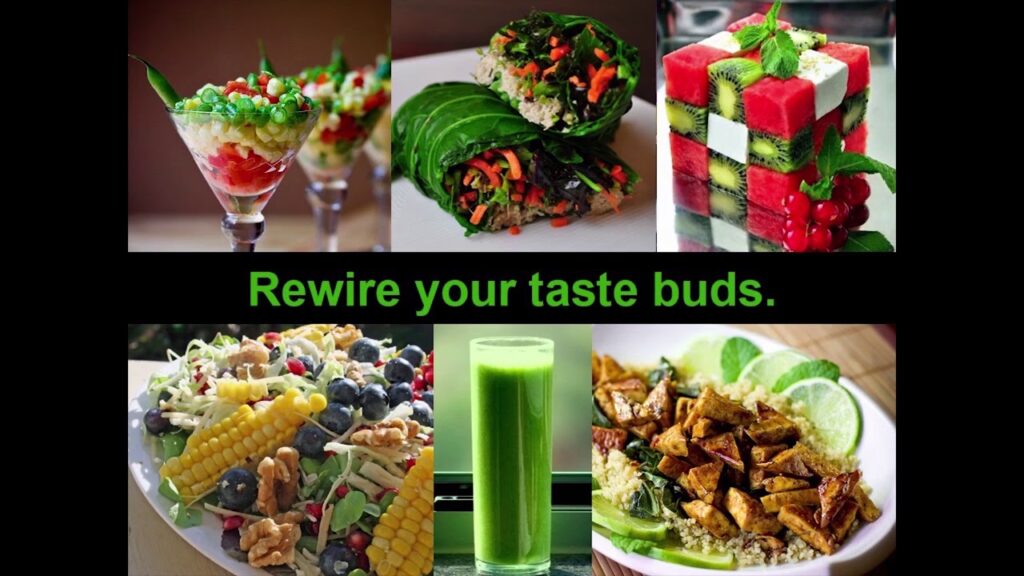
step 9 is to minimize harmful chemical residues in foods so what do we want to minimize agro chemicals the pesticides herbicides the plant growth regulators veterinary drugs like hormones and antibiotics and antimicrobial agents which are often used on imported fish for example like mela kite green environmental contaminants the heavy metals and the persistent organic pollutants the packaging materials like BPA the the products of food processing and cooking like the heterocyclic amines and polycyclic aromatic hydrocarbons and acrylamide and advanced glycation end products and the aldehydes like acrolein formed from cooking fat food additives and preserve like preservatives and colors and flavors and artificial sweeteners and all of that garbage what do they do to us well the damage done by these chemicals is unbelievable at cup number one oxidative stress but they fuel inflammation they disrupt hormones they act as obesity ins they they damage their their neurotoxic they damage the brain the nervous system they they damage the liver kidneys reproductive systems every body system is damaged by these compounds they increase our risk of every chronic disease that we know of so first of all agro chemicals how do we deal with them by choosing organic when we can by growing organic in our own gardens you know I like this the Environmental Working Group it puts out their dirty dozen clean 15 list every year and so for people that can’t necessarily afford everything organic it lists the foods that are sort of the least concentrated in pesticides and those that are the most concentrated the Dirty Dozen and people can avoid those specifically we want to use foods without excessive packaging use jars instead of cans or use bpa-free packing materials we’re environmental contaminants are concerned these chemicals move up the food chain and they are you know very concentrated in animal products like fish meat and dairy products so we need to eat lower on the food chain to reduce our intake of these compounds for people that eat fish they need to be very aware of the pollutants in fish the dioxins and the heavy metals and there are a lot of assistance for them there there are a lot of these kinds of forms online that explain where these products are really located so what about products of high temperature cooking like heterocyclic amines these are carcinogens they were listed as carcinogens and and the NIH or listed them as carcinogens in 2005 they are formed in meat poultry fish and eggs when they’re cooked at high temperature they are not formed in plants because you need either creatine or creatinine to form heterocyclic amines and plants don’t contain creatine or creatinine so people who are vegetarian don’t get any heterocyclic amines what about polycyclic aromatic hydrocarbons these compounds are known mutagens they’re linked to lung skin and genital urinary cancers they are formed when foods are blackened the black or the food and it doesn’t matter if it’s a plant food or not all foods form PAHs anything heated above 392 degrees Fahrenheit can form PAHs so grilled or charred meat poultry fish but they’re also formed in grains or anything else that we fry in oil like french fries advanced glycation end-products these are these literally impaired immune function they accelerate aging they contribute to the progression of all of the chronic degenerative diseases and damage to our organs an advanced glycation end-products the most concentrated sources are cooked processed meats so this is a broiled frankfurter at the top of the list then boiled frankfurter so processed meat and then grilled or fried meat but even fried tofu will contain these advanced glycation end-products snack foods like chips and cookies and so forth also contain them and fruits and veggies are very low in these compounds so finally acrylamide and acrylamide is something that is formed when high carbohydrate foods are heated above about 248 degrees Fahrenheit which isn’t a very high temperature so they form very easily even if you’re baking potatoes or especially with dry heat and they’re really highest amounts of acrylamide are in potatoes because potatoes are high in an amino acid called asparagine and that’s what you need to produce acrylamide is this higher levels of asparagine so you can see this the potatoes and then rye crisp breads and anything that’s cooked for a long time at a fairly high heat you will produce acrylamide in we want to use food preparation methods that minimize the production of these harmful compounds so wet cooking methods as opposed to dry cooking methods or frying and finally minimize food additives minimize processed foods to avoid all of the harmful chemicals that are used in these foods and finally step 10 maintain a healthy body weight we want to minimize liquid calories do not drink your calories they don’t register with your appetite control center drink water instead or drink green juices but no sugar sweetened beverages limit foods with any added fat sugar and salt or eliminate these foods completely you know there’s I like this book salt sugar and fat it explains how these foods are so addictive you know the human body is wired to like these flavors for our survival and so when we take the mode of foods and concentrate them we can’t stop eating it’s just the way we’re wired and so we have to avoid eating them avoid deep fried foods this is shocking you take one potato with about a hundred and sixty calories and turn it into french fries 521 calories and you’ve added 360 calories of pure fat yeah for one potato it’s shocking avoid the stuff portion control is so important and if you look at what we’ve done in to portion sizes this came from the CDC in the 1950s you know a soda with seven ounces now it’s 42 ounces a hamburger was three point nine ounces no it’s 12 french fries were two point four now they’re six point seven and of course as you increase serving sizes you increase the sizes of people right super-sized food you supersize people so don’t supersize your food except for salad you’re allowed to supersize salad and you need to rewire your taste buds completely and they can be completely rewired it takes probably 2030 days at the most to get your taste buds accustomed to real food and to enjoy it you know dr. Fuhrman talked yesterday about how people aren’t addicted to things like kale or broccoli and I almost said I don’t know about that because when I go away and I don’t have access to my greens I feel like I’m going into withdrawal I really do I so I I think we can we can change all of that so well and finally eat mindfully and gratefully be really conscious about where the food is coming from and be grateful for the food that you have and finally one last point is to be truly optimal the diet has got to be ecologically sustainable and ethically justifiable you know there is no one step that any human being Tate that would do more for the preservation of this planet than going vegan that’s my my firm belief some people suggest going back to our roots and eating a paleo diet to help protect the planet during the Paleolithic period the human population rose from a half a million people to about six million people today there are 7.5 billion people on this planet if we were all hunter gathers we would need 15 planet Earth’s to sustain the current population our population growth is not slowing down by 2050 it is estimated that we will have nine point three billion people on this planet the ultimate question has got to be how can we as human beings best adapt to our current environment to sustain ourselves and all life on this planet because we are on a trajectory that is not very appealing the United Nations environmental program expert panel concluded that two activities have a disproportionately large effect on this planet’s life-support system number one was animal agriculture especially livestock and dairy and number two was the use of fossil fuels and their recommendation a global shift to a plant-based diet I believe they might have even used the word vegan the FAO of the United Nations in 2013 said the livestock sector sector is responsible for 14.5 percent of all human caused GHG admissions cattle 65 percent of this this is more than all forms of transportation mind it’s shocking the award-winning environmental study of 2008 by Webern Matthews from Carnegie Mellon University found that eating a hundred percent plant-based or vegan diet just one day a week reduces greenhouse gas emissions more than eating local seven days a week 24 hours a day so for people that are on the local bandwagon we need to eat Lok local but it’s even more important that we eat plant-based and finally we need our diet in my view needs to be ethically justifiable animal life we most of us like to imagine animals on farms this way a hundred years ago 40 percent of the population lived on farms today it’s 1.9 percent and we’ve got a lot more people how are we feeding those people well we need a reality check because we are slaughtering on this planet Earth seventy billion animals a year there are seven and a half billion people on this planet and we kill 70 billion sentient animals every year for food ninety to ninety-five percent of these animals are being raised in concentrating concentrated animal feeding operations otherwise known as factory farms and we have a choice it makes very little sense to funnel wholesome plant foods through animals in an overpopulated world when we consider our food choices not just for ourselves but beyond ourselves a plant-based diet simply makes sense becoming vegan what it’s all about is it is about widening our circles of compassion it is about reef using to contribute to the pain suffering and death of 70 billion animals a year not including the animals from the sea when it is absolutely unnecessary not only is it unnecessary it’s destroying us and it’s destroying the planet it is absolutely insane what we are doing it makes zero sense and I believe that the fate of this planet rests in human heads our food choices matter they matter not just for us not just for our neighbors not just for the animals they matter for all life on this planet and I want to leave you with a quote by dr. Albert Schweitzer who I think we all know and admire the time is coming when people will be amazed that the human race existed so long before it recognized that thoughtless injury to life is incompatible with real ethics ethics in its unqualified form is extended responsibility to everything that has life thank you dr. Schweitzer and I will close with that and thank you very much for your attention and again everything I covered is in the books which I would be very happy to sign for you