Good Or Bad – Quinoa, Millet, Amaranth, Buckwheat, Teff, Wild Rice, Wheat, Barley, Oats. Here are the latest scientific findings on proven benefits to your Health from a Whole-Plant-Based Diet
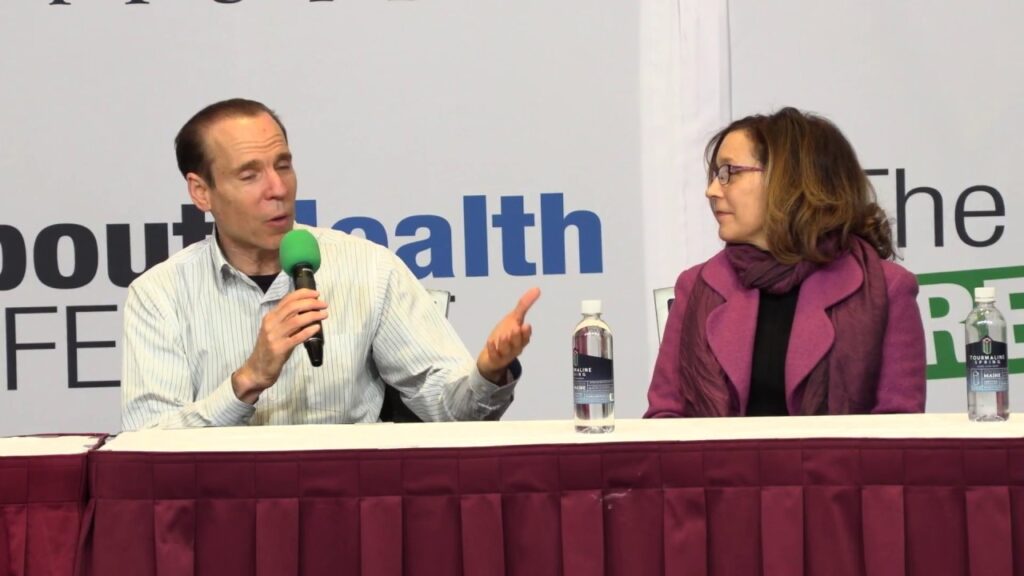
Panel Participants: Brian Clement, Ph.D., L.N., Anna Maria Clement, Ph.D., L.N., Ph.D., L.N., Joel Fuhrman, M.D., Brenda Davis, R.D.
Connect with The Real Truth About Health
http://www.therealtruthabouthealth.com/
Passionate believers in whole food plant based diets, no chemicals, minimal pharmaceutical drugs, no GMO’s. Fighting to stop climate change and extinction.
dr. Fuhrman during your lecture today he used the term G bombs and to mention greens beans onions mushrooms I thought it was a curse word
the one question I guess is in terms of whole grains and let’s break them into two groups let’s say quinoa millet amaranth buckwheat wild rice and Teth all grains that I believe don’t have gluten and then another category let’s call glutinous grains that wheat barley and oats
um why in your G bombs are you not mentioning those non glutinous whole grains wouldn’t they also like beans be part of a healthy diet and then what about grains such as wheat barley and oats
my point of the G bombs which I’m glad you’re asking the question so I have a chance to clarify I’m not saying your diet should only consist of G bombs I’m using the acronym G bombs sooo you remember the foods that have the most association with prevention of cancer in a scientific literature and I want you remember to eat them regularly
that’s not saying you don’t need other foods that are added or not G bombs you could eat all those grains especially the ones you mentioned in the first group and grains are best eaten because uh seeds are in G bombs nuts are named G bomb but I advocate nuts especially walnuts the pistachio nuts and a lot of foods that I eat all the time that are not in green bums
fruits and is not in G bombs it’s not any bumps it’s me don’t have a kid eating it it’s just I want people to particularly focus on making sure they get even a little bit of mushrooms and a little bit of scallion a little bit of onion and a little bit of you know between cruciferous vegetable and a little bit of flaxseed or cheese that I want to make sure they include these things in their diet that’s what the purpose that is
okay but when you eat your grains I want your greens to be in the intact form not ground into a flour because even when you take a healthy grain and you grind it into a flour or pastry flour it’s going to increase its quite SEMA glowed so sprouted intent active is good and sprouted is probably even better
but the point is is that it’s not that I’m against grains but I want them to be not the major source of calories in the diet so you can maybe have a room in your diet to include these foods you’re supposed to be eating so I don’t want a grain based diet when a vegetable based diet number two the grains that you do eat you want them to choose the healthiest choice as possible
could use nobody couldn’t continue on it to add and I’ve created this thing for those of you that were at my lecture today called the whole grain hierarchy and so we know refined grains you want to get out
whole grains you have to realize that there is various levels of processing of whole grains and so the whole grains that are the most healthful is as they’re picked off the plant nothing added nothing taken away and they’re eaten that way and the very best would be sprouting them
because when you sprout them you reduce anti-nutrients you you release stored forms of nutrients you massively increase the phytochemical protective army of lovelies yeah exactly and so you’re doing a lot a lot a lot of wonderful things
but when you eat those grains intact you can eat you know as chemic berry salad or a quinoa you know salad or something like that whereas when you turn them into flour you don’t need a bowl of flour you add you’re going to be adding fat and sugar and salt and all of these things to make that flour into whatever baked product or exactly all of those things
and so and so ideally you want to be sticking predominantly to intact grains and and most people most of the grains they eat are wheat and so you want to mix up your grains and just like every food category you get different benefits from different types of grains
and some people maybe 10% of the population don’t don’t do well with gluten containing grains and so that you know the first category of grains works better for those people I personally do eat some gluten containing grains I love camel I sprout it I I love having using barley for example in our Marshall Islands population because it has the lowest glycemic index by far of any grain and so it works well for people with diabetes if it’s if it’s intact
so so those are the kinds of issues that I would consider and certainly whole grains are not as nutrient dense as beans and greens and these other food so the way that I explain it to people is you use grains they’re not necessary in the human diet there’s no nutrient from grains that you couldn’t get from elsewhere but they are a reasonable food to vary according to your energy needs
so if you’re a senior woman who doesn’t need a lot of calories you eat your beans and greens and vegetables and fruits and nuts and seeds and whatever extra calories you need you could throw in a few grains for a triathlete who is burning 5,000 calories a day they can afford more grains so I that’s sort of the way that I would suggest doing doing it is is based on your energy needs