Don’t Beans Contain Harmful Lectins? Aren’t Lectins Dangerous? Beans Compared To Meat by Brenda Davis, R.D.
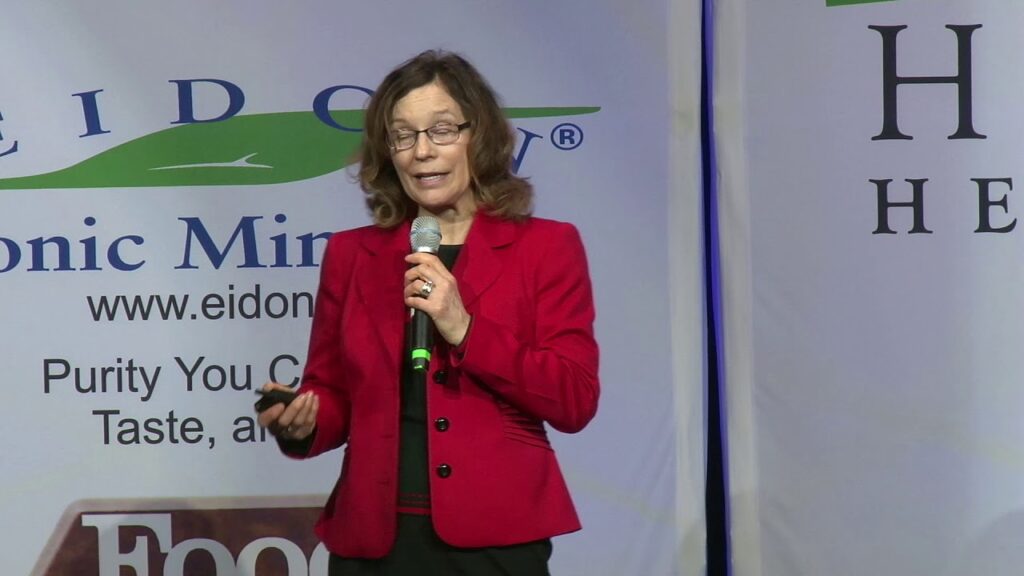
Brenda Davis offers fresh insights on the treatment of animals in food production and other industries, the latest findings on the health benefits of a vegan diet and expanded the information on phytochemicals, Brenda’s information is extensive in scope, yet manageable for anyone who wants to easily understand how to construct a nutritionally balanced plant-based diet.
Here are the latest findings on: using plant foods to protect against cancer, heart disease, and other chronic illnesses; obtaining essential protein without meat, eggs, or dairy products; discovering “good” fats and where to find them; meeting dietary needs for calcium without dairy products; understanding the importance of vitamin B12; designing balanced vegan diets for infants, children, and seniors; and making the most of vegan pregnancy and breastfeeding.
This is a sound blueprint to follow for better health for yourself and the planet.
Connect with The Real Truth About Health
http://www.therealtruthabouthealth.com/
Passionate believers in whole food plant based diets, no chemicals, minimal pharmaceutical drugs, no GMO’s. Fighting to stop climate change and extinction.
and of course the question always comes up but don’t beans contain these harmful lectins and aren’t lectins dangerous and in fact it’s a really interesting story everything that the electrons are throughout the food supply even dairy products contain a fair number of lectins so it’s not just beans that contain lectins the other thing to know about lectins is there are a variety of lectins in the food supply so there are some that have actually been found to be anti carcinogenic and others that have found to be quite toxic and so not all lectins are really dangerous but it within the legume family the leggings that contain the less dangerous lectins are the smaller legumes like lentils and peas the legumes that contain the more dangerous lectins are the big beans like kidney beans especially and they contain a kind of lectin called hemagglutinin which which can be quite toxic so if you eat undercooked kidney beans you will get quite sick you’ll get like a food poisoning kind of deal where for four or five hours it’s coming out both ends and you’re in terrible pain so the key isn’t not to eat legumes the key is to pop the legumes because cooking destroys the locked ins so and not very many people eat undercooked beans beans you once they’re cooked you should be able to you know press them at the roof of your mouth with your tongue and they should be able to be broken that way to be thoroughly cooked and using an instant pot or some tool like that to cook them really well is not a bad plan but I don’t think we need to worry about lectins when we’re consuming a properly cooked beans and the other thing to say about beans or beans are most decisively linked to health benefits they’re one of the only foods that are common to all blue zones so if they were really toxic do you think they would be a staple in every single one of the world’s longest lived populations it wouldn’t even make sense if they were that lethal they’d be the shortest living people on the planet not the longest living people on the planet so I think that kind of disarms the lectin argument
so let’s compare let’s compare legumes to meat so leggings this keeps kind of okay legumes are the highest fiber foods meat has no fiber legumes are high and phytochemicals meat has no phytochemicals legumes are high in antioxidants meat contains minimal oxidants legumes are low in fat they’re lower and they’re low in saturated fat actually very low in fat most legumes are only about five percent fat so very low in fat very low in saturated fat so do you know what the highest fat Legum is well the peanut yes and we we yeah we usually think of the peanut as and not but it really is a legume and it is the next would be soybeans which are about 40 percent fat and then garbanzos so yeah and then garbanzo is at about 13% but most other legumes are at about five percent so very low of course meat is high in fat and high in saturated fat about thirty to sixty percent of the calories in meat depending on how lean it is come from fat and legumes are cholesterol free meat is high in cholesterol legumes contain a kind of iron called non heme iron which we’ll talk about later meat contains both non heme and heme iron about 40 percent of the iron in meat is in the heme form but it can serve as a pro-oxidant which is the exact opposite of an antioxidant
and you know what I want to tell you just so you understand this whole thing about antioxidants so you’ve heard about free right now free radicals are these these molecules with an unpaired electron and they come in and they try to steal an electron from another molecule in the body and when they steal that electron guess what happens to the other molecule it becomes a free radical and so it’s like these little thieves that are going and trying to find an electron to steal and it’s like a chain reaction of destruction in the body so just creating one free radical after the other doing damage to the body guess what an antioxidant does yeah it walks in and it says oh hi I see your free radical would you care to have an electron and the free radical says why yes thank you but it doesn’t turn into a free radical itself it stays stable and so that’s the beauty of antioxidants where’s Pro oxidants they create free radicals they do the exact opposite they cause oxidative stress and so heme iron can serve as one of these Pro oxidants
and then legumes are have no added hormones or antibiotics meat often has added hormones it has natural hormones but it has hormones added and antibiotics added legumes do not contain any of this molecule called neu5gc this is a sigh alloc acid that is actually quite pro-inflammatory and it’s found in meat so of course meat contains neu5gc legumes you can’t produce TMAO with the consumption of legumes but you certainly with assumption of so TMAO trimethylamine and oxide is something that comes from usually from carnitine but it can also be formed from choline you eat meat meat goes into your gut and either certain bacteria in the gut that convert that carnitine into TMA or trimethylamine then that gets shuttled to the liver where it gets turned into TMAO and that TMAO is highly inflammatory is highly atherogenic causing cardiovascular disease so and kidney disease it’s quite a problem now what’s really interesting about TMAO is if you’re vegan you don’t have the bacteria to make it you don’t have those nasty bacteria in your intestinal tract and what’s really interesting is there was a study done that actually fed vegans meat to see they would produce TMAO and they couldn’t because the bacteria weren’t in their intestinal tract or even if you give vegans a carnitine supplement they can’t turn the carnitine into TMAO
and then the legumes are low in chemical contaminants and the meat tends to be higher because chemical contaminants tend to move up the food chain especially persistent organic pollutants like dioxins and PCBs and then the other thing that I didn’t mention here is the endotoxins that are you know the outer cell membrane of gram-negative bacteria that as they dissolve or die these endotoxins can leak into the bloodstream and again they’re highly inflammatory in and there are lots especially in ground meat and processed meat not so much in legumes
and if we look at red meat and mortality we see a very consistent link in all of the all of the meta-analysis we have that meat increases risk of death but we also have similar meta analyses looking at meat and diabetes and this one you can see the processed meat two of the studies 51 percent increased risk and this was the highest vs. lowest intake I believe no pan was actually this was incredible in the pen study 2013 one serving of meat was I think it was three ounces or three and a half ounces but a serving of processed meat was one out unless it was a wiener it was an ounce and a half but it was one out and it was a half ounce of bacon that was one serving in fricken you know having a serving or whatever it was increased risk just dramatically so a half an ounce of bacon unbelievable and and so you can see very consistent link between meat and diabetes risks this is meat and heart disease risk you can see the the process meet in the dark red here in the assist in the light but but again consistently a higher risk this is unprocessed meat and cancer risk and in some studies it was a fairly low relationship but in a lot of studies we’re seeing especially with colorectal cancer and and bladder cancer we’re seeing quite a strong relationship between intake and and cancer this is processed meat in cancer very strong relationship in fact the link between processed meat and cancer is so strong that processed meat has been declared a group one human carcinogen and and you know when you think about it and red meat has been declared a group 2a air probable human carcinogen but a group one human carcinogen is the highest rating that the strongest evidence for cancer and and so this is cigarettes this is asbestos this is alcohol this is arsenic and processed meat has been put into that same category and maybe not as potent as some of those others but still a potent carcinogen and here we are have you ever come across a cancer fundraiser where they’re selling hotdogs to raise money for cancer it’s like selling cigarettes to raise money for for cancer and we need to be really clear that this is not acceptable and and we need to get that when we’re feeding this stuff to our children these are carcinogens so some just to be really aware of