

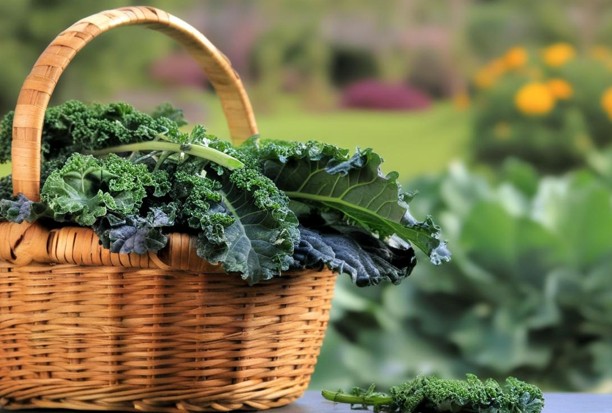
Kale is one of my great culinary loves. I’ll never forget the evening I arrived at a friend’s home for dinner and was greeted by a garden that looked like something plucked from the pages of a botanical fairy tale. Towering kale plants stood in regal rows, their emerald leaves unfurling like silk fans in the late afternoon light. I was entranced-surely this was a prelude to a feast celebrating this majestic green. My anticipation grew with every step toward the table. But when the meal was finally served… not a single kale leaf was in sight. My heart sank. All I could think about was sneaking back into the garden and filling my plate. That night, I dreamed of those lush, leafy giants-the kale that never was, but still lives vividly in my memory.
There was a time when kale was dismissed as a mere garnish, but this is no longer the case. Kale has made a triumphant comeback in kitchens worldwide. This nutrient-packed, leafy green went from buffet decoration to superfood sensation almost overnight-and for good reason. Kale is not only versatile and vibrant but also steeped in history and cultural flavor. Whether you’re a kale newbie or a longtime fan, there’s never been a better time to get reacquainted with this hardy green.

Kale Varieties
While there are dozens of cultivated varieties of kale grown around the world, most fall into five primary categories distinguished by leaf shape, color, texture, and growth habit. From these broad types emerge over 50 named cultivars, with new hybrids-like Kalettes-continuing to expand the kale family. Seed catalogs and heirloom collections frequently showcase 20 to 30 distinct cultivars each season, especially in regions that embrace cool-season gardening traditions. The five primary kale categories are:
1. Curly Kale (Scots Kale)
- Ruffled, frilly leaves; classic supermarket variety
- Examples: ‘Winterbor’, ‘Dwarf Blue Curled’, ‘Darkibor’

2. Lacinato Kale (Dinosaur or Tuscan Kale)
- Long, narrow, deeply wrinkled leaves; dark blue-green color
- Examples: ‘Nero di Toscana’, ‘Black Magic’, ‘Lacinato Rainbow’

3. Red Russian Kale
- Flat, fringed leaves with purple veins and stems
- Tender and mildly sweet; great for raw preparations
- Examples: ‘Ragged Jack’, ‘Red Ursa’

4. Siberian Kale
- Very cold-hardy with large, tender, wavy leaves
- Pale green color and mild flavor
- Examples: ‘Improved Dwarf Siberian’, ‘True Siberian’

5. Ornamental or Salad Kales (aka Flowering Kale)
- Grown more for appearance than flavor, though still edible
- Colorful, frilled leaves (pink, purple, white)
- Examples: ‘Nagoya’, ‘Chidori’, ‘Peacock Series’

You might have come across tiny little heads of kale called “Kalettes”. They are a relatively new vegetable that’s a natural (non-GMO) cross between kale and Brussels sprouts. Developed through traditional plant breeding in the UK, Kalettes combine the best of both worlds: the nutty flavor of Brussels sprouts and the earthy green richness of kale. Kalettes look like small, open, frilly rosettes with purple-green leaves-imagine tiny, flowering kale heads sprouting from a Brussels sprout stalk. They are milder and sweeter than kale, with a tender texture and subtle nuttiness. Like their parent vegetables, Kalettes are rich in vitamins C and K, fiber, and phytochemicals like glucosinolates. They’re delicious roasted, sautéed, or even raw in salads.
Fun Fact: Kale is a cold-weather crop and can actually taste sweeter after a frost!

Kale Nutrition
Kale is a nutritional powerhouse that delivers big benefits with every bite-and a modest calorie count. Two cups of thinly sliced raw kale (approximately 1.4 oz or 41 grams) provide:
- Calories: Only 18 calories
- Fiber: 1.7 grams
- Protein: 1.2 grams
- Calcium: 104 mg
- Potassium: 143 mg
- Iron: 0.7 mg
- Magnesium: 14 mg
- Folate: 26 mcg
- Vitamin C: 38 mg
- Vitamin A: 50 RAE
- Vitamin K: 160 mcg

Kale also contains small but meaningful amounts of B vitamins, phosphorus, and zinc.
Kale is rich in a number of phytonutrients, including glucosinolates, which are sulfur-containing compounds associated with detoxification pathways and potential cancer-protective effects. When chopped or chewed, these compounds convert into biologically active isothiocyanates (e.g.. sulforaphane). Kale also contains powerful carotenoids-lutein and zeaxanthin which are known to support eye health and may help prevent age-related macular degeneration. Additionally, kale contains flavonoids such as quercetin and kaempferol, which have antioxidant and anti-inflammatory properties that support cardiovascular and metabolic health.
Kale Around the World
Kale isn’t just a modern-day trend-it’s a global staple in many countries:
- Scotland: Kale was once so essential to the Scottish diet that the word “kail” became a synonym for dinner.
- Kenya: Sukuma wiki (a Swahili phrase meaning “stretch the week”) is a beloved dish made with braised kale or collard greens.
- Germany: In northern Germany, Grünkohl is traditionally served with sausage and potatoes during winter festivals.
- Japan: Kale juice is popular for its health benefits and is sometimes blended into fruit smoothies.
How to Incorporate More Kale into Your Diet
If you’re looking to add more kale to your menu, here are some easy ways to enjoy it every day:
- Smoothies: Blend a handful of kale with banana, berries, and unsweetened plant milk.
- Soups, Stews, and Casseroles: Toss chopped kale into lentil soup, minestrone, or bean stew.
- Dinner Bowls: Add kale to steamed or stir-fried veggies in dinner bowls.
- Salads: Massage raw kale with lemon juice and avocado to tenderize and mellow its flavor.
- Stir-Fries: Add kale at the end of cooking to retain its texture and nutrients.
- Wraps and Sandwiches: Use thinly sliced and dressed kale inside wraps, or use lightly steamed kale leaves as a crunchy, nutrient-rich alternative for wraps.

Smart Shopping and Storage Tips
To get the most out of your kale and reduce food waste, consider these tips when buying and storing:
- Buying Tips:
- Choose bunches with firm, deeply colored leaves and moist, crisp stems.
- Avoid kale with yellowing, wilting, or dry edges.
- Pre-washed and chopped kale in bags or clamshells offers convenience and is often more economical-check for freshness and use-by dates.
- Storing Kale:
- Store unwashed kale in the refrigerator crisper drawer in a breathable produce bag, or wrap it in a paper towel inside a plastic bag. Alternatively, place the bunch stems down in a large jar of water and set it on the counter; remove the kale as needed.
- If your kale starts to wilt, revive it by soaking it in ice water for 15-30 minutes before use.
- Freeze kale for use in smoothies, soups, and stews: wash, remove stems, dry thoroughly, and freeze in portions for smoothies or soups.
- Using the Stems:
- Don’t toss the stems! Dice and sauté them, add them to broths or blend them into pesto or smoothies for added fiber and flavor.

Recipes
Tomato Lentil Kale Soup
This hearty, rustic soup is a warming, one-pot meal loaded with protein-rich lentils, whole-grain brown rice, and nutrient-dense kale. It’s budget-friendly, oil-free, and easy to make.
Ingredients:
-
-
- 1 medium onion, chopped
-
-
- 4 cloves garlic, chopped fine
-
- 2 medium-sized carrots, chopped
-
- 1 cup uncooked, rinsed brown/green lentils
-
- ½ cup brown rice, uncooked, rinsed
-
- 28 oz can diced tomatoes
-
- 14 oz can or jar tomato sauce
-
- 6 cups vegetable broth
-
- 4 cups chopped kale
-
- 1 tablespoon Italian seasoning
-
- Pinch of cayenne if you like a little spice
-
- Salt and pepper to taste

Instructions:
- Place onion, garlic, carrots, lentils, rice, and vegetable broth in a soup pot. Bring to a boil, then reduce heat and cook for 45 minutes, or until rice and lentils are tender.
- Add diced tomatoes, tomato sauce, salt (if needed), pepper, Italian seasoning, and cayenne (if using). Cook for an additional 10 minutes to heat through. Add kale and cook 2-3 minutes just until it wilts. Serve hot.
Sweet and Tangy Kale Apple Salad
This bright, flavorful salad pairs sweet apples with kale’s earthiness, accented by a zesty balsamic-orange dressing. Rich in vitamin C, vitamin K, and phytonutrients, it’s as nourishing as it is refreshing.
Instructions:
- 4 cups thinly sliced kale
- . 1 apple, thinly sliced
- 1/4 cup dried cranberries or raisins
- 2 tablespoons sunflower seeds or pumpkin seeds
- 3 tablespoons balsamic vinegar
- 1 tablespoon tahini
- 2 teaspoons Dijon mustard
- 2 tablespoons orange juice (fresh-squeezed is best)
- 1 teaspoon maple syrup
- Pinch of salt

Instructions:
- Whisk together balsamic vinegar, tahini, mustard, orange juice, maple syrup, and salt.
- Massage kale briefly, then toss with apples, dried fruit, seeds, and dressing.
- Let sit 10-15 minutes before serving.
Kale Walnut Pesto (Oil-Free)
A flavorful, nutrient-rich spread packed with omega-3s, vitamin K, and antioxidants. This pesto is a delicious way to boost your greens and pairs beautifully with pasta, toast, or roasted vegetables. You can replace walnuts with pumpkin seeds, pine nuts, hemp seeds, or almonds. You can also replace some or all of the water with olive oil for a more traditional pesto, if desired.
Ingredients:
- 2 cups kale, stems removed
- 1 cup fresh basil or parsley
- 1 cup raw walnuts
- 4 cloves garlic
- 4 tablespoons lemon juice
- 3-4 tablespoons water, as needed
- ¼ teaspoon salt, or to taste
- 2 tablespoons nutritional yeast

Instructions:
- Blend all ingredients in a food processor until well blended but not smooth (you still want some texture), adding water to reach the desired consistency.
- Slather on a sandwich, toss with pasta, add to soup, dot onto homemade pizza, toss it with roasted veggies, or add it to a Buddha bowl.


This article was originally written for So Many Cooks in the Kitchen. Brenda Davis, RD is a plant-based pioneer and author/co-author of 13 books on plantbased diets. She is co-Author of Nourish: the definitive plant-based nutrition guide for families, Becoming Vegan: Comprehensive and Express Editions and Kick Diabetes Essentials. www.brendadavisrd.com