
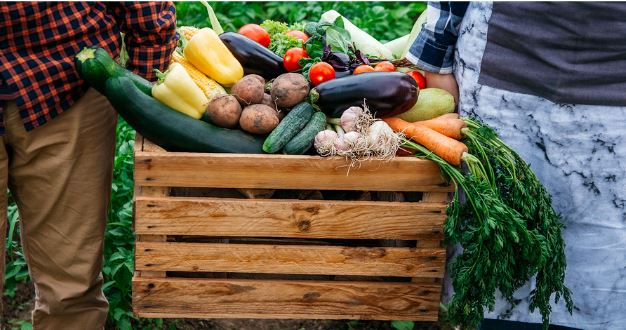
This article tackles the topic of shopping for food! I recently met a new friend who shared a story that stuck with me. When she first moved from India to North America and walked into a grocery store, she was so confused. She wasn’t sure what she was looking at – all of the boxes, cans, and bags that stood in front of her didn’t resemble food at all. She was not sure what they were or how to eat them. She said that shopping at home was so different – food was recognizable. You could smell it and feel it. You knew exactly what to do with it. It made me sad to think of how highly processed our food offerings have become in supermarkets. It also made me grateful that there are still places in the world where food is recognizable, including at our own farmer’s markets!
When it comes to shopping for food, there is a lot to think about. There are 2 main
objectives:
- To make the most conscious, ecologically sustainable choices possible.
- To find high-quality, nutritious foods at affordable prices.
Conscious, Ecologically Sustainable Grocery Shopping
Sometimes it might feel like an impossible task to be completely ethical and sustainable in our food choices. So, we settle for doing what we can, learning as we go, and trying to make the best choices with what we do know. Here are 6 steps you can take to inch closer to ethical, ecologically sustainable eating.- Eat lower on the food chain. Eating lower on the food chain means eating more plant-based meals. Plant foods leave a far softer carbon footprint than animal products. If you do include some animal products, make most of your meals plant-based, and use the smallest amount of animal-based items you can manage.
- Support sustainable practices. Choose products that align with more conscious food production. Look for items that are fair trade, certified organic, or sustainably sourced.
- Avoid or minimize single-use plastics. Bring your own shopping bags, produce bags, and containers to reduce plastic waste. Choose mostly products without packaging, or with minimal packaging.
- Choose local. Buying local means supporting farmers near you and reducing the transportation footprint of goods. It also generally means fresher, better-tasting food. Enjoy your local farmer’s markets or go directly to farms, if possible.
- Buy foods in season. Buying foods in season also generally means less shipping distance and a lower carbon footprint.
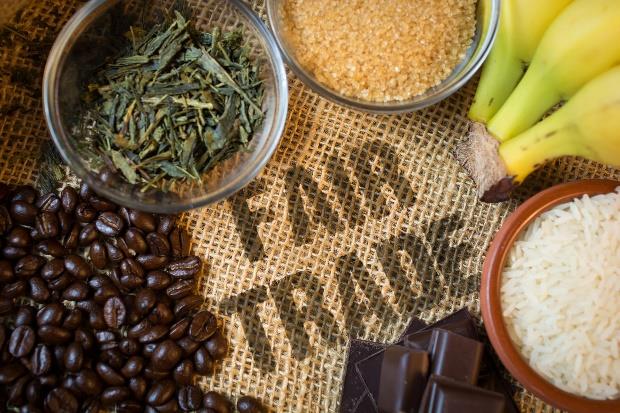
6. Be aware of egregious food production practices. While production practices surrounding animal products are especially problematic, there are several plant-based foods that have a dark side. Some of the worst offenders are bananas, chocolate, coffee, rice, and sugar.
Finding High-Quality Nutritious Foods at Affordable Prices
Grocery prices have skyrocketed and that has made providing healthy choices more challenging for families. Fortunately, there are many things that we can do to get the best nutrition bang for our buck! Here are my top 10 tips.- Make a shopping list. A shopping list is one tool that can lead to more healthful eating (see the example at the end of this appendix). There are plenty of other reasons to make a shopping list:
- It functions as a memory aid.
- It reduces impulse purchases.
- It helps us to structure meals.
- It saves time and money.
- It can help to reduce food waste.
- Plan your meals. Studies have shown that planning meals improves diet quality and food variety. Meal planning supports healthy weights and tends to save time and money.
- Buy in bulk. When you buy in bulk you usually pay less per ounce. If you have a freezer, buy nuts, seeds, and dried fruits in bulk. You can use a specialty shop and order 10 or more pounds of the nuts/seeds that you use regularly. Grains and legumes can also be purchased in bulk. I order from a local organic producer, and they provide free delivery. You can even buy produce by the case if you have a way of preserving it (e.g., freezing, drying, or canning). One word of caution – don’t buy more than what you know you can manage!
- Buy mostly whole foods. One of the best ways to reduce food costs is to purchase food that is unprocessed. It is far less expensive to purchase beans and grains than to purchase prepared veggie burgers, for example. It is also less expensive to buy whole fruits and vegetables than pre-cut ones.
- Reduce your food waste. In the United States, 40% of all food is wasted or thrown in the garbage. This is bad news for the environment and our pocketbooks. I would say our goal should be to waste less than 1% of our food. We can reduce food waste by planning meals, buying wisely, and storing foods properly. Know what is in your fridge and if it looks like a veggie might spoil before you use it, freeze it. For example, greens can be washed and frozen in zip-lock bags and then added to smoothies, soups, or stews. Use leftovers creatively. There is almost no leftover that cannot be used to make soup or stew.
- Compare prices. Before you go out shopping, compare prices using flyers or apps (there are several helpful apps to choose from). You can also compare prices on the grocery store shelf by looking at the price per unit – it helps to compare prices of items sold in different sizes. Store or generic brands are often less expensive than name brands.
- Grow some of your own food. While it is wonderful to have a big garden, even growing a few vegetables and herbs in containers, or growing sprouts on your counter will reduce your grocery bill and provide you with delicious and nutritious food. Of course, personal gardens also reduce greenhouse gas emissions, and pesticide and fertilizer use. It also provides a perfect opportunity to get closer to nature and teach your children how to grow foods, harvest foods, and enjoy a wide variety of delicious plants!
- Be selective about where you purchase food. Of course, getting food from farmer’s markets, food co-ops, or natural food stores are great options, but they are not always affordable or accessible. However, our grocery store choice is sometimes more about convenience than anything else. Try your best to frequent locally owned businesses, but regardless of where you shop, make the most ethical choices you can. Talk to your grocer about bringing in ethically sourced food. Specialty stores that feature international foods and the international sections of supermarkets and natural food stores are often good places to find unfamiliar ingredients, and in some cases, to get great prices.
- Subscribe to a harvest box service. If you have a harvest box or other local farm delivery service – sign on. You will be buying local, in-season, fresh, and nutritious food. It also provides an opportunity to try foods you may have never tried before.
- Be organized with food storage. Keep your storage spaces clean to prevent the growth of bacteria and mold.
- Refrigerator – Use the crisper drawer for fruits and vegetables. Store fruits and vegetables separately as the ethylene produced from apples, pears, and potatoes can accelerate the ripening of other fruits and vegetables. Move ripe avocados, peaches, pears, pineapple, and mango into the fridge to pause ripening. Keep leftovers in airtight containers (preferably glass).
- Pantry – Store dry goods like grains, pasta, beans, dried herbs, and spices in a cool, dry, dark pantry or cupboard. Keep them in airtight containers (preferably glass). Mason jars work well for grains and beans—label jars. Keep spices away from heat and light to preserve freshness. Store bread at room temperature (in a bag) or in the freezer. Potatoes, onions, and garlic are also best stored in a cool, dark place (not in the fridge).
- Freezer – Use airtight containers, freezer bags, or vacuum-sealed bags. Label and date items before adding them to the freezer. Nuts and seeds can be stored in labeled mason jars in the freezer section of the fridge. Keep your upright or deep freezer organized (you may even want to keep a running list of what is inside).
- Counter – Keep bananas, avocados, tomatoes, and squash at room temperature. Cucumbers and citrus fruits are also said to taste best when stored at room temperature.
The Shopping List
The shopping list below provides a summary of almost everything you might need as a whole food, plant-based cook. Customize it and include additional items of your own.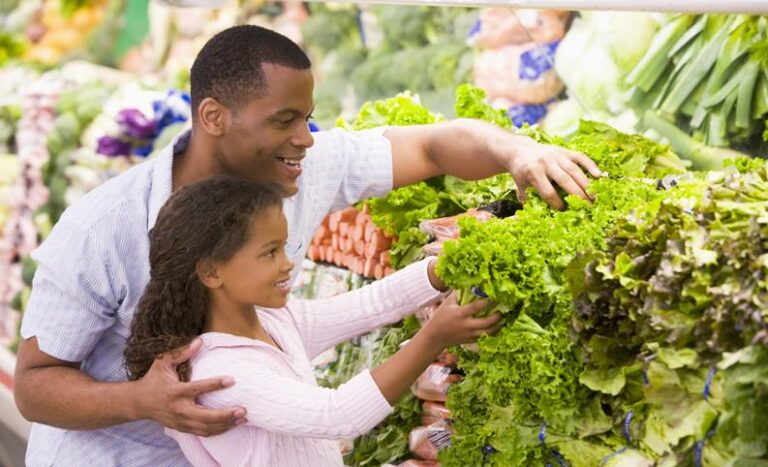
My Plant-based Shopping List
| Vegetables | |
|---|---|
| FRESH | |
| Asparagus | Jicama |
| Avocados | Mushrooms |
| Beets | Onions (white, red, green, leeks) |
| Bell peppers (all colors) | Parsley |
| Broccoli | Parsnips |
| Broccolini | Peas (green, snow, sugar snap) |
| Brussels sprouts | Potatoes |
| Cabbage (Chinese, green, red, or purple) | Pumpkin |
| Carrots | Radishes |
| Cauliflower | Rutabaga |
| Celery | Squash |
| Corn on the cob | Sweet potatoes |
| Cucumbers | Tomatoes |
| Green leafy vegetables (arugula, Bok choy, collards, kale, lettuce, mustard greens, turnip greens, spinach, Swiss chard) | Turnips |
| Kohlrabi | Yams |
| Jalapeno peppers | Zucchini |
| FROZEN | |
| Broccoli | Green beans |
| Brussels sprouts | Peas |
| Cauliflower | Spinach |
| Corn | Squash |
| CANNED/DRIED | |
| Artichoke hearts | Tomatoes (whole, diced, or crushed) |
| Hearts of palm | Tomato sauce and paste |
| Pumpkin | Sundried tomatoes |
| Fruits | |
|---|---|
| FRESH | |
| Apples | Kiwi |
| Apricots | Mangoes |
| Bananas | Melons (cantaloupe, honeydew, watermelon) |
| Berries (blueberries, blackberries, cranberries, raspberries, strawberries) | Papaya |
| Cherries | Peaches, nectarines |
| Grapefruits | Pears |
| Grapes | Pineapple |
| Lemons | Plums |
| Limes | Pomegranate |
| FROZEN | |
| Berries | Mangoes |
| Cherries | Pineapple |
| DRIED (unsweetened) | |
| Apricots | Currants |
| Cherries | Dates |
| Cranberries | Prunes |
| Coconut (dried, unsweetened) | Raisins |
| CANNED (unsweetened) | |
| Applesauce | Pears |
| Peaches | Pineapple |
| Legumes | |
|---|---|
| DRIED | |
| Adzuki beans | Lima beans |
| Black beans (and black turtle beans) | Mung beans |
| Black-eyed peas | Navy beans |
| Cannellini beans | Pink beans |
| Chickpeas | Pinto beans |
| Cranberry beans | Red beans |
| Great Northern beans | Scarlet Runner beans |
| Fava beans | Split peas (green, yellow) |
| Kidney beans | Soybeans |
| Lentils (black, green, brown, red) | White beans |
| FROZEN | |
| Edamame | Lima beans |
| Green chickpeas | |
| CANNED | |
| Black beans | Lentils |
| Cannellini beans | Kidney beans |
| Chickpeas | Mixed beans |
| Fava beans | Pinto beans |
| LEGUME PRODUCTS | |
| Hummus | Tempeh |
| Tofu | Roasted legumes |
| Grains and Grain Products | |
|---|---|
| WHOLE GRAINS (INCLUDING CUT, ROLLED AND GROUND) | |
| Amaranth | Oats (groats, steel-cut, rolled) |
| Barley | Popcorn kernels |
| Buckwheat | Quinoa |
| Bulgur | Rice (black, brown, red) |
| Cornmeal | Rye berries |
| Freekeh | Spelt berries |
| Kamut berries | Whole grain flours (wheat, Kamut, spelt, oat, rye) |
| Millet | Wild rice |
| GRAIN PRODUCTS | |
| Breads (whole grain) | Crackers (whole grain) |
| Cereals (whole grain) | Pasta (whole grain) |
| Nuts and Seeds | |
|---|---|
| WHOLE, CHOPPED OR GROUND | |
| Almonds | Macadamia nuts |
| Brazil nuts | Peanuts (although technically a legume) |
| Cashews | Pecans |
| Chia seeds | Pumpkin seeds |
| Flaxseeds (whole and ground) | Sesame seeds |
| Hazelnuts | Sunflower seeds |
| Hemp seeds | Walnuts |
| NUT AND SEED BUTTERS | |
| Almond butter | Peanut butter |
| Cashew butter | Tahini |
| Mixed nut butter | |
| Herbs and Spices | |
|---|---|
| FRESH | |
| Basil | Mint |
| Cilantro | Parsley |
| Dill | Rosemary |
| Garlic | Sage |
| Ginger | Thyme |
| DRIED | |
| Allspice | Mixed spices |
| Basil | Nutmeg |
| Bay leaves | Onion powder |
| Cardamom | Oregano |
| Cayenne | Paprika |
| Celery seed | Parsley, dried |
| Cinnamon | Pepper, black or white |
| Cloves | Poultry seasoning |
| Cumin | Pumpkin Pie spice |
| Curry powder | Red pepper flakes |
| Dill | Rosemary |
| Gara Masala | Salt |
| Garlic (powder, granules) | Sage |
| Ginger, ground | Savory |
| Marjoram | Tarragon |
| Mint, dried | Thyme |
| Mustard, dry | Turmeric |
| Miscellaneous | |
| Arrowroot starch | Miso |
| Baking powder | Mustard (Dijon, stone-ground) |
| Baking soda | Nutritional yeast |
| Bragg Liquid Aminos | Nondairy milk (almond, cashew, oat, soy) |
| Cornstarch | Olives |
| Curry paste | Red peppers (roasted) |
| Hot sauce | Tamari |
| Horseradish | Vinegar (apple cider, balsamic, rice, wine) |
| Maple syrup | Vegetable broth |
| Molasses | Yogurts (almond, coconut, oat, soy) |
This article was written for a PCRM Food for Life Instructors group called So Many Cooks in the Kitchen. This group meets online to provide amazing cooking and nutrition demonstrations that are free to share globally. For wonderful whole food, plant-based cooking shows, tune in to their monthly broadcasts. https://somanycooks.com/about/


Brenda Davis, RD is a plant-based pioneer and author/co-author of 13 books on plant-based diets. She is co-Author of Plant-Powered Protein, Nourish: the definitive plant-based nutrition guide for families, Becoming Vegan: Comprehensive and Express Editions and Kick Diabetes Essentials.www.brendadavisrd.com