
To snack or not to snack, that is the question. Snacking is a surprisingly divisive nutrition topic. Some believe that snacks are a necessary part of a healthy diet. Others think that they are unnecessary and even harmful. The truth is that snacks can be either helpful or harmful, depending on the snacks you choose. The value of snacks also depends on your energy needs and your health status.
What are Snacks?
Snacks are foods or drinks consumed between meals. Although the term “snack foods” is often used to describe highly processed foods like potato chips, healthy foods such as apples or broccoli also qualify as “snacks”.
Why do People Snack?
People snack for many reasons, but most often it is because they are hungry, need an energy boost, or because food is available and appetizing. Sometimes people snack in response to emotions – either positive or negative. Although hunger may seem the obvious motivation for snacking, simply thinking about a favorite food, or seeing that food around, is enough reason to indulge. Many people snack when they are not hungry simply because food is offered or sitting right in front of them. It can be hard to resist dipping into the candy bowl at work or trying a home-baked cookie brought in by a co-worker.
What do Americans Snack On?
According to Harvard’s Nutrition Source, the most common snacks are fruit, cookies, chips, ice cream, candy, popcorn, soft drinks, crackers, cake, milk, nuts and seeds, tea, and yogurt. While there are a few good choices in this list – especially fruit, nuts, and seeds, most are less stellar. Not surprisingly, 80% of food marketing dollars are spent on highly processed fast foods, sugary drinks, candy, and other unhealthy snack choices.
What are the Pros and Cons of Snacking? Research has not provided a solid answer regarding the value of snacks. However, there are known pros and cons. Let’s consider some of these.
Pros
Snacks can:
- Help to meet nutritional needs by providing calories, macronutrients, and micronutrients. This is especially important for people who cannot eat enough at meals.
- Provide disease-fighting food components such as fiber, phytochemicals, and antioxidants.
- Control hunger and reduce the chances of overeating at meals.
- Provide an energy boost, especially for those who have noticeable drops in blood sugar.
Cons
Snacks can:
- Add too many calories, contributing to excess body fat and increased risk of chronic diseases such as heart disease and type 2 diabetes.
- Diminish appetite at meals which often are more nutrient-dense than snacks
- Increase exposure to harmful dietary components such as saturated fat, added sugars, salt, pro-oxidants, and chemical contaminants
- Increase preference for highly processed foods leading to a drop in diet quality.
Who Needs Snacks?
Does anybody really need to snack? Are some people better off avoiding snacks completely? The answers are yes and yes.
Some people need to snack to ensure they meet their calorie and nutrient needs. For example, young children have small stomachs and may not be able to eat enough at meals. They generally get hungry about 2-3 hours after eating. So, for little ones, snacks are important. Snacks can also help athletes and other individuals who require a lot of calories meet their needs. People who are ill or who have poor appetites may also need snacks.
Other folks are better off minimizing or avoiding snacks. Those who carry excess weight and are at risk for, or already have, a diet-related chronic disease don’t generally need the extra calories provided by snacks. People who struggle with binge-eating disorder may also be triggered by snacks and may do better by sticking to regular meals.
What Makes a Healthy Snack?
Snacks are often viewed negatively because they are commonly unhealthy foods. Fortunately, they don’t have to be. Snacks can be super healthy choices. If snacks work well for you or other family members, go ahead, and enjoy. Here are some simple guidelines to ensure that you get the most from your snacks.- Listen to your body. Enjoy a snack if you are hungry. If you are being drawn by emotions, teach yourself how to eat mindfully, and use strategies to divert your attention away from food. Do a set of weights, go for a walk, sweep the floors, or call a friend.
- If you find that you do better with one or two snacks a day, plan snacks into your daily routine. Put your food on a plate (or in a bowl) and make your snack look appealing. Sit down and enjoy your food.
- Select your snacks carefully. Think about what foods are commonly lacking in your diet and make those foods your go-to snacks. If you forget to include fruit with meals, be sure to feature it in your snacks.
- Stick to nutritious whole foods – fruits, vegetables, whole grains, legumes, nuts, or seeds. Including foods from 2-3 food groups is a good idea. So, for example, if having a piece of fruit, crack a few walnuts to eat along with it. So Many Cooks in the Kitchen provides you with a wide variety of amazing options!
- Make your snack satisfying but not excessive. It should not interfere with your next meal. Most snacks will provide about 100-250 calories. To make your snack more filling, be sure it is high in fiber, and provides a good mix of macronutrients. For example, to add protein and healthy fats to your apple slices, spread on a little nut butter.
- Let your palate guide you. Do you feel like something crunchy, savory, sweet or creamy? There are healthy options in each category. For example, raw veggies, apples, nuts, seeds, or whole grain crackers can help satisfy a craving for crunch. Roasted chickpeas, seasoned tofu, or some seasoned seaweed are great savory options. If you want something sweet, pick fruit or a healthy baked treat like a pumpkin muffin. A couple of figs, dried prunes or a date stuffed with a Brazil nut or almond might also do the trick. If you want something creamy, go for chia pudding, frozen banana “ice cream” or nondairy yogurt and cooked berries.
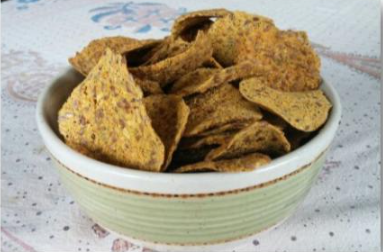
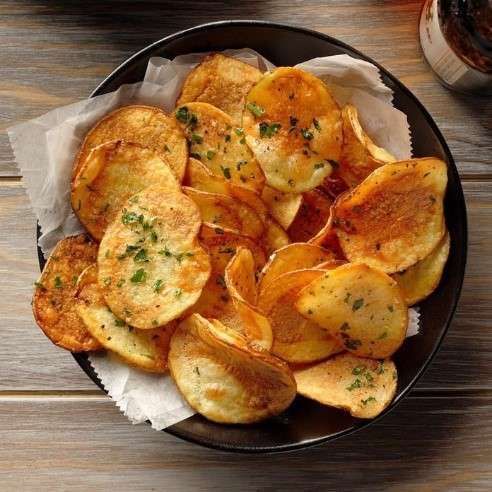
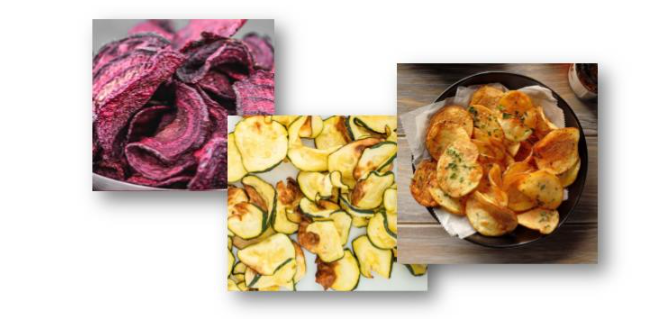
- If you love chips and other crunchy processed snacks, start making your own using an air fryer or dehydrator. Dehydrate kale or falafel chips (see recipe below) or make crispy zucchini, beet, or potato crisps in the air fryer.
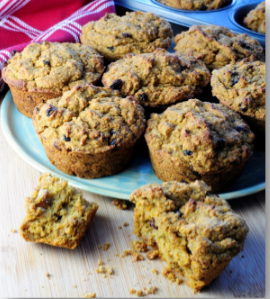
Hearty Carrot Muffins
Makes 12 small muffins
These are not your traditional cake-like muffins. They are free of added sugars and oils, so they are not as sweet or rich. However, they are dense, hearty, and delicious. They are best fresh from the oven, but they are also great cold, with a little nut or seed butter, and sliced banana. Feel free to increase the dates to three-quarters or 1 cup if you prefer a sweeter muffin
Dry Ingredients:
2 cups rolled oats ¼ cup ground flaxseed 1½ teaspoons baking powder ½ teaspoon baking soda 2 tsp cinnamon ½ teaspoon ginger ½ teaspoon salt ¼ teaspoon cloves ¼ teaspoon nutmegWet Ingredients:
1½ cups non-dairy milk ¼ cup hempseeds 1 apple, cored and diced 2 medium-sized carrots (about 7-8 inches) ½ cup dates, packed 1 tablespoon apple cider vinegar 1 teaspoon vanillaOther ingredients:
- ½ cup raisins
- ½ cup coarsely chopped walnuts
Blend Dry Ingredients
Place oats, flaxseed, baking powder, baking soda, cinnamon, ginger, salt, and cloves in a blender and blend until it has a very coarse flour consistency. Pour this mixture into a large bowl.
Blend Liquid Ingredients
Place milk and hempseeds in the blender and blend until creamy. Add apple, carrots, dates, apple cider vinegar and vanilla. Pulse until ingredients are blended to a course texture (not absolutely smooth).
Preheat oven to 375 degrees F (190 degrees C). Pour wet ingredients into dry ingredients and stir just until mixed. Fold in raisins and walnuts. Spoon the batter into sprayed muffin cups. Bake for about 25 minutes or until a toothpick comes out clean. Remove muffins from the cups using a table knife and place them on a cooling rack. Serve warm or cold.
Falafel Chips (using a dehydrator)
These delicious “chips” are loaded with antioxidant-rich ingredients and are dehydrated not deep fried. They serve to protect us against the ravages of oxidative stress, while commercial “chips” fuel them.
1/2 cup water
15 oz can diced tomatoes, not drained
2 carrots
2 onions, chopped
3 cloves garlic
3 cups cooked chickpeas
1/2 teaspoon onion powder
1/4 teaspoon of each: cayenne, coriander, turmeric, cumin, chili powder,
rosemary (or seasonings of your choice)
1 cup flaxseeds soaked in 2 cups water overnight or a few hours
Directions
- Put the water, canned tomatoes, carrots, onions, garlic, chickpeas, onion powder, and seasonings in a blender or food processor. Blend till smooth. Put in bowl.
- Add soaked flaxseed to bowl and mix well. Mixture should be like pancake batter….not too thick, but not too runny. It should slide off the spoon easily.
- Put Teflex sheets or parchment paper on top of dehydrator tray. Spoon mixture onto the sheets with a teaspoon (tablespoon if you want bigger chips). Sprinkle a little more of the spices over the top, if desired.
- Dry in dehydrator at 125-135 F about 10-12 hours on one side. Flip them over. Remove the Teflon/parchment paper and continue drying about another 6 hours or until crispy. Let cool and store in a tin or airtight container. To keep very crispy, store in the freezer, and serve right from the freezer.
Variation
If you don’t care about having pretty chips, you can simply spread the batter on the sheets. You can score the chips (making squares or triangles) when they are still moist but not wet (usually just before flipping) or you can simply break them apart when they are dry.