

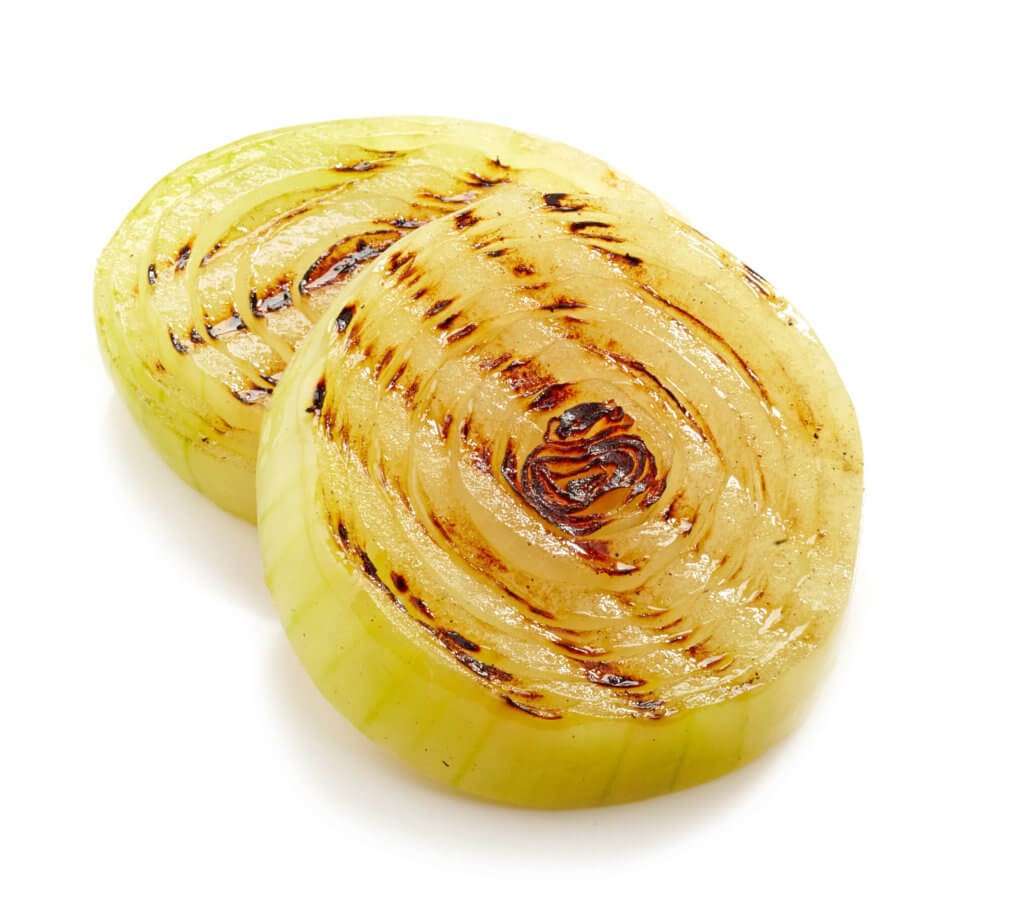
Onions are a member of the allium family, which includes onions, scallions (green onions), shallots, leeks, chives, and garlic. Onions are one of the most common food staples in households throughout the world. This is at least partly because they last a long time after they’re harvested. When stored in a cool, dry place, onions can last for months. They are used to provide a foundation of flavor to every dish imaginable – from soups, to stews, stir fries, casseroles, and everything in-between. Onions are usually used in the earliest stages of recipe preparation so the flavors mingle with the entire dish. Today’s So Many Cooks in the Kitchen episode will walk you through some of the wonders of onions and provide you with delicious recipes that feature onions in a big way!
Onions come in a variety of colors, shapes, and sizes. The most common are yellow onions which make up about 87% of the US onion crop. These are all-purpose onions that are pungent, but not too strong, which makes them super versatile for cooking. Spanish onions, a larger yellow onion, are milder, which makes them more appealing for raw applications. When cooked, yellow onions become milder and sweeter in taste. Yellow onions are the best for storing long-term. White onions, which account for only about 5% of the US onion crop don’t store quite as well as yellow onions. However, they are milder and sweeter in flavor, and are often used raw. Red or purple onions make up the other 8% of the onion crop. They are the most pungent or spicy onions, although they mellow when cooked. Red onions are often used in salads and sandwiches because of their gorgeous color. Other members of the onion family, include pearl onions, shallots, scallions, and leeks. Pearl onions look a lot like miniature regular onions, and come in yellow, white, or red, just like big onions. They are milder and sweeter than large onions. Shallots are often egg-like in shape, and the most common variety in the US has an orangey skin with a light purple flesh. They are milder than red onions, but more spicy than yellow. Scallions or green onions are long thin onions with a white bottom and green upper
end. They are very mild, juicy, and crunchy and used in all sorts of dishes, including raw salads, wraps, and rolls. Leeks look like scallions on steroids. However, they are a completely different plant. The white onion portion is very mild. Leeks are quite fibrous so are not usually eaten raw. They are amazing in soups and stews. While most yellow, white, and red onions are the size of baseballs or softballs, the biggest onion ever grown weighed in at over 18 pounds!
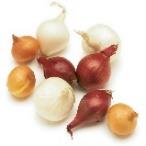
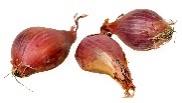
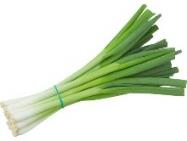
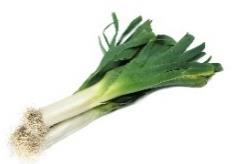
Nutritional Attributes
Onions are low in calories but high in nutrients. That means they are a nutrient-dense food. A medium-sized onion has about 50 calories. Onions are high in vitamin C, B vitamins, especially folate and vitamin B6, and potassium. A medium onion has close to 3 grams of fiber. Generally, the more colorful varieties, such as reds and purples, provide the most impressive antioxidant profiles. Onions are rich in flavonoids which are potent antioxidants. Red onions get their color from a type of flavonoid called anthocyanins. Anthocyanins are found in many red, purple, and blue fruits and veggies and they help to reduce inflammation and oxidative stress. Onions are also our primary sources of organosulfur compounds, which have anti-inflammatory,antioxidant, antiviral, antifungal, and antibacterial properties. When you chop allium vegetables, an enzyme called alliinase is released helping to convert alliin to the more biologically active organosulfur compound, allicin. Chopping an onion, then letting it sit prior to cooking helps to increase the allicin content. Quercetin, another highly regarded antioxidant, is higher in onions than any other vegetables! In addition to the host of phytochemicals offered by onions, they are great sources of prebiotics, especially inulin and fructooligosaccharides. These compounds promote a healthy microbiome, and they can benefit your immune system. Have you ever wondered why onions make you cry when you cut them? It is nature’s way of keeping predators away! Onions contain a chemical irritant called syn-Propanethial-SYellow Onions White Onions Red Onions Pearl Onions Shallots Scallions Leeks oxide that triggers tears. There are lots of clever things people have done to reduce tears caused by onions – everything from wearing goggles to holding a piece of bread in your mouth. The easiest way, in my books, is to refrigerate onions before cutting them. If you forget, you can stick them in the freezer for a half hour or so. Another easy fix is to use a pull string mini food processor – works like a charm!
Disease Fighting Potential
Onions have been associated with many positive health effects, owing largely to their phytochemical content, which can help to reduce inflammation and oxidative stress. Onions have been shown to provide protection against:
Heart Disease – onions can help reduce blood cholesterol, blood pressure, inflammation, and the risk of blood clots.
Cancer – eating allium vegetables such as onions and garlic have been linked to a lower risk of certain cancers, including stomach and colorectal cancers.
Prediabetes and Diabetes – some of the compounds in onions, including quercetin and organosulfur compounds have antidiabetic effects, helping to improve blood glucose control.
Intestinal Parasites, Bacteria, and Viruses – Onions contain compounds that can ward off potential pathogenic bacteria, viruses, and parasites.
Gastrointestinal Disorders – Onions are a rich source of prebiotics which are essential to gut health. When bacteria feed on prebiotics, they release short-chain fatty acids, which are critical to gut health and immune function.
Who Should Steer Clear?
Allium vegetables can be trigger foods for those with irritable bowel syndrome, so do take care if you suffer from bowel diseases.
Some Eastern religions and philosophies suggest avoiding allium vegetables because they increase fiery energy, anger, and sexual desire, and erode concentration and the ability to meditate. Although I have not found good scientific evidence to back these claims, it is good to be aware of these concerns, especially if you are inviting friends to dinner!

Adding Onions In
It is a breeze to add onions to your daily diet – in both raw and cooked forms.
Here are some fun ways to add them in:
- Use onions in soups and stews.
- Add onions to bean dishes.
- Add onions to stir-fries.
- Add onions to almost any vegetable dish.
- Roast onions with other root vegetables.
- BBQ onions or add them to foil-wrapped veggies for the grill.
- Add green onions or thinly sliced sweet or red onions to salads.
- Add onions to sandwich fillings.
- Thinly slice onions for sandwiches or veggie burgers.
- Add onions to homemade salsa, gravies, and relishes.
- Add onion flakes or onion powder to dips, dressings, and other dishes.
- Use caramelized onions to top baked tofu, loaves, burgers, and other savory dishes.
- Dehydrate onions to sprinkle on soups (especially pureed soups) and salads.
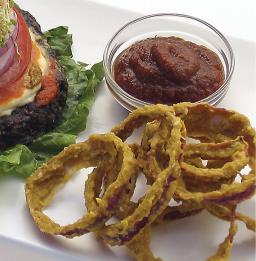
The recipes featured below are from the Raw Revolution Diet book (Cherie Soria, Brenda Davis, and Vesanto Melina, Book Publishing Company, 2008). Both use a dehydrator, and are such fun to eat.
Sweet Onion Crisps
- 2 1/2 pounds sweet onions, diced
- 1/2 cup sea salt (this is not a typo)
- 2 tablespoons lemon juice
- 3 oranges, peeled and chopped
- 1 cup sesame seeds
- 1/2 cup purified water
- 1 date, pitted
- 1/4 cup ground golden flax meal
- Pinch of sea salt
- In a large saucepan, sauté the onion in 3 tablespoons of broth for about 10 minutes, until the onion is softened.
- Stir in the garlic, chili powder, and cumin. Cook for another minute.
- Add 4 cups of vegetable broth, green peppers, crushed tomatoes, and salsa. Stir together and cook over medium heat until the broth comes to a boil. Lower the heat and simmer for about 15–20 minutes.
- Add the beans and corn. Simmer for another 15–20 minutes.
- Dish into individual bowls. Put out small bowls of additional toppings so each person can add the flavors they enjoy.
Crispy Sweet Onion Rings
- 2 1/2 pounds sweet onions, sliced into 1/4-inch rings
- 1/2 cup sea salt (this is not a typo)
- 2 tablespoons lemon juice
- 1 1/2 oranges, peeled and chopped
- 1/2 cup sesame seeds
- 1/4 cup purified water
- 1 small date, pitted
- Pinch of solar-dried sea salt
- In a large bowl, separate the onions into individual rings and cover with purified water. Add the salt and lemon juice and allow them to remain immersed for 1 to 2 hours to soften and remove some of the strong onion juice.
- After the onions have soaked, drain them, rinse well with purified water, and drain again. Remove the onions to a dry towel and allow them to sit for a few minutes while you make the batter.
- Combine the oranges, sesame seeds, water, dates, and salt in a high-powered blender, and blend until the mixture forms a thick batter.
- Pour half the batter over the onions in the bowl, toss, and place the onions evenly on dehydrator trays lined with nonstick sheets, using about 2 cups of battered onions on each tray.
- Dehydrate at 105 degrees for 6 to 8 hours. Turn the onions over and drizzle the remaining batter over the top. Continue dehydrating until completely crisp, about 12 to 18 hours more.
- Store in an airtight container in the refrigerator or in the freezer.
This article was written for a PCRM Food for Life Instructors group called So Many Cooks in the Kitchen. This group meets online to provide amazing cooking and nutrition demonstrations that are free to share globally. For wonderful whole food, plant-based cooking shows, tune in to their monthly broadcasts. https://somanycooks.com/about/
Brenda Davis, RD is a plant-based pioneer and author/co-author of 13 books on plant-based diets. She is co-Author of Nourish: the definitive plant-based nutrition guide for families, Becoming Vegan: Comprehensive and Express Editions and Kick Diabetes Essentials. www.brendadavisrd.com


