


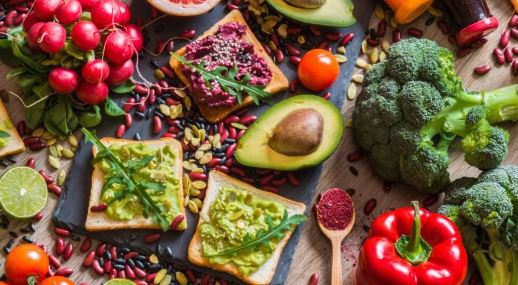
The word “brunch” is a portmanteau or a blend of words used to make a new word. In this case, it is a blend of two words – breakfast and lunch. So, it is easy to understand that this is a meal that combines breakfast and lunch. Brunch is
usually served between about 10:00 am and 11:30 am – a late breakfast and an
early lunch.
The word originated in England in the late 19th century and made its way to North America in the 1930s.
Brunch foods tend to lean towards breakfast items such as waffles, pancakes, eggs, sausages, pastries, fruit, and salads, but can also feature lunch favorites such as casseroles, soups, and salads as well. Plant-based eaters have done a marvelous job of making traditional brunch fare without any animal products. Today, you will see firsthand just how creative and delicious animal-free brunch foods can be!
Brunch is not an everyday thing for most people. It is something to indulge in on weekends or for special occasions. Often, brunches are enjoyed the morning after a wedding, for Easter, Valentine’s Day, or Mother’s Day. Many restaurants serve
brunch buffets with dozens of fancy dishes.
China
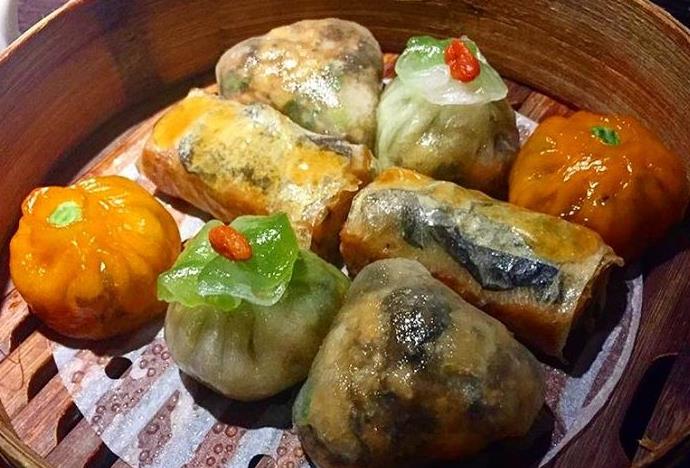
China has a unique and popular brunch called Dim Sum. If you have never been to a restaurant for Dim Sum, it is a memorable experience.
Servers bring carts to your table with different offerings of steamed buns and dumplings, and you select those that appeal to you.
Ethiopia
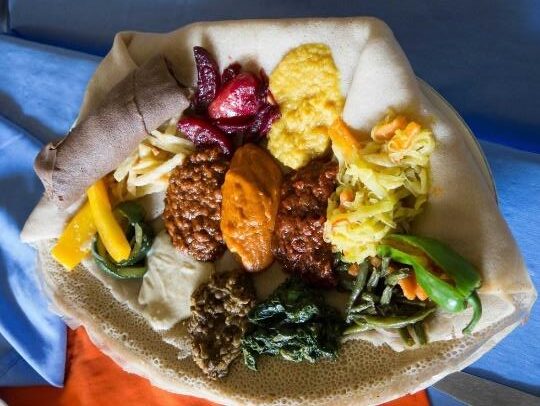
Ethiopian food is such fun, and very veg-friendly! While traditional brunch dishes often include eggs and yogurt, it is easy to make plant-based versions of Ethiopian favorites. The cuisine relies heavily onbeans, lentils, vegetables, and flatbreads, so it is naturally plant-based. One of the stars of the Ethiopian brunch is a dish called Ful – a fava beanbased delight.
India
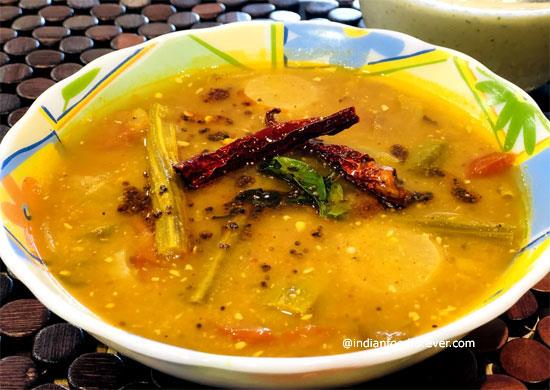
If you have never tried an Indian brunch, be prepared to be wowed. Indian cuisine is masterfully seasoned, and brunch features many Indian classics such as paratha (flatbread), poha (rice dish), sambhar (lentil-vegetable stew), uttapam (savory pancake) with coconut chutney, and dosas (lentil and rice pancake).
Mexico
In Mexico, brunch foods are loaded with salsa, guacamole, and chili peppers. Mexican brunches are often stacked with tortillas, burritos, enchiladas, and refried beans. Mexican-inspired breakfast bowls featuring black beans, sweet potatoes and avocado also make a fun addition to brunch.
Turkey
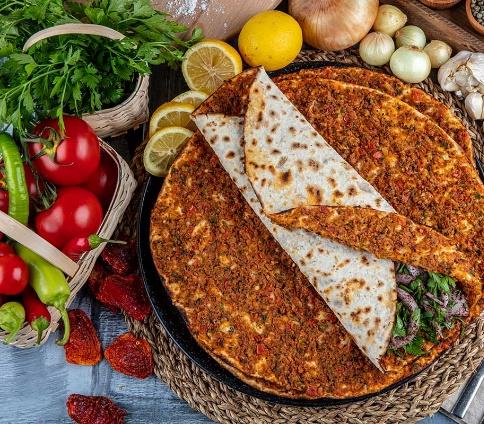
The food in Turkey is quite simply incredible, and brunch is no exception. Many small plates are served, with olives, roasted vegetables, hummus, Simit (Turkish bagel), breads, waffles, and many traditional Mediterranean dishes. While Turkish brunches tend
to be meat and cheese heavy, there are so many plant-based options, it is easy to avoid them.
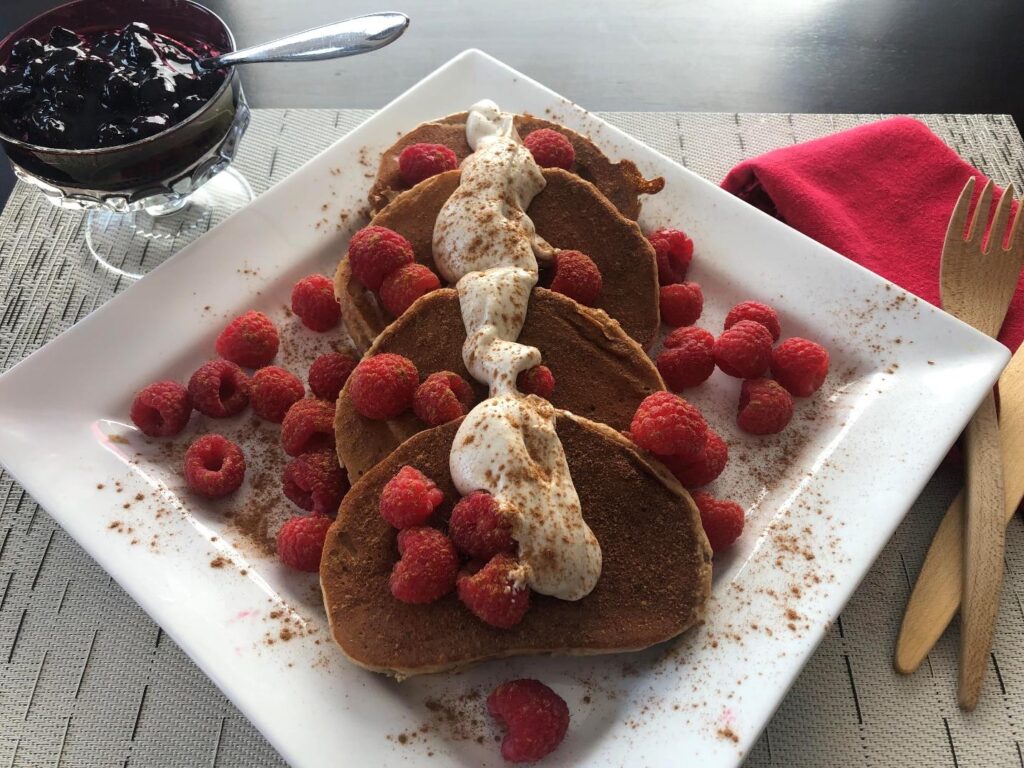
This recipe and its accompaniments were family favorites as my kids were growing up. The main dish is cashew French toast. You can top it with fresh berries, sliced bananas or peaches, apple, or berry sauce. For
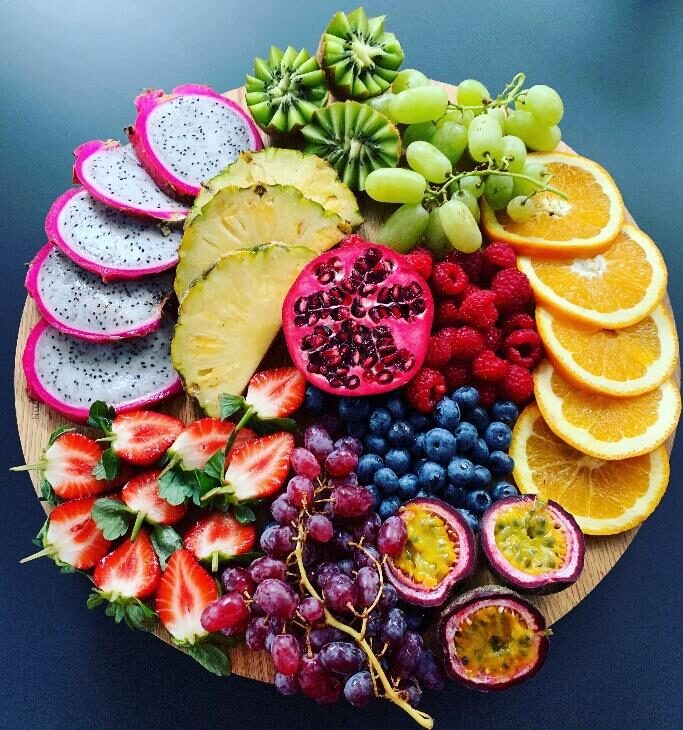
a special finishing touch, add a dollop of pear cream. Pear cream is the perfect substitute for whipping cream. Don’t forget to include a colorful fruit tray or fruit salad with your brunch!
Makes 5-6 slices of French toast.
French toast is a great addition to any brunch. Whether you serve French toast, waffles, or pancakes, set up a little buffet with a variety of toppings such as berries or sliced fruit (mango, peaches, nectarines, bananas, and strawberries
work well), cooked fruit sauce, nut butter, maple syrup and pear cream or similar whipping cream substitute. You can use any flax or chia, but golden flax or white chia are less noticeable.
*If you do not have canned pears, use 2 small to medium pears, cored, sectioned,
and steamed for about 10 minutes. No need to remove skin!
Makes 2 cups (500 ml)
Pour this delicious sauce over French toast, pancakes, waffles, puddings, or frozen
banana ice cream.
Put the berries and ¼ cup water in a small saucepan and cook over medium heat, stirring occasionally until berries come to a simmer. In a small bowl, mix the cornstarch and 2 tablespoons of water, then stir it into the simmering berries. Cook, stirring constantly, until the sauce thickens, about 1 minute. Serve warm or cold.
Brenda Davis, RD is a plant-based pioneer and author/co-author of 13 books on plant-based diets. She is co-Author of Plant-Powered Protein, Nourish: the definitive plant-based nutrition guide for families, Becoming Vegan: Comprehensive and Express Editions and Kick Diabetes Essentials. www.brendadavisrd.com
Copyright © 2026 Brenda Davis RD. All Rights Reserved.
Made with ❤️ in the Shuswap by inTechrity