
What to eat for Breakfast, Lunch and Dinner
Once you understand the value of plant-based diets for the prevention and reversal of disease, the next step is putting together meals that maximize the most protective components in your diet and minimize the components that are harmful. The following suggestions are meant to help turn this task into a creative, joy-filled journey.
Breakfast
Breakfast is often rushed and nutritionally lacking. This meal has the potential to kick-start your day, reducing stress hormones, boosting brain power and performance, and helping to fight food addiction. Be sure you choose wisely!
Here are three nutrition-packed breakfast meals. The first is your go-to, everyday breakfast. It is delicious and allows you flexibility. The second two are savory, high protein options.
Sweet Breakfast Bowl
-
- You don’t need to include everything on this list – mix it up and be creative.
- Cooked, intact whole grain (e.g., barley, buckwheat, kamut, oat groats, quinoa, spelt)
- Fresh fruit (e.g., apples, apricots, bananas, berries, kiwi, mango, oranges, peaches, pears)
- Sprouted whole grain (e.g., kamut or spelt berries) or lentil sprouts
- Non-dairy, unsweetened yogurt, chia pudding or pear cream
- Cooked or frozen fruit (e.g., blueberries, cranberries, or Italian prune plums)
- Granola (homemade, sugar and oil-free)
- Seeds or seed mix (chia, hemp, ground flaxseed, pumpkin seeds)
- Brazil nut, chopped
- Walnuts, chopped
- Unsweetened soy, almond or other non-dairy milk (if not using soy, boost protein and nutrients by blending 80-125 ml (1/3-1/2 cup) of hempseeds per liter (quart) of milk)
Savory Breakfast Bowl
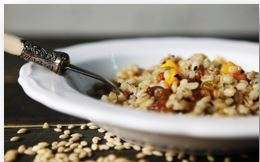
- Intact cooked whole grains (e.g., barley, buckwheat, kamut, oat groats, quinoa, spelt) OR cubes of starchy vegetables (e.g., yams, purple sweet potatoes)
- Steamed greens and other cooked vegetables, as desired
- Prepared beans (e.g., beans, onions, garlic or homemade coconut milk or tomatoes, spices)
- Grated raw vegetables, such as beets and carrots
- Sprouts (e.g., sunflower or pea sprouts)
- Seeds or seed mix (chia, hemp, ground flaxseed, pumpkin seeds)
Scrambled Tofu Breakfast
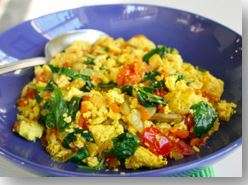
- Prepare scrambled tofu with onions, garlic, dark leafy greens, red peppers and mushrooms; season with turmeric, nutritional yeast, Italian or all-purpose seasoning mix, salt and pepper
- Sautéed sweet potatoes and onions (or add cooked, cubed sweet potatoes to scrambled tofu)
- Dense, low GI bread/toast with nut butter (optional, for those needing more calories)
- Fresh fruit or fresh fruit salad (e.g., orange, grapefruit, berries)
Are smoothies a good option?
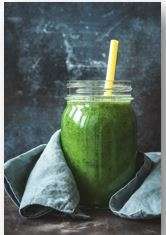
Smoothies allow people to have a fast, portable breakfast. Made correctly, they can provide a host of nutrients. On the other hand, smoothies are often high in fruit and provide a very quickly absorbed load of sugar. The fiber in smoothies has been ground into tiny particles so is less effective for laxation than whole foods. Also, smoothies tend to be less filling than whole foods. It takes much longer to chew whole foods than to drink a smoothie. In addition, acidic smoothies can increase tooth erosion. So, while a smoothie may be a reasonable meal replacement in a pinch, it is best to stick to whole foods most of the time. For some individuals, smoothies can make great additions to a meal or serve as a nutritious snack. Generally, those who benefit are individuals who are underweight, are extremely physically active (so have very high caloric requirements) or those who have limited ability to chew or otherwise meet calorie needs (e.g., elderly individuals, people who are ill). If you choose to use smoothies as a meal replacement (even just occasionally), here are some simple tips:
- Include a source of protein (e.g., hempseeds (30 ml/2 Tbsp per serving), nut butter (15 ml/1 Tbsp per serving), soy milk (250 ml/1 cup per serving)
- Include vegetables (e.g., greens)
- Limit total fruit (aim for no more than 2-3 servings. One serving = 125 ml/.5 cup fresh fruit)
- Leave out fruit juice, fruit juice concentrate, dried fruits, and concentrated sweeteners
- Use non-dairy milk instead of water for added nutrients
- Avoid commercial smoothies
- Drink slowly!
Lunch
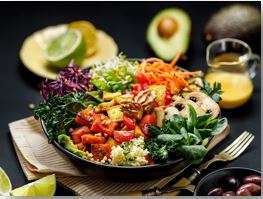
For many individuals, sandwiches or fast food are the go-to lunch. There are many simple healthful options. Once a day, aim to eat a full meal salad. This can be a green salad that includes protein and carbohydrate toppings or a marinated salad with grains, starchy vegetables, beans, greens, and other vegetables. If you prefer, you can have a bean/vegetable soup instead of salad (or in addition to salad), especially on cooler days. Of course, healthy dinner leftovers also make a great lunch. If you prefer a sandwich because it is faster and easier to eat, be sure to use heavy bread or a healthy wrap. Also include fresh raw veggies, salad, or kale chips. Choose a fresh fruit if you want something sweet after your meal.Full Meal Green Salad
- Greens (e.g., mixed greens, kale, spinach, romaine, arugula)
- Sprouts (e.g., pea shoots, sunflower sprouts, broccoli sprouts)
- Vegetables (aim for a rainbow of color – e.g., red pepper, purple cabbage, pink watermelon radish, orange carrots, yellow tomatoes, white cauliflower)
- Starches (starchy vegetables – e.g., squash, potatoes, sweet potatoes, corn; grains – e.g., quinoa, kamut, spelt, wild rice)
- Protein (e.g., beans, lentils, tofu, tempeh, hummus)
- Fruit (e.g., pomegranate seeds, blueberries, orange segments)
- Healthy fat (e.g., nuts, seeds, avocado, olives)
- Homemade dressing (nut or seed-based)
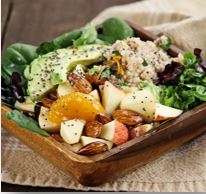
A full meal salad can be eaten on a plate or in a serving bowl – it is a large salad – the size you might serve 4-6 people with a meal. Use the greens as your base, and add other vegetables, sprouts, beans, and starches to look beautiful on the greens. Add nuts, seeds, avocados, and olives. The most healthful dressings are nut, seed or avocado-based rather than oil-based which are less nutrient dense.
Marinated Salad Meal
- Starches (starchy vegetables – e.g., squash, potatoes, sweet potatoes, corn; grains – e.g., quinoa, kamut, spelt, wild rice)
- Protein (e.g., beans, lentils, tofu, tempeh)
- Vegetables (aim for a rainbow of color – e.g., green peas, red pepper, purple cabbage, pink watermelon radish, orange carrots, yellow tomatoes, white cauliflower)
- Finely chopped leafy greens such as kale or collards (remove stems; pour boiling water over greens; drain; then chop well)
- Healthy fat (e.g., nuts, seeds, avocado, olives)
- Homemade dressing
Stir together all ingredients and decorate as desired.
Soup Meal
- Bean or lentil soup (add greens at the end of heating or pour hot soup over greens)
- Dehydrated crackers (or heavy bread) with nut cheese/hummus/other bean or nut spread/avocado/tomato
- Raw vegetables (e.g., celery, peppers, broccoli, cauliflower, carrots, radishes, etc.)
- Kale chips, falafel chips or other dehydrated vegetable snacks
- Fresh fruit
Soup makes a great foundation for a main meal. Make the soup thick using beans and grains or starchy vegetables. Enjoy with dehydrated crackers, heavy bread and spread. Be sure to include raw vegetables or salad with the meal.
Dinner
For many people, dinner is built around a meat-based main dish. Sides are usually potatoes or rice and a smattering of cooked vegetables such as peas, carrots, or corn. Plant-based main dishes tend to be built around a wider variety of foods with flavors from around the world. Many dishes are adapted from ethnic plant-based cuisines. Get your creative juices flowing and turn favorite dishes into healthful plant-based meals. Here are just a couple of great options:
Marinated Salad Meal
- Starches (starchy vegetables – e.g., squash, potatoes, sweet potatoes, corn; grains – e.g., quinoa, kamut, spelt, wild rice)
- Protein (e.g., beans, lentils, tofu, tempeh)
- Vegetables (aim for a rainbow of color – e.g., green peas, red pepper, purple cabbage, pink watermelon radish, orange carrots, yellow tomatoes, white cauliflower)
- Finely chopped leafy greens such as kale or collards (remove stems; pour boiling water over greens; drain; then chop well)
- Healthy fat (e.g., nuts, seeds, avocado, olives)
- Homemade dressing
Stir together all ingredients and decorate as desired.

Soup Meal
- Bean or lentil soup (add greens at the end of heating or pour hot soup over greens)
- Dehydrated crackers (or heavy bread) with nut cheese/hummus/other bean or nut spread/avocado/tomato
- Raw vegetables (e.g., celery, peppers, broccoli, cauliflower, carrots, radishes, etc.)
- Kale chips, falafel chips or other dehydrated vegetable snacks
- Fresh fruit
Soup makes a great foundation for a main meal. Make the soup thick using beans and grains or starchy vegetables. Enjoy with dehydrated crackers, heavy bread and spread. Be sure to include raw vegetables or salad with the meal.