
A Colorful History
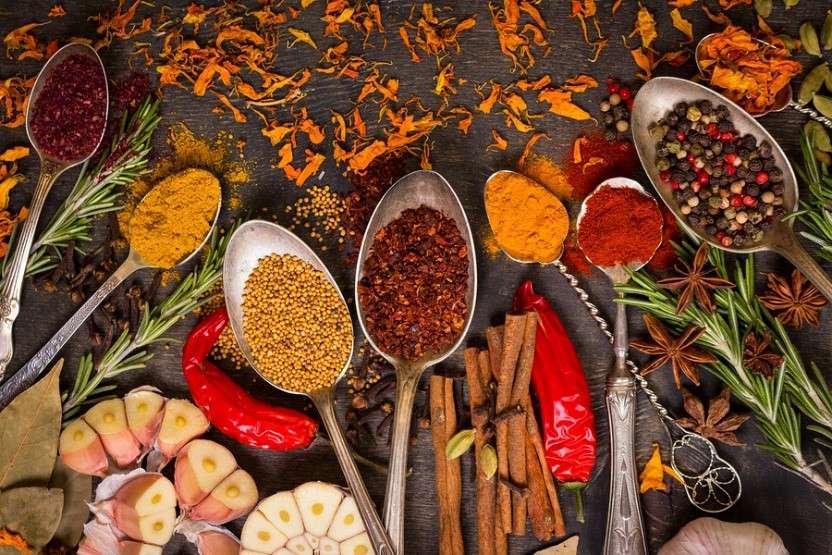
The inexpensive jars of herbs and spices sitting in our cupboards have a history that is beyond extraordinary. Herbs and spices have been used for flavoring foods, and for treating what ails us for millennia. Historical documents provide evidence for the spice trade in the Middle East over 4,000 years ago! Did you know that:- In the 16th century, workers were paid bonuses in cloves
- Roman soldiers were often paid in salt, hence the term salary, and the phrase “worth his salt”.
- Nutmeg was once worth more by weight than gold.
- In the mid-13th century, Venice was the primary trade port for spices bound for Europe. They charged such huge tariffs that even the wealthy had to limit their use.
- Beginning around the 14th century, ocean exploration expanded and by the 1800s spice plantations were established and prices began to fall.
- The United States now produces over 200 billion pounds of herbs and spices each year.
What are herbs?
Herbs are leaves or other green parts of plants with savory, fragrant, or aromatic properties. They are used to flavor or garnish foods rather than serving as a primary ingredient in a recipe. So, for example, kale is a leafy plant, but it is used as a food in salads and main dishes, so it is not an herb. Examples of common herbs include basil, dill, marjoram, oregano, parsley, rosemary, sage, and thyme.What are spices?
Spices are the flowers, fruits, seeds, bark, roots, or other parts of plants. For example, cloves are from dried flower buds, allspice from fruit, fennel from seeds, cinnamon from bark, and ginger from roots. Spices are used in flavoring or coloring food, in cosmetics and incense, or in medical preparations.Can a plant produce both herbs and spices?
Yes, some plants do produce both herbs and spices. For example, the plant, Coriandrum sativum produces cilantro leaves and coriander seeds.Herbs, Spices, and Health
Herbs and spices were prized for their medicinal properties even before they were part of our culinary traditions. They contain an impressive array of phytochemicals and antioxidants. Today, we have evidence to prove that the active components of herbs and spices are associated with health benefits. The table below provides a sampling of some of the herbs and spices that may have favorable health effects.
PLEASE NOTE: While the small amounts of herbs and spices typically used in food preparation are safe, large amounts (generally in excess of 5 grams) used on a regular basis, as well as extracts, oils, pills, and concentrates can have adverse or toxic effects. Consult a health care provider prior to use and avoid during pregnancy and lactation.
Health Benefits of Specific Herbs and Spices
| Herb or Spice | Active Ingredients | Health Benefits | Notes and Cautions |
|---|---|---|---|
| Allspice | Eugenol, gallic acid, quercetin, ericifolin | Allspice has antiseptic, antioxidant, and anti-inflammatory properties. It has been shown to kill cancer cells, help control blood sugar, and protect against heart disease. It also appears to reduce stomach cramps and aid digestion. | Allspice is the dried berry of a small tree. The name was chosen because it has hints of cloves, cinnamon, nutmeg, and pepper. Caution: Do not ingest allspice oil. Minimize use if you have gastric ulcers or ulcerative colitis. |
| Basil | Linalool, eugenol | Basil has antimicrobial, anticancer, antihypertensive, antidiabetic, and cardioprotective properties. Some evidence suggests reduced memory loss with regular use. | Basil is one of the most popular and delicious of all herbs. It is particularly rich in vitamin K.Caution: Very large intakes may interfere with anticoagulant medications. Basil supplements may lower blood pressure and blood sugar. |
| Cayenne | Capsaicin | Cayenne has antioxidant, anticancer, antihypertensive, and metabolism-boosting properties. There is some evidence that it may help support overall health. | Cayenne peppers are a type of chili pepper that have an impressive nutrition profile. They are extremely rich in vitamins and antioxidants. |
| Cinnamon | Cinnamic acid, cinnamate, cinnamaldehyde | Cinnamon has antioxidant, anti-inflammatory, antimicrobial, antidiabetic, and cardioprotective activities. Preliminary research suggests that active components in cinnamon may also be neuroprotective. | There are two main types of cinnamon – Ceylon (true cinnamon) and Cassia (the more common and less expensive variety). Caution: Cassia cinnamon is high in coumarin which can be toxic to the liver. Avoid consuming more than one teaspoon per day (less for children). Ceylon cinnamon has much lower amounts, so more generous intakes are safe. |
| Cloves | Eugenol, vanillin, tannins, flavonoids, triterpenoids | Cloves have potent antioxidant, antimicrobial, anticancer, antidiabetic, and immune-boosting properties. | Cloves have among the highest antioxidant content of all spices. They are also rich in manganese with one teaspoon providing about 55% of the Daily Value (DV). Caution: Cloves may slow blood clotting and can increase the risk of bleeding when consumed in excess. |
| Coriander | Linalool, camphor, limonene | Coriander has antioxidant, anti-inflammatory, antimicrobial, immune-boosting, anticancer, cardioprotective, and neuroprotective activities. | Cilantro comes from the same plant as coriander seeds. Both parts of the plant are healthful. Caution: Regular, high intakes may be contraindicated for those with low blood pressure or diabetes. |
| Cumin | Terpenes, phenolic acids, flavonoids, alkaloids | Cumin has antioxidant, anti-inflammatory, antidiabetic, antimicrobial, and cardioprotective effects. It may also aid in weight loss. | Cumin is an unusually rich source of iron with 1.4 mg in one teaspoon. Caution: Regular, high intakes may increase risk of bleeding, respiratory complications, and skin conditions. Cumin supplements can interfere with certain medications. |
| Dill | Flavonoids, terpenoids, tannins | Dill has antioxidant, antidiabetic, antiviral, antifungal, anticancer, anti-inflammatory, and cardioprotective properties. However, most of the studies suggesting benefit relied on extracts rather than fresh dill. | Dill is a herb that is sometimes eaten in quite generous amounts. Caution: Dill is considered safe for most people. People who are allergic to carrots are also often allergic to dill as well. Pregnant and breastfeeding women should avoid dill extracts. |
| Ginger | Gingerol, zingerone, shogaols | Ginger has powerful anti-inflammatory, antioxidant, antimicrobial, anticancer, and anti-nausea properties. It has been shown to reduce nausea and appears particularly effective for morning sickness. It may aid in weight loss, reduce symptoms of osteoarthritis, reduce indigestion, diminish menstrual pain, reduce gum disease, protect brain function, and lower blood sugars and blood cholesterol levels. | Ginger has been used in alternative medicine for centuries. It has a unique flavor that has no substitute. Caution: Ginger may cause stomach upset in some people. Ginger can interfere with anticoagulants, so caution is advised when using these medications. |
| Holy basil | Eugenol, ursolic acid, rosmarinic acid | Holy basil is an adaptogen – a substance that counteracts the effects of stress. It has anti-inflammatory effects, and may assist in metabolic disorders such as diabetes, and neurocognitive disorders such as depression. | Holy basil is spicier than the more common basil. It is revered as a sacred plant and often planted around Hindu shrines. Caution: Not recommended for those taking anticoagulants or those taking drugs that cause drowsiness. |
| Marjoram | Phenolic acids, monoterpenes | Marjoram has antioxidant, cardioprotective, anti-inflammatory, antibacterial, and antifungal properties. | A member of the mint family, marjoram is similar to oregano, but with a milder and sweeter flavor. |
| Nutmeg | Cyanidins, safrole, myristicin, phenolic compounds such as ferulic and caffeic acids | Nutmeg has antioxidant, anti-inflammatory, and antibacterial activities. Preliminary studies suggest possible benefits to heart health, mood, and blood sugar control. | For the freshest nutmeg, use a rasp to grate whole nutmeg seeds. Caution: Myristicin has psychoactive properties, and in excess can be toxic. Nutmeg toxicity can cause rapid heartbeat, nausea, vomiting, and disorientation. |
| Oregano | Carvacrol, thymol | Oregano has antioxidant and antibacterial and antiviral properties. In addition, some preliminary evidence suggests anti-cancer effects of some of the active components in oregano. | Oregano is similar in flavor to marjoram, although a little stronger in flavor. Caution: Avoid oregano oil during pregnancy due to concerns about increasing risk of miscarriage. Oregano oil is contraindicated for those with bleeding disorders. |
| Rosemary | Carnosic acid, carnosol, rosmarinic acid, hesperidin | Rosemary has antimicrobial and antioxidant properties. | Rosemary has been a culinary staple for centuries. The plant’s aromatic leaves are widely used in cooking. |
| Rosemary | Carnosic acid, carnosol, rosmarinic acid, hesperidin | Rosemary has antimicrobial and antioxidant properties. Preliminary research suggests possible benefits to brain function and mood. | Rosemary has been a culinary staple for centuries. The plant has needle-like leaves and purple, blue, pink, or white flowers. Caution: Avoid excess in pregnancy and lactation. Avoid rosemary supplements if you have hypertension. |
| Saffron | Crocin, crocetin, safranal, kaempferol | Saffron has antioxidant, anti-inflammatory, and appetite-suppressing properties. It may help to improve mood, memory, and learning ability. It may also aid in weight loss. | Saffron is the most expensive spice in the world. One pound costs between $500–$5000 US. The cost is due to its very labor-intensive harvest methods. Fortunately, a little goes a long way. Caution: High doses (5 g+ can increase chance of miscarriage). |
| Sage | Camphor, carnosic acid, carnosol, phenolic acids | Sage has strong antioxidant, anti-inflammatory, and antimicrobial properties. Appears to lower cholesterol and triglycerides. Preliminary evidence suggests potential for reducing hot flashes and improving memory. | Sage is rich in vitamin K, with about 10% of the Daily Value (DV) in one teaspoon. Caution: Consumed in excess, sage may trigger restlessness, vomiting, and rapid heart rate. |
| Tarragon | Monoterpenoids, flavonoids, coumarins | Tarragon may help improve insulin sensitivity and stabilize blood glucose. It may help to reduce pain from osteoarthritis. It has also been shown to have antibacterial properties. | Tarragon has a mild flavor so pairs well with many dishes. Caution: May increase risk of bleeding after surgery. |
| Thyme | Thymol | Thyme has anti-inflammatory, antimicrobial, and antioxidant properties. It has long been used for pain relief of menstrual cramps. It is also used as a remedy for bad breath and gingivitis. | Thymol is widely used as an active ingredient in many commercial mouthwashes. Caution: Overconsumption may cause upset stomach, cramps, and headaches. |
| Turmeric | Curcumin | Turmeric has anti-inflammatory and antioxidant properties. It may be beneficial for the management of metabolic syndrome, arthritis, PMS, high blood lipids, and muscle soreness. | The bioavailability of curcumin from turmeric is enhanced by black pepper. Caution: Large doses over time could cause GI issues for some people. It could also slow blood clotting and lead to dangerously low blood sugars in people with diabetes. |
Making the Most of Herbs and Spices in Your Kitchen
Herbs and spices are overlooked nutritional powerhouses that deserve a food group of their own. They add immense flavor to foods without adding significant calories. Using herbs and spices can help us to reduce sodium in foods. They also pack an incredible antioxidant punch – with more antioxidants per gram than any other food category. Fresh herbs are easy to grow inside or out, making them ultra-accessible to almost everyone. There is nothing like the fresh herbs for adding elegance and flavor to our foods. There is a real art to learning how to make the most of herbs and spices in your daily meal preparation. So Many Cooks in the Kitchen will boost your skills and take your culinary adventures to the next level.
Recipe
Turmeric Tea Elixir
Makes 12 servings
Many turmeric tea beverages available commercially are sweet due to added sugars, and rich, due to added milk, cream, or coconut milk. This more potent potion is a valuable part of your treatment protocol, helping boost disease fighting compounds. A cup each morning before your first meal will help to maximize absorption of the protective components with negligible calories.
- 6 c (1.5 L) water
- ½ cup (125 ml) washed, sliced fresh ginger root
- 3 cinnamon sticks
- 12 whole cloves
- 6 whole cardamom pods (optional)
- 1½ tsp (7 ml) ground turmeric
- ½ tsp (2 ml) freshly ground black pepper
- ½ tsp (2 ml) cayenne pepper
- 1 sliced orange or apple
- 6 fresh lemons (to be used when preparing individual servings)
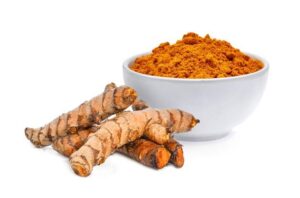
Place water, cardamom, cloves, cinnamon, ginger, and orange slices in a large saucepan. Bring to a boil then lower heat and simmer for 15 minutes.
Stir in black pepper, cayenne and turmeric and heat another 10 minutes. Remove from heat, cool slightly and strain. Transfer into glass jars or containers. This is your tea concentrate for the week.
For individual servings, shake concentrate then pour 1/2 cup (125 ml) of mixture with 1 cup (250 ml) boiling water and the juice of ½ lemon (or 1 tablespoon (15 ml) of apple cider vinegar if you prefer) into a large mug. Feel free to dilute less if you like a stronger flavor. If you find the tea too tart, you could do one of the following:
- Add both an apple and an orange.
- Add 4-5 dates to the water when adding the sliced orange.
- Add a few drops of monk fruit or stevia to the tea just before consuming.
This article was written for a PCRM Food for Life Instructors group called So Many Cooks in the Kitchen. This group meets online to provide amazing cooking and nutrition demonstrations that are free to share globally. For wonderful whole food, plant-based cooking shows, tune in to their monthly broadcasts. https://somanycooks.com/about/
Brenda Davis, RD is a plant-based pioneer and author/co-author of 13 books on plant-based diets. She is co-Author of Nourish: the definitive plant-based nutrition guide for families, Becoming Vegan: Comprehensive and Express Editions and Kick Diabetes Essentials. www.brendadavisrd.com


