


The other day, my 8-year-old granddaughter asked me what vegetable was my least favorite. I am a big vegetable lover and had a hard time thinking of one, but eventually, I said, “Sunchokes.” She asked me why I didn’t like them. I responded that I wasn’t keen on the flavor. Then, I asked her what her least favorite vegetable is. She responded, “eggplant”. I was really surprised as I remembered her eating grilled eggplant during the summer. I asked her why she didn’t like eggplant anymore. She said it was because eggplant is bitter and slimy. She is not alone. Eggplant is one of the vegetables people tend to love or hate. I am squarely in the eggplant lover camp, and I am on a mission to sway my granddaughter.
Eggplant Around the World
Originating in Asia, eggplant was later introduced to the Mediterranean region and eventually the Americas. Eggplant is known as aubergine in many countries and has been celebrated in global cuisines for centuries. Some of the cultures that use eggplants as an integral part of their culinary traditions include:- Mediterranean and the Middle East: In these regions, eggplant is a star ingredient.
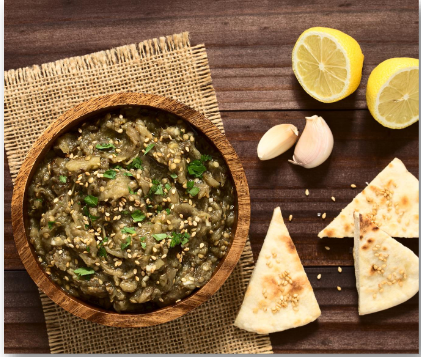
Think of classics like baba ganoush-a smoky, creamy dip made by roasting eggplant and blending it with tahini, lemon, and garlic-or moussaka, where layers of eggplant, tomatoes, and spices create a hearty, comforting casserole. Both of these favorites are featured in the recipe section below. - South Asian: In India and Pakistan, eggplant is the key component in baingan bharta, a dish of roasted and mashed eggplant mixed with onions, tomatoes, and aromatic spices
- East Asian: Both Chinese and Japanese cuisines incorporate eggplant in stir-fries, stews, and grilled dishes, often pairing it with bold sauces and spices
- Italian: Eggplant parmigiana transforms this humble vegetable into a layered baked dish rich in tomatoes, basil, and dairy alternatives in plant-based adaptations.
- North African: Eggplant is deeply woven into the culinary traditions of Morocco, Tunisia, and Algeria. It is featured in classic dishes such as stuffed eggplant, tagines, stews, and dips.
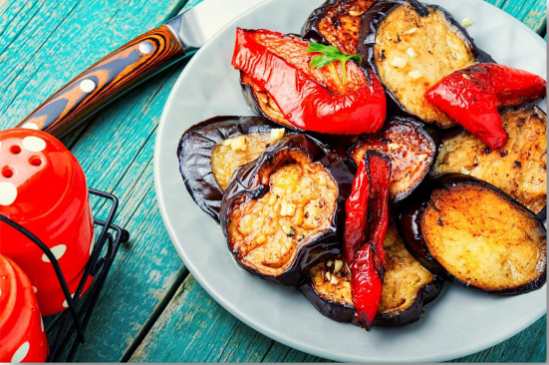
Eggplant Varieties
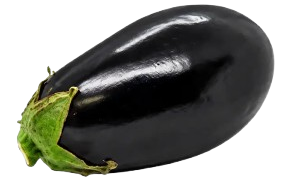
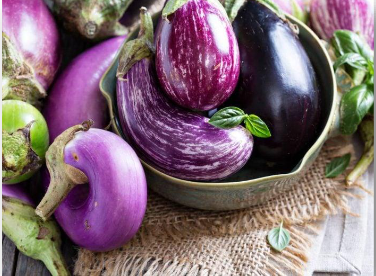
Eggplants come in many shapes and sizes. While the skin is most commonly purple, eggplants can also be white, green, or striped. Some of the most common varieties include:- Globe Eggplant: The classic variety found in many Western supermarkets. It has a glossy, deep purple skin and a creamy, spongy texture that absorbs flavors well.
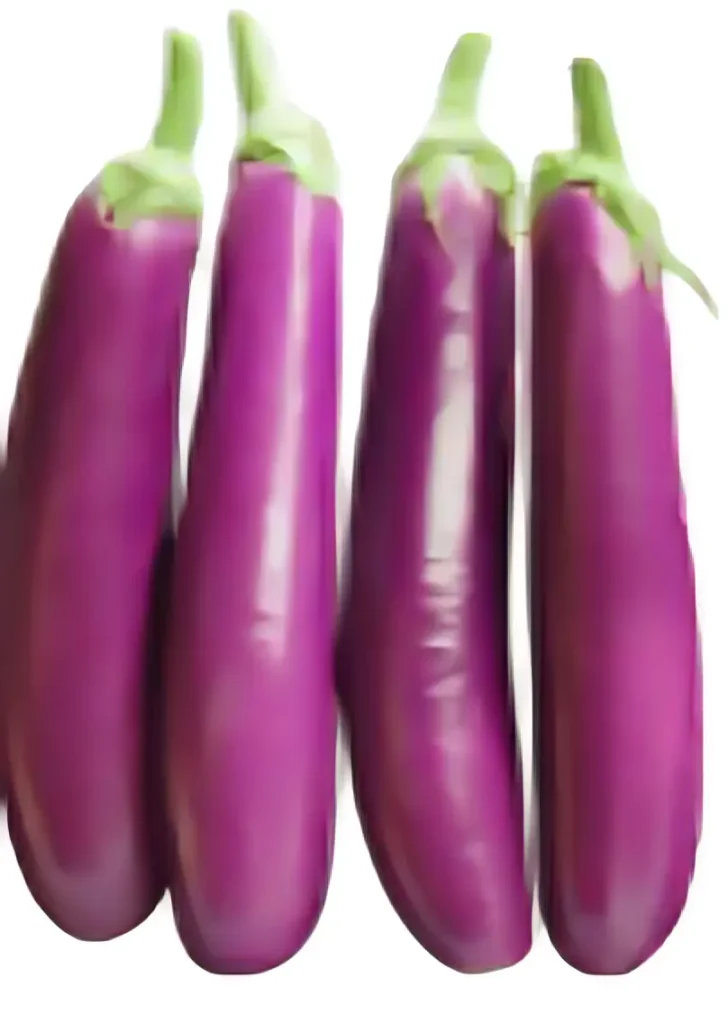
- japanese Eggplant: Longer, slender, and with thinner skin, Japanese eggplant has a milder, less bitter taste and is ideal for stir-fries and grilling.

- Thai Eggplant: Much smaller and rounder than globe or Japanese eggplants, these are a staple in Southeast Asian cooking, especially in Thai curries. They are striped eggplants and can be either green or purple.
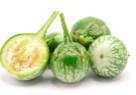
- Chinese Eggplant: Often lighter in color, these eggplants have tender flesh and a subtly sweet flavor.
- White or Green Eggplant: Less common, these varieties offer a different flavor profile and can be used in both raw and cooked dishes.
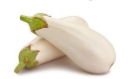
- Mini or “Fairy Tale” Eggplant: Small and often striped, these are perfect for roasting whole or stuffing, adding an elegant touch to dishes.

Nutritional Attributes of Eggplant
Eggplant belongs to the nightshade family, related to tomatoes, potatoes, and peppers. Some of the key nutritional attributes of eggplant include:
- Low in Calories – It is low in calories with only about 35 calories per cup of cooked eggplant.
- High in Fiber-cooked eggplant has about 2.5-3 grams of fiber per cup. It provides a nice balance of both insoluble and soluble fiber, which aid digestive health and blood glucose management
- Vitamins and Minerals: While eggplant does not stand out as a nutritional
powerhouse, it does provide small amounts of vitamin C, folate, vitamin B6, vitamin K, potassium, calcium, and manganese - Antioxidants: The deep purple skin contains a unique anthocyanin called
nasunin-a potent antioxidant that helps protect cell membranes from oxidative stress by scavenging free radicals. It may also provide neuroprotective and anti-inflammatory benefits - Low in Fat. One cup of cooked eggplant typically contains around 0.2 to 0.3 grams of fat, making it an almost fat-free food. This low fat content, along with its fiber and antioxidants, contributes to its reputation as a nutritious and heart-healthy vegetable.
Plant-Based Eggplant Recipes
Eggplant is a culinary chameleon-nourishing, versatile, and steeped in cultural heritage. Whether you’re blending it into a smoky baba ganoush, spicing it up in an Indian baingan bharta, layering it in a delicious plant-based moussaka, eggplant can add both flavor and health benefits to your plant-based meals. Enjoy exploring these recipes and let eggplant bring color and nutrition to your kitchen! Its spongy texture makes it an excellent carrier for sauces and spices, which is why it’s featured in so many diverse dishes from every corner
of the world
Classic Baba Ganoush
Baba ganoush is a classic, smoky Middle Eastern dip that transforms humble eggplant into a creamy, flavorful dip or spread. Roasted to perfection and blended with tahini, lemon juice, garlic, and just the right amount of seasoning, this dish offers a delightful mix of tangy, earthy, and savory notes. Enjoy with pita or fresh vegetables. Although olive oil is a traditional addition, it can be omitted for an oil-free version. When roasting garlic, a little olive oil is traditionally drizzled on the garlic, but this is optional. A head of garlic, also known as a bulb, is the entire cluster of garlic. It is made up of multiple segments of garlic cloves.
Ingredients:
- 1 large globe eggplant
- 1 head of garlic
- 3 tablespoons tahini
- 3 tablespoons fresh lemon juice
- 1 tablespoon extra virgin olive oil (optional)
- A pinch of smoked paprika
- A pinch of cumin
- Salt and pepper, to taste
- Fresh parsley or cilantro, chopped, for garnish (optional)
- Seeds, for garnish (optional)
Instructions:
- Roast the Eggplant and Garlic: Preheat your oven to 400° F (375 F for convection).
Cut the top bit off the garlic. Cover the garlic with tin foil. Cut the eggplant in half. lengthwise, and place cut side down on a cookie sheet lined with a silicone mat or parchment paper. Roast the garlic and eggplant for 45 minutes. - Cool and Scoop the Eggplant: Allow the eggplant to cool slightly. Then, scoop out
the soft flesh and place it in a bowl. - Squeeze Garlic Out: Unwrap garlic, cool, and squeeze roasted garlic out of the
skin. - Mix the Dressing: Mash the roasted garlic, tahini, lemon juice, olive oil (if using). smoked paprika, cumin, salt, and pepper together in a small bowl. Add the dressing to the eggplant and stir well.
Steamed Japanese Eggplant with Soy-Ginger Sauce
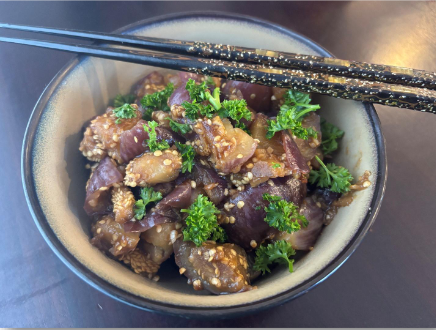
This simple recipe lets the natural tenderness of Japanese eggplant shine. Steamed until perfectly soft, the eggplant is drizzled with a bright, tangy soy-ginger sauce. Enjoy with a simple Asian meal of tofu, Bok choy (or other Chinese greens), and brown rice.
Ingredients
- 3 Japanese eggplants, halved lengthwise, and sliced into 1-inch pieces
- 3 cloves garlic, minced
- 1 tablespoon fresh ginger, finely grated
- 2 tablespoons tamari or soy sauce (low sodium, if desired)
- 1 teaspoon toasted sesame oil (optional for flavor)
- 2 tablespoons rice vinegar
- 1 teaspoon maple syrup
- Hot sauce, cayenne or minced hot peppers (to taste) (optional)
- Sliced green onions or fresh parsley or cilantro, for garnish
Instructions
1. Steam the Eggplant:
- Place the eggplant pieces in a steamer basket over boiling water. Steam for about 10-12 minutes until the flesh is very tender.
- In a small saucepan, combine the minced garlic, grated ginger, soy sauce, sesame oil, rice vinegar, maple syrup, and hot sauce (if using). Bring the mixture to a gentle simmer over low heat, stirring frequently. Let it cook for 5 minutes until slightly thickened.
- Add the steamed eggplant and cook another 5 minutes.
- Garnish with sliced green onions or fresh cilantro before serving.
Plant-based Moussaka
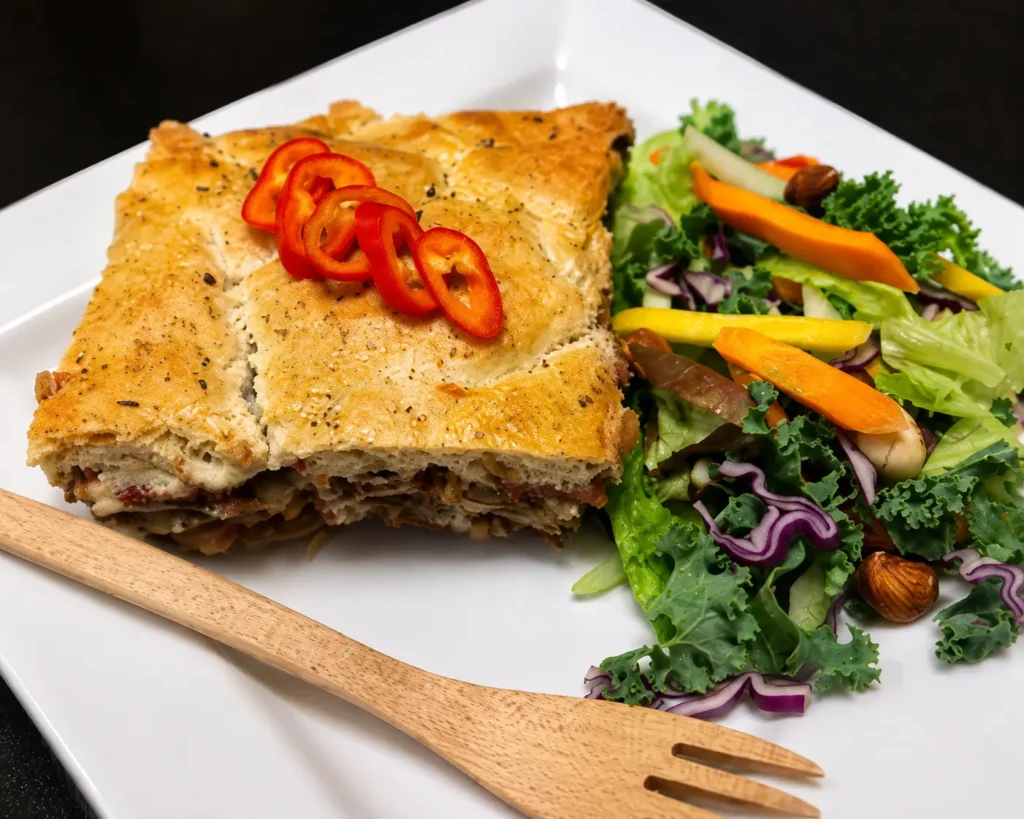
This is a delicious, hearty recipe for vegan moussaka that layers tender eggplant and potatoes with a savory lentil-tomato sauce and a creamy, plant-based béchamel. Think of it as Mediterranean comfort food. Bon appétit!
Ingredients
For the Vegetables:
- 2 large eggplants, sliced into ½-inch rounds
- 2 large potatoes, peeled and sliced into 14-inch rounds
- Salt (for sweating the eggplant)
- Olive oil spray or a brush of olive oil (optional)
For the Lentil-Tomato Sauce:
- 3 cups cooked or canned green or brown lentils (or 2 x 14 oz cans)
- 1 large onion, finely chopped
- 3 garlic cloves, minced
1 can (28 oz) diced tomatoes - 4 tablespoons tomato paste
- 1½ teaspoon ground cinnamon
- ½ teaspoon ground allspice
- 1 teaspoon dried oregano
- Salt and pepper, to taste
For the Vegan Béchamel Sauce:
- 2 cups unsweetened plant-based milk (cashew, ost, or soy work well)
- 3/4 cup raw cashews, soaked for 4 hours (or soaked in very hot water for 30 minutes), drained
- 2 tablespoons nutritional yeast (optional)
- 2 tablespoons flour
- 1/4 teaspoon fresh ground nutmeg (optional)
- 1 tablespoon light or white miso
- 3 cloves garlic
Instructions
1. Prepare the Vegetables:
- Sweat the Eggplant: Lay the eggplant slices on a baking rack or paper towels, sprinkle lightly with salt, and let them sit for about 20-30 minutes. This draws out bitterness and excess moisture. Pat dry.
- Pre-Bake: Preheat your oven to 375° F (350° F for convection). Arrange the eggplant and potato slices on separate baking sheets lined with silicone mats or parchment paper. Lightly spray if you wish. Bake the eggplant for about 25 minutes and the potatoes for 35 minutes until they’re tender but not falling apart.
2. Make the Lentil-Tomato Sauce:
- In a large pan, dry sauté the chopped onion over medium heat until softened (about 5 minutes). Add a little water or broth, if needed.
- Add the minced garlic and cook for an additional minute.
- Stir in the cooked lentils, diced tomatoes, tomato paste, cinnamon, allspice, and oregano. Season with salt and pepper.
- Cover and let it cook for about 15-20 minutes, or until the sauce has thickened. Adjust seasoning as needed.
3. Prepare the Vegan Béchamel Sauce:
- Blend the nondairy milk, cashews, nutritional yeast, miso, nutmeg, and garlic until the sauce is smooth and creamy.
4. Assemble the Moussaka:
- Lightly spray a 9×13-inch baking dish (or use a non-stick dish) if needed.
- Layer 1: Arrange a single layer of potato slices on the bottom.
- Layer 2: Place a layer of eggplant slices over the potatoes.
- Layer 3: Spread half of the lentil-tomato sauce evenly over the eggplant.
- Layer 4: Add another layer of eggplant slices and then the remaining lentil sauce.
- Top Layer: Pour the uncooked béchamel sauce evenly over the top. Add a sprinkle of freshly grated nutmeg, if desired.
5. Bake and Serve:
- Preheat the oven to 375° F (350° F for convection). Bake for 40-45 minutes, until the top is set and lightly golden.
- Let the moussaka cool for 10 minutes before slicing. This resting time helps the layers firm up.
- Garnish with fresh herbs or mini peppers, if desired, and serve with a green salad or other green vegetable.


This article was originally written for So Many Cooks in the Kitchen. Brenda Davis, RD is a plant-based pioneer and author/co-author of 13 books on plant-based diets. She is the author/co-author of Plant-Powered Protein, Nourish, Becoming Vegan: Comprehensive and Express Editions, Kick Diabetes Essentials, and The Kick Diabetes Cookbook. www.brendadavisrd.com