


Black beans are more than just a plant-based protein-they are a culturally rich, nutritionally robust, and environmentally sustainable food that has nourished civilizations for millennia. As the world increasingly turns toward plant-forward eating patterns, black beans stand out not only for their health benefits but for their deep historical roots and culinary diversity. Embracing black beans means participating in a global tradition of nourishment, resilience, and innovation.
During a nutrition education session in the Marshall Islands, my colleague and I introduced black beans as part of a plant-forward tasting activity. After we taught the group to prepare the creamy black bean dish, we passed around samples. For several, it was their very first encounter with black beans. The room was filled with curiosity, cautious bites, and quiet murmurs. Then one teacher broke the silence with a joyful exclamation I’ll never forget: “Wow, these beans are better than ice cream!” Laughter bubbled through the room. That single comment a spontaneous, heartfelt reaction-perfectly captured the spirit of discovery we hope for in community nutrition work. For me, it was a powerful reminder: when new foods are presented with respect and care, they can surprise us, nourish us, and even delight us more than the most indulgent treat.
If you would like to expand your black bean horizons, this article is the perfect place to start. You will discover some new and tasty ways to make black beans a family favorite.
Black Bean Basics and Fun Facts
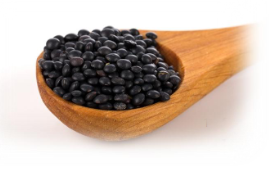
The most commonly consumed variety of black bean is the black turtle bean, known for its small, shiny, jet-black appearance and dense, creamy interior. Other varieties include Midnight Black and Condor beans, which differ slightly in size, texture, or maturation rate. Black beans are a rich source of anthocyanins, potent antioxidants that are responsible for the blue-purple hue in many foods. Here are 3 fun facts about black beans:- NASA studied black beans for space missions due to their high nutrient density and long shelf life, making them a prime candidate for sustainable extraterrestrial diets.
- In ancient Aztec rituals, black beans were considered sacred and were sometimes used as offerings to the gods.
- A traditional Mexican superstition suggests that placing a few black beans in the pantry will protect the household’s food stores.
Black Bean Nutrition
Black beans are an exceptional source of both macro- and micronutrients. A rients. A one-cup serving (approximately 172 grams) of cooked black beans provides:
- Almost 15 grams of protein. This makes black beans a great plant protein source.
- Almost 17 grams of fiber. With a nice mix of both soluble and insoluble fiber, black beans have a low glycemic index and are a great source of prebiotics (food) for gut bacteria.
- Over 60% of the Recommended Daily Allowance (RDA) for folate.
This is an incredible contribution as folate is critical for DNA synthesis and prenatal health. - About 20% of the RDA for iron. Help to maximize absorption by pairing the beans with vitamin C-rich foods such as red bell peppers.
- About 10-20% of the RDA for several trace minerals such as calcium, magnesium, potassium, and zinc.
- An impressive mix of phytochemicals and antioxidants. Black beans provide many phytochemicals with both anti-inflammatory and antioxidant potential. Good examples are anthocyanins, flavonoids, phenolic acids, and phytosterols.
As an added bonus, black beans are low in fat and naturally free of cholesterol. Their nutrient density and affordability make them an excellent protein choice for all those wishing to ensure nutritional adequacy while reducing the risk of chronic disease. From a nutritional perspective, there are slight variations among these varieties. Black turtle beans, the most widely grown, offer the same robust profile of fiber, protein, folate, and phytonutrients as other black bean types. Taste and cooking time vary slightly, but in terms of health benefits, all varieties are comparable.
Black Bean History
Black beans are indigenous to the Americas and have been cultivated for over 7,000 years. Archaeological evidence points to their early domestication in Mesoamerica, where they were a central component of the “Three Sisters” agricultural system alongside corn and squash. This trio not only provided good nutrition but also demonstrated early principles of sustainable farming.
In Latin America, particularly in countries like Mexico, Brazil, and Cuba, black beans have been a dietary mainstay for centuries. Their presence in everyday meals is a testament to their adaptability, affordability, and nutritional power. Beyond the Americas, black beans have found their way into global pantries, influenced by migration, trade, and culinary exchange. In Caribbean, African, and even some Asian cuisines, black beans have been integrated into traditional dishes.
Culinary Applications Around the World
Black beans are extraordinarily versatile, featuring prominently in both simple fare and festive dishes. Their earthy flavor and meaty texture make them suitable for soups, stews, spreads, and entrees. Here are a few notable examples:
- Latin America:
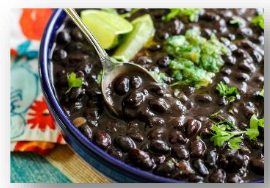
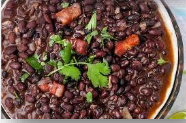
- Frijoles Negros: A Cuban-style slow-simmered black bean stew with onions, garlic, oregano, and vinegar
- Feijoada: Brazil’s national dish, a black bean stew traditionally cooked with meat, but easily adapted to plant-based variations.
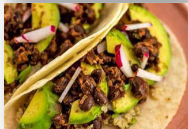
- Tacos de Frijoles: In Mexico, mashed or whole black beans serve as a hearty taco filling, often accompanied by salsa and avocado.
- Caribbean:
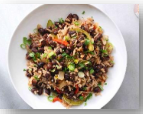
- Rice and Peas: In Jamaica and other Caribbean islands, black beans are often used in this staple dish, cooked with coconut milk, thyme, and scallions.
- Asia:
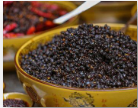
- While less traditional in East Asian cuisines, black beans have found a home in fusion dishes, such as black bean noodle bowls or stir-fries. Most black beans used in Asian cuisine are black soybeans, which are commonly used in black bean sauce and fermented black beans.
- United States and Canada:
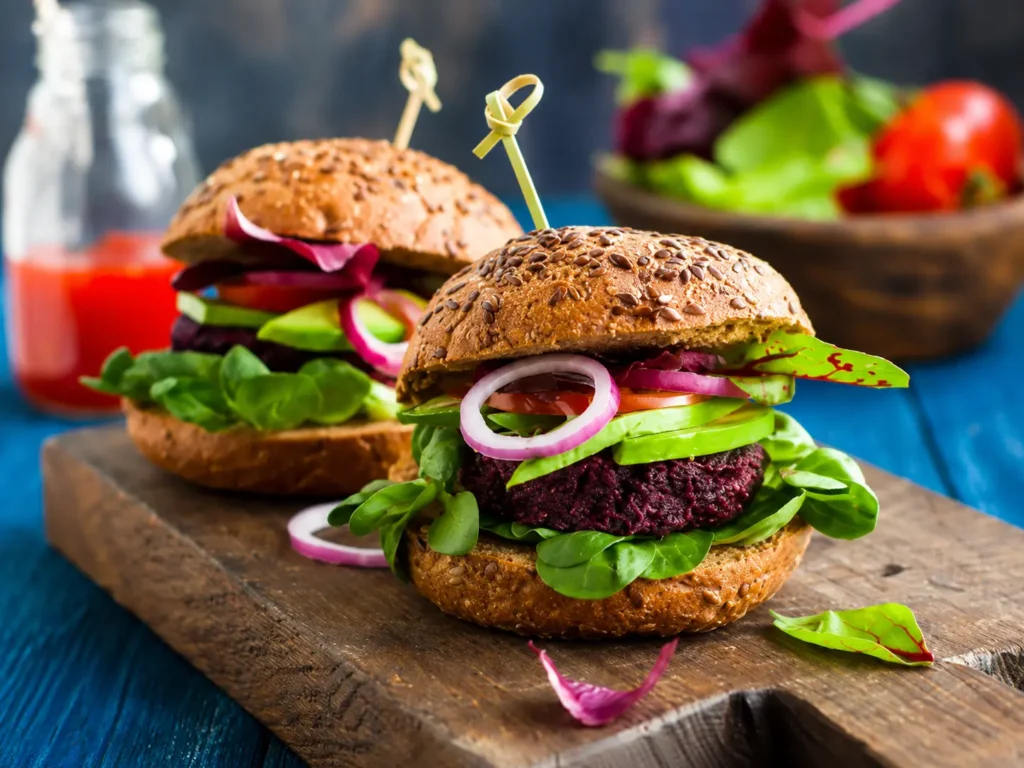
- Black Bean Burgers and Chili: Popularized within the plant-based movement, these modern interpretations highlight the bean’s adaptability.
How to Boost Black Bean Intake
Integrating black beans into daily meals can be both easy and delicious. Here are some simple strategies:- Meal Prepping: Batch cook a pot of black beans at the start of the week for use in soups, grain bowls, tacos, or salads.
- Blended Applications: Add pureed black beans to dips, sauces, or even baked goods like brownies for additional fiber and moisture.
- Protein Substitution: Replace animal-based proteins in traditional recipes-like shepherd’s pie, enchiladas, or stuffed peppers-with black beans.
- On-the-Go Options: Prepare bean wraps, grain salads, or veggie patties that are portable and balanced for busy schedules.
- Breakfast Integration: Include black beans in savory breakfasts like breakfast burritos.
Best Practices for Preparing Dried Black Beans
While canned black beans offer convenience, preparing them from scratch is more cost-effective. To prepare dry black beans, follow these steps:
- Sort and Rinse: Remove any debris and rinse thoroughly.
- Soaking: Soak for 8-24 hours in ample water (at least 3-4 cups per cup of beans) to improve digestibility. Adding a splash of lemon juice or apple cider vinegar can help too. Rinse before cooking.
- Cooking: Simmer beans in fresh water with aromatics (e.g., onion, bay leaf, garlic), if desired, for 60-90 minutes until tender. If you have an Instant Pot, you can cut cooking time down to less than half that.
- Storage: Cooked beans can be refrigerated for up to 5 days or frozen in portioned containers for long-term use.
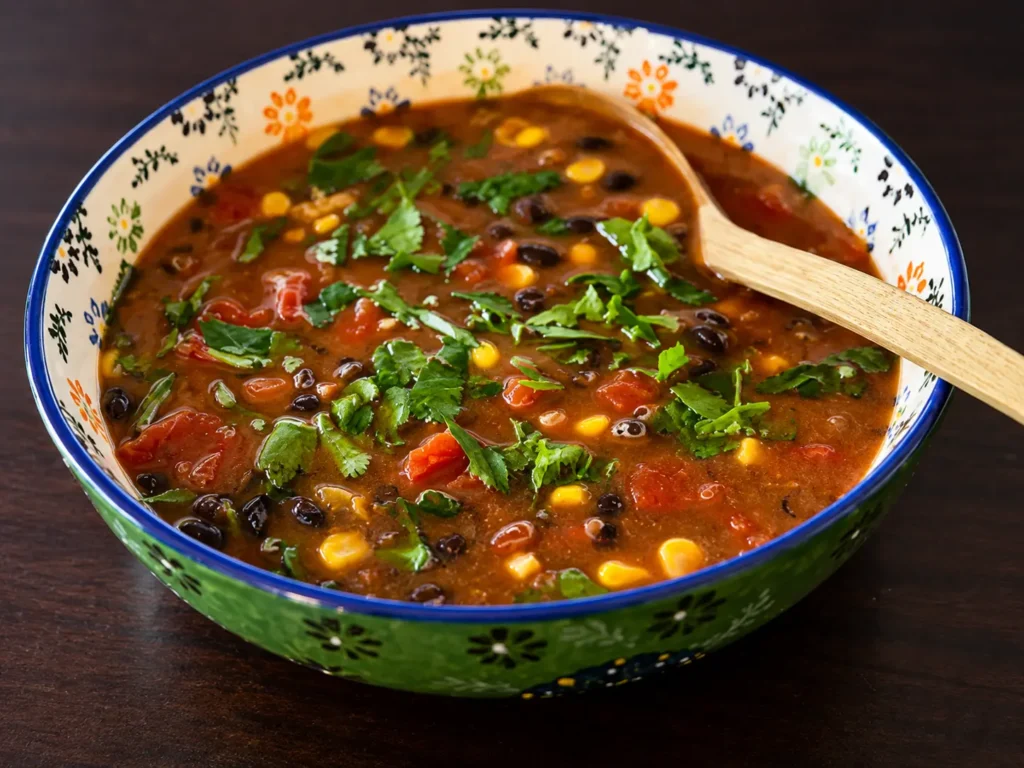
Black Bean Salsa Soup
Makes 4-6 servings
A hearty, protein-rich soup featuring black beans, aromatic spices, and a flavor-boosting shortcut-salsa. This one-pot, nutrient-dense meal is perfect for batch cooking, offering a high-fiber, low-fat option that supports digestive health and satiety. Feel free to increase the salsa to 2 cups (a small jar will provide 1 ½-2 cups, so you can feel free to use the whole jar). To keep sodium down, use unsalted black beans and water instead of broth (or low-sodium broth). For a thicker soup, cut the broth to 2 cups. If you want a little creamier soup, skip the mashing of beans and blend 2 cups of beans with the broth before adding to the soup. Serve with avocado toast topped with sunflower sprouts, if desired.
Ingredients
- 4 cups cooked black beans (or two 19-oz cans, drained and rinsed)
- 1½ cups tomato-based salsa (medium spicy or to your taste)
- 14-ounce can crushed or diced tomatoes
- 3 cups vegetable broth
- 1½ cups frozen corn
- 1½ teaspoons ground cumin
- ½ teaspoon smoked paprika
- 1½ teaspoons chili powder
- Fresh ground pepper
¼ cup fresh cilantro, chopped (optional, for garnish) - Wedges of fresh lime to squeeze on top
Instructions:
- Place black beans in a pot and mash, leaving some of the beans whole. Add corn, salsa, crushed tomatoes, vegetable broth, cumin, smoked paprika, and chili powder.
- Simmer for 20-30 minutes to allow flavors to meld.
- Stir in black pepper and optional lime juice. Adjust seasoning to taste.
- Pour into bowls and garnish with fresh cilantro, if desired.
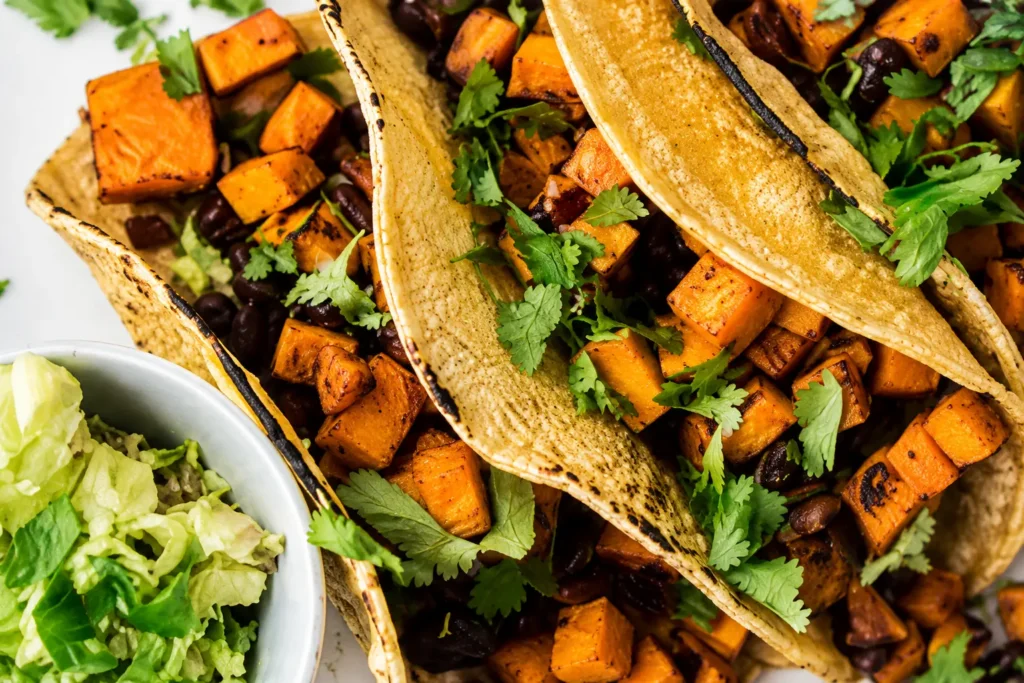
Black Bean and Sweet Potato Tacos with Lime-Cashew Cream
Makes 4 servings (8 tacos) A vibrant, fiber-rich plant-based taco recipe combining smoky roasted sweet potatoes, protein-dense black beans, and a tangy lime-cashew cream-all nestled in warm corn tortillas. Each serving provides about 16 grams of protein and 12-14 grams of fiber. This dish offers a satisfying balance of sweet, savory, and zesty flavors, making it ideal for weeknight dinners or meal prep.Ingredients
- 8 small corn or wheat tortillas
- 1 cup shredded red or green cabbage
- ½ cup chopped fresh cilantro
- Optional toppings: salsa, guacamole or avocado cubes, lime wedges to squeeze on tacos, hot sauce
For the Filling:
- 1 large sweet potato, peeled and diced into ½-inch cubes (~2½ cups)
- ¼ teaspoon ground cumin
- ¼ teaspoon chili powder
- ¼ teaspoon smoked paprika
- 1½ cups cooked black beans (or 1 15-oz can, drained and rinsed)
Salt & pepper to taste
- ½ cup raw cashews (soaked for 1-4 hours, or 30 minutes in boiling water)
- ¼ cup water (plus more to adjust texture)
- 2 tablespoons fresh lime juice
- ½ teaspoon lime zest
- 1 clove garlic
- ¼ teaspoon sea salt
Instructions
- Roast the Sweet Potatoes: Preheat oven to 400°F (200°C). On a lined baking sheet, spray sweet potatoes with an oil spray or water, then toss them with cumin, chili powder, smoked paprika, salt, and pepper. Roast for 25-30 minutes, until tender and slightly crispy.
- Prepare the Cream: While potatoes roast, blend the soaked cashews, lime
juice, lime zest, garlic, salt, and water in a high-speed blender until smooth and creamy. Adjust consistency with more water if needed. - Warm the Beans: Heat black beans in a saucepan over low heat. Season lightly with salt and pepper and keep warm.
- Heat the tortillas. Use a dry skillet and heat the tortillas one at a time for 15-
30 seconds on each side, then place them in tin foil in the oven to keep warm. Alternatively, you can simply put the tortillas in tin foil in the oven during the last 10 minutes of cooking the sweet potatoes. They will not have the nice toasty flavor you get with dry heating in a frying pan, but this removes a step. - Assemble the Tacos: Place a scoop of black beans, a portion of roasted
sweet potatoes, shredded cabbage, and a generous drizzle of lime-cashew cream on each taco. Garnish with cilantro and any optional toppings desired.
Black Bean Brownies
Makes 12 brownies
These brownies are absolutely delicious and good for you! If using unsalted beans, you can add a pinch of salt to the recipe, if desired.
Ingredients
- 1-1/2 cups (375 ml) cooked black beans or 1 can (15 oz/450 ml) black beans, drained and rinsed
- 1 cup (250 ml) dates (steam, if dry)
- 3 tablespoons (45 ml) almond or other nut butter
- 1 teaspoon (5 ml) vanilla
- 1/3 cup (80 ml) cocoa powder
- 3 tablespoons (45 ml) ground chia or flax seeds
- ½ cup (125 ml) coarsely chopped walnuts
Instructions
- Preheat oven to 200 degrees F (95 degrees C).
- Spray an 8 x 8-inch (20 x 20 cm) baking pan or line the pan with parchment paper.
- Process all ingredients except the walnuts in a food processor and process until smooth.
- Fold in walnuts and pulse just to distribute walnuts through the dough.
- Pat into the baking pan. Cover with foil and bake for 1 1/2 hours.
- Cool. Frost with Cocoa Fudge Frosting. Store in the refrigerator or freezer.
Cocoa Fudge Frosting
- 1½ cup (125 ml) dates
- ¼ cup (185 ml) boiling water
- ¼ cup (60 ml) cocoa powder
- 1½ cup nut or seed butter
- 1 teaspoon (5 ml) vanilla
- Put the dates in a heatproof bowl. Add the boiling water and let soak until soft, about 10 minutes.
- Transfer the dates and the soaking liquid to a food processor.
- Add the nut butter, cocoa powder, and vanilla extract and process until smooth, stopping occasionally to scrape down the bowl.
