
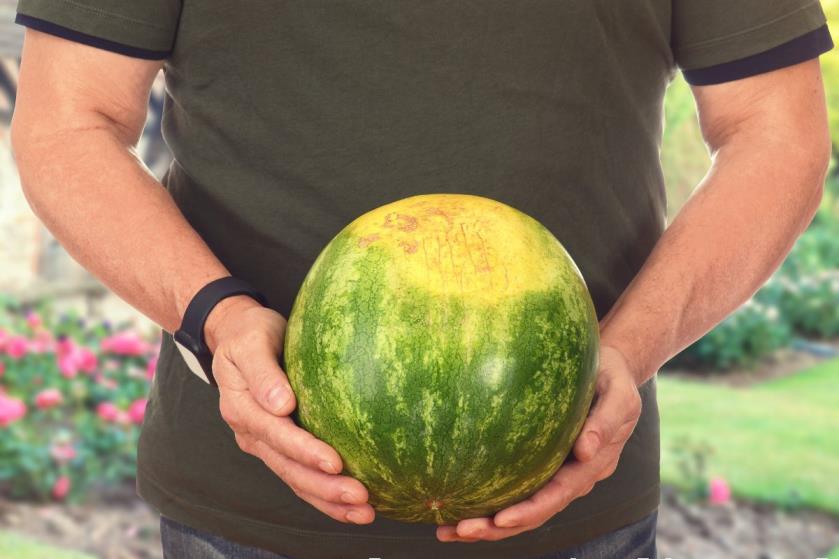
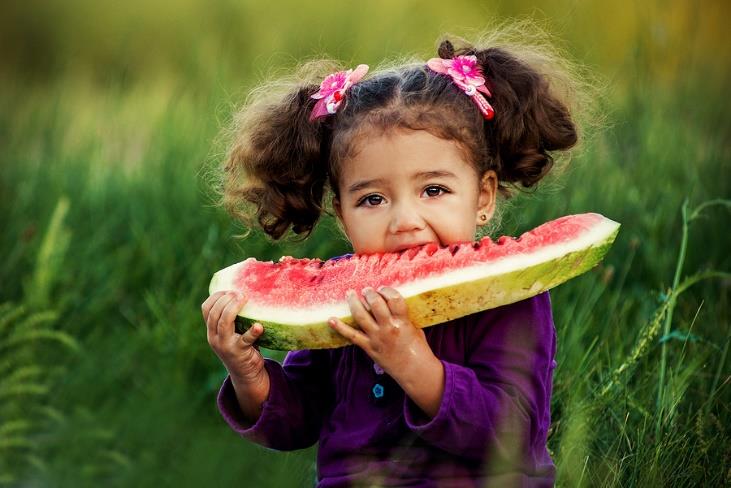




Summer and watermelon go hand in hand. There is nothing like a plate of cold and crispy watermelon on a hot summer’s day. While everyone knows that watermelon is a tasty treat, not everyone is aware of the great nutrition in watermelon. When I was in university, our professor had students draw the name of a food item from a hat, look up its nutritional value, and share their findings with the class. I will never forget how surprised she was by learning about the nutritional profile of watermelon. She told the class that she had always thought watermelon was tasty but was nothing special from a nutrition perspective. If you are a watermelon fan, I think you will enjoy learning about watermelon nutrition, and many other interesting watermelon facts. If you always serve watermelon as a snack or dessert, you will love discovering new ways of preparing this wonderful fruit.
Watermelon is a member of the Cucurbitaceae family. While we lump watermelons into the melon category, they’re botanically classified as a type of berry called a pepo. Watermelon originated in Africa, where wild varieties have grown for over 5,000 years. In many African cultures, watermelon is an important water source during dry seasons. Some tribes used to bury watermelons in the sand for preservation, ensuring a water source when other options were scarce.
Watermelons were introduced in Europe during the 7th century gradually spreading across the continent and becoming particularly popular in
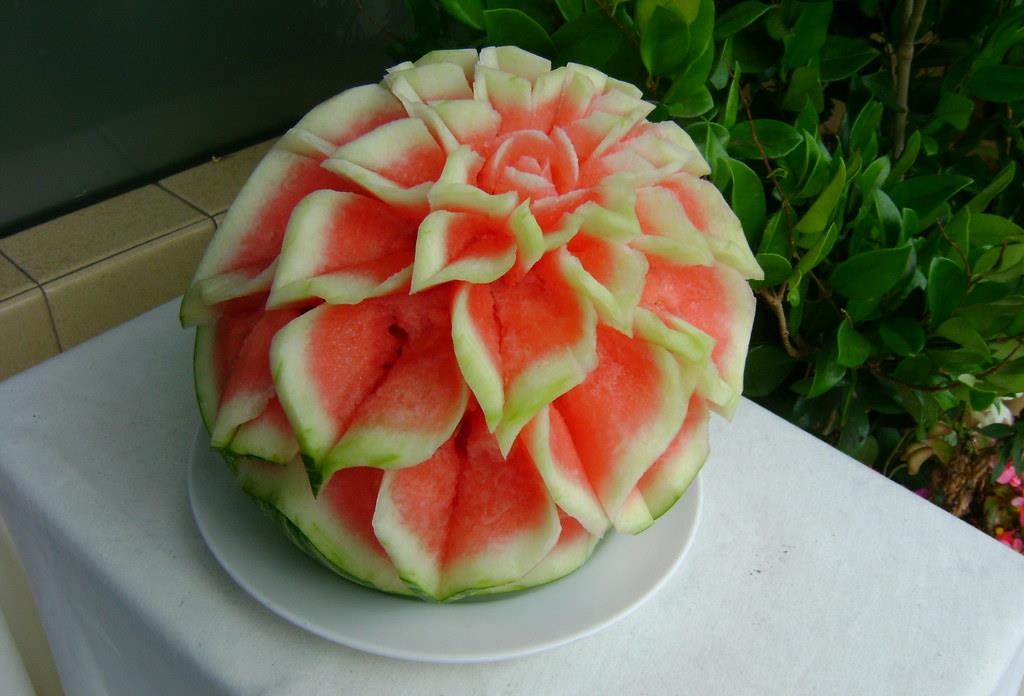
Mediterranean countries. They reached China by the 10th century and the Chinese developed new varieties and techniques for cultivation, contributing to the watermelon’s diversity. In China, watermelon is associated with good fortune and happiness. The Chinese developed the tradition of watermelon carving, creating intricate designs on the rind for special occasions. I received such a watermelon when I was welcomed to Calgary at a wonderful vegan Taiwanese restaurant.
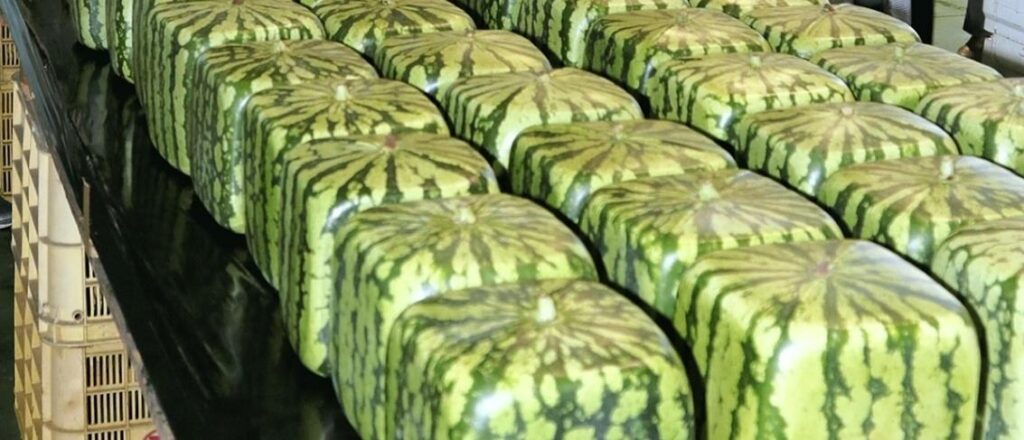
In Japan, square watermelons were developed in the 1980s, not just as a novelty but as a practical solution for easier storage in refrigerators. These unusually shaped melons have since become luxury gift items.
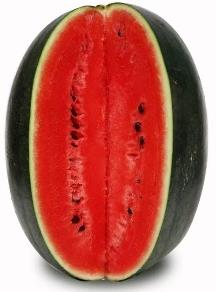
1. Crimson Sweet – sweet and juicy seeded watermelon with deep red, juicy flesh. Although it is seeded, there are relatively
few small black seeds.
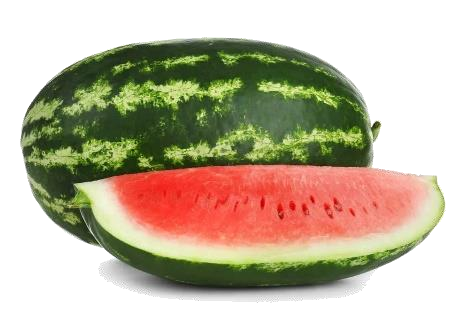
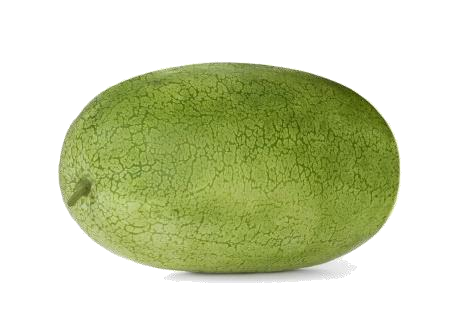
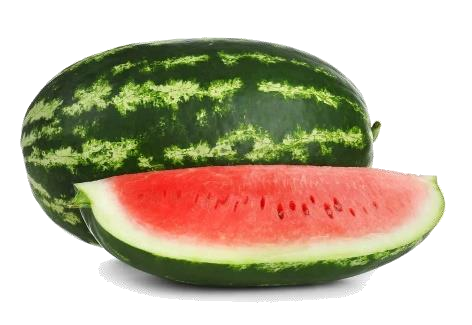
2. Jubilee – large, oval watermelons weighing about 25 to 35 pounds. They have a thick, light green rind with thin dark green stripes. While traditionally seeded, there are now seedless Jubilees available.
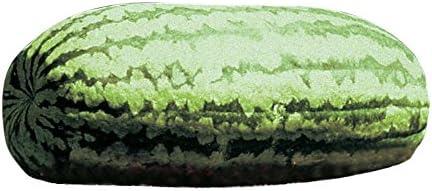
3. Charleston Gray – 20-30 pound seeded melon with bright red flesh and a thick light green rind with darker green markings. It is less sweet than many other varieties.
4. Allsweet – large, oblong, seeded watermelons, weighing 25-30 pounds, with alternating dark and light green stripes. Flesh is bright red, firm, and sweet.
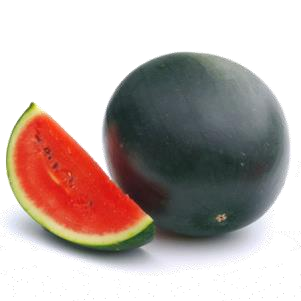
5. Black Diamond – round, seeded watermelon with a deep green rind. The flesh is deep red and very juicy. This is a large 15-50 pound watermelon
6. Carolina Cross – a big, oval, seeded watermelon that can grow to 100-200 pounds. The rind is thick and light green with darker green markings.
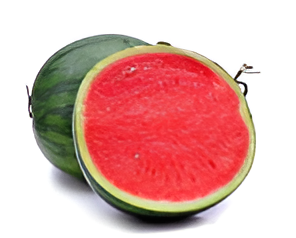
7. Sugar Baby – a compact 8 to 12-pound, seedless, round melon with very dark green rind. The flesh is deep red, super sweet, and very juicy.
8. Big Tasty – seedless hybrid is small, crisp, and extraordinarily flavorful. In a taste test, it beat out 50 other varieties.
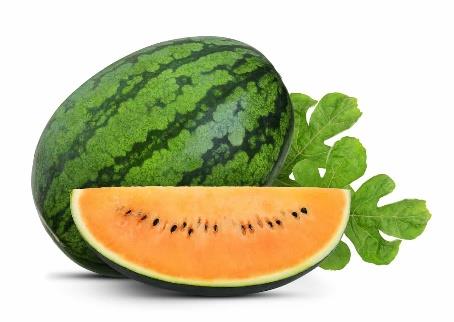
9. Orangeglo – this is a hybrid variety that is a cross between an orange and a watermelon. It has bright orange flesh and green striped rind. It is a sweet melon with a hint of citrus and can weigh up to 30 pounds.
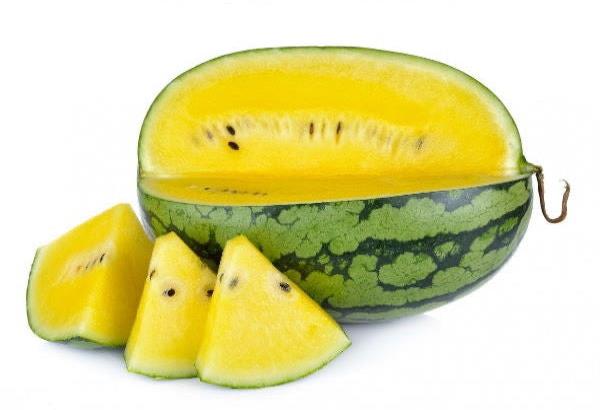
10. Yellow and Yellow Baby – these watermelons have a light green rind with dark green stripes and yellow flesh. Yellow melons tend to be milder in flavor and
If you are not eating your watermelon right away, store it on the countertop out of direct sunlight. Fresh watermelon will usually store well in a cool room for 1-2 weeks. If you know your watermelon is very ripe, put the entire melon in the fridge. When in the fridge, it will keep for 2-3 weeks. Once the watermelon is sliced, store it in the refrigerator in an airtight container or cut side-down on a plate.
The most common way to eat watermelon is to slice it into wedges, cubes, or balls and enjoy it fresh. However, you might be surprised to learn that there are many other ways to enjoy this fruit.
So, what nutrients in watermelon surprised my professor? I think it was the levels of pro-vitamin A carotenoids, vitamin C, and potassium that were a surprise to her. Although watermelon is well over 90% water, it comes packaged with impressive nutrition.
A 2-cup (300 g) serving of watermelon contains less than 100 calories (92 to be exact), about 23 grams of carbohydrates, almost 2 grams of protein, 1.2 grams fiber, and very little fat (0.4 grams).
Watermelon is rich in vitamins and minerals. A 2-cup serving provides:
One of the most notable features of watermelon is its high lycopene content. Lycopene is a powerful antioxidant that gives watermelon its red color and has been associated with various health benefits, including reduced risk of prostate cancer and improved heart health. Watermelon is one of the best dietary sources of lycopene, even topping tomatoes in some cases.
Watermelon seeds, often discarded, are rich in protein, fatty acids, and minerals like magnesium, zinc, and iron.
It’s worth noting that while watermelon is nutritious, it has a high glycemic index of 72. However, its glycemic load is low because of its high water content. This means it doesn’t cause large spikes in blood sugar when consumed in moderate amounts.
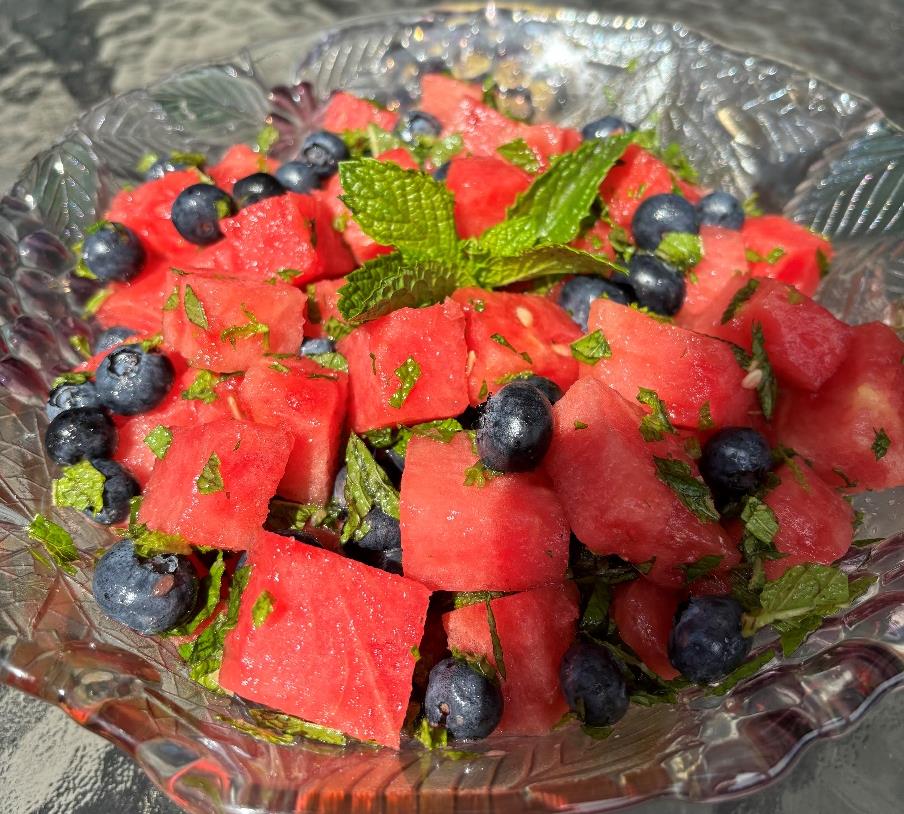
Minty Watermelon Salad
Makes 6 servings
This super simple salad is light, flavorful, and gorgeous! Serve with grilled tofu or tempeh and veggies.
Salad
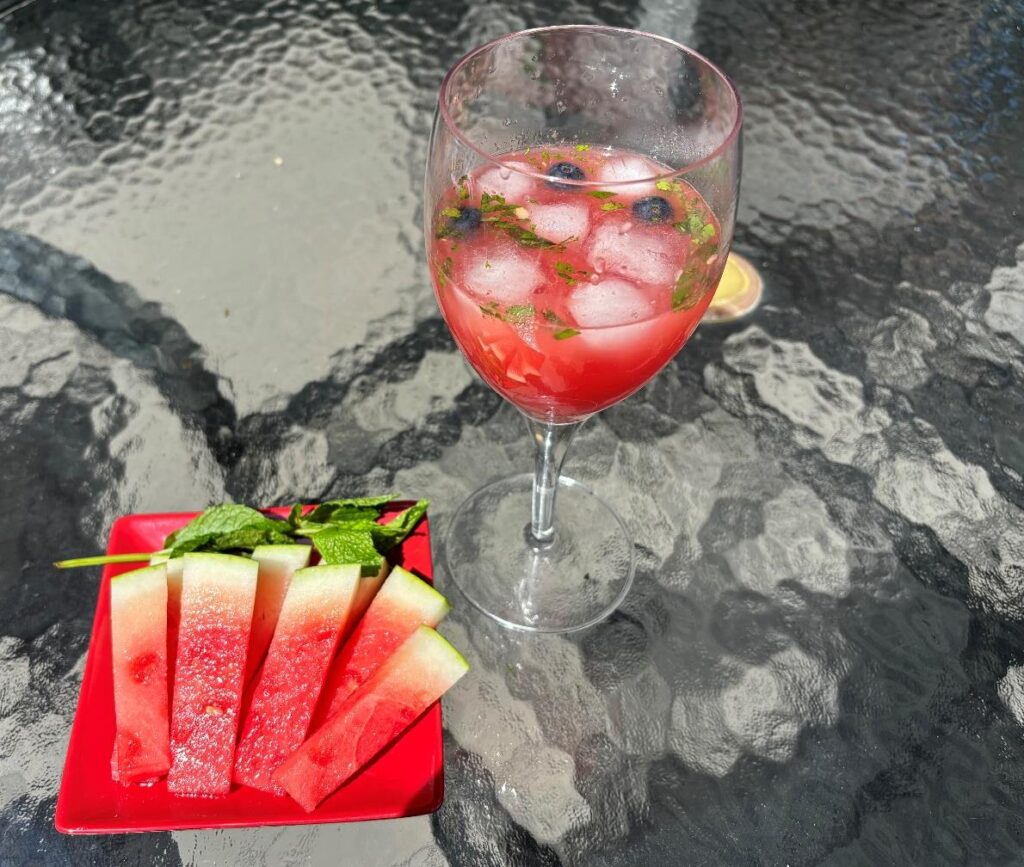
Watermelon Juice
Makes 2 servings
This is an incredibly refreshing beverage. It is great to serve at a barbeque with
guests. Instead of, or in addition to the lime, add the juice of 1 freshly
squeezed lemon, orange, or grapefruit.
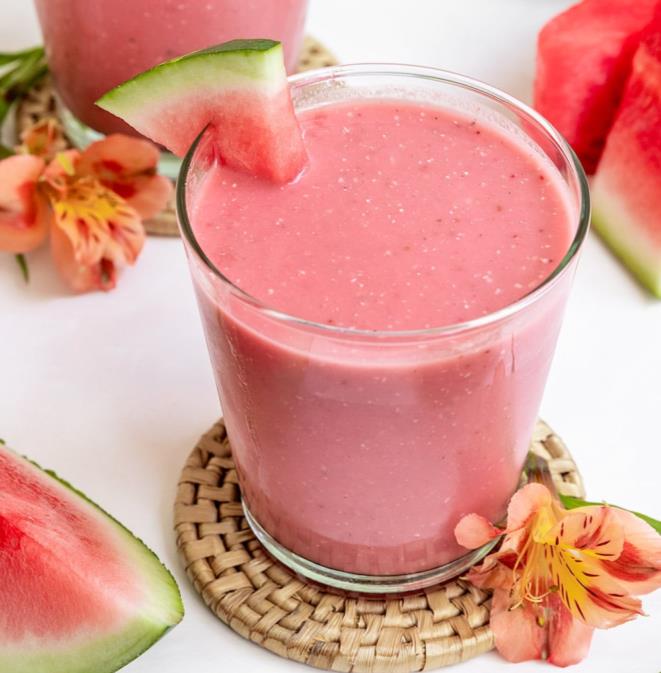
Watermelon Smoothie
Makes 2 servings
Watermelon is the perfect addition to a summer fruit smoothie. Enjoy!
This article was originally written for So Many Cooks in the Kitchen. Brenda Davis, RD is a plant-based pioneer and author/co-author of 13 books on plantbased diets. She is co-Author of Nourish: the definitive plant-based nutrition guide for families, Becoming Vegan: Comprehensive and Express Editions and Kick Diabetes Essentials. www.brendadavisrd.com
Copyright © 2026 Brenda Davis RD. All Rights Reserved.
Made with ❤️ in the Shuswap by inTechrity