


Humans are hard-wired to be attracted to sweet foods. This is because in nature sweet foods tend to be safe to eat and provide a good source of calories. They also trigger a dopamine release in the brain, providing pleasure. This natural proclivity towards sweet foods is further reinforced by cultural and social forces.
Most cultures have traditional sweet dishes that are associated with celebration, social connection, and enjoyment.
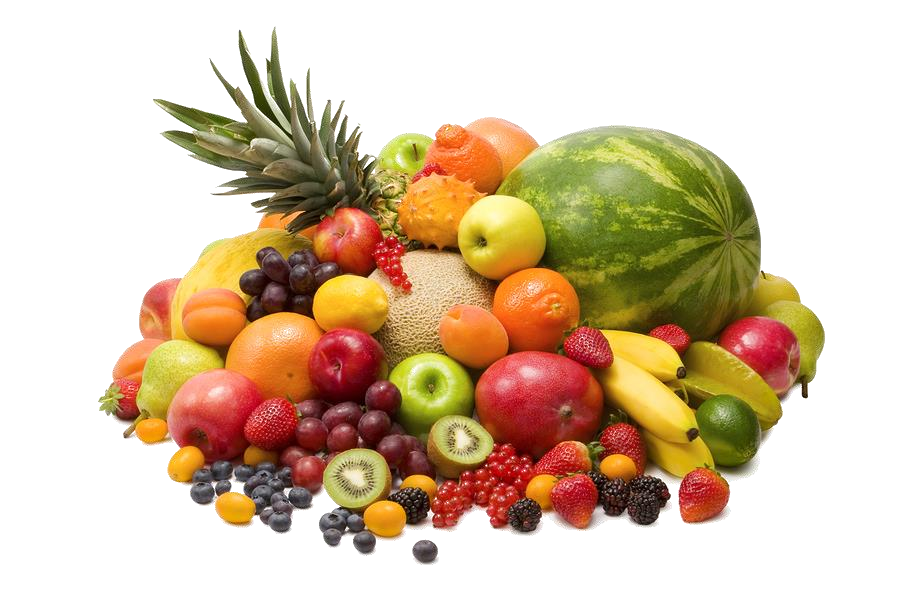
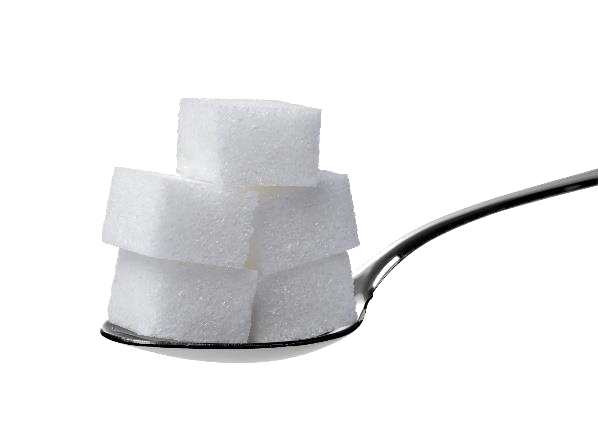
The one category of foods that is naturally sweet is fruit – fresh, frozen, stewed, baked, or dried. Fruit is an ideal sweet treat, providing significant advantages over added sugars. When sugar is intrinsic to a whole food such as fruit, it is packaged with fiber, phytochemicals, antioxidants, and a host of vitamins and minerals. Dried fruits can be used in place of sugar in homemade cereals, baked goods, desserts, and treats. Although they are naturally high in sugar, they are healthful alternatives to sugar due to their high fiber and nutrient content.
How Much Added Sugar is Too Much?
Added sugars are associated with a laundry list of adverse health effects. In a 2023 umbrella review of sugar and health, which included over 8,600 articles1 added sugars were reported to have significant harmful associations with:
- 18 endocrine/metabolic outcomes
- 10 cardiovascular outcomes
- 7 cancer outcomes
- 10 other outcomes (neuropsychiatric, dental, hepatic, osteal, and allergic)
The authors recommended that consumers keep added sugars to below 25 grams (about 6 teaspoons) per day and sweet beverages to less than one serving per week. For most people, this means no more than 5% of calories from added sugars. This is similar to recommendations from the World Health Organization and the American Heart Association. While 6 teaspoons of sugar may seem like a lot, the average American adult consumes about 17 teaspoons. A single serving of sweet food, like a can of soda, a large cinnamon bun, a flavored coffee, or a cup of fruit yogurt can easily provide 10-12 teaspoons!

So how can we reach this target? Here are my top six tips for slashing sugar:
- Rewire your taste buds. Excess sugar causes a spike in dopamine that makes you feel good, but when dopamine falls, you crave more sugar. The cycle leads to tolerance, so you need more sugar to get the same reward. The good news is that by decreasing your sugar intake, you can re-adjust your taste buds and re-wire your brain to crave sugar less. If you are a big consumer of added sugars, you may need to reduce your intake gradually. Cut intake in half for a week, then in half again, until you are using little or none.
- Steer clear of beverages with added sugars. Nearly half of the sugar in American diets comes from sweet beverages. The average 12-ounce serving of soda or “fruit drink” packs about 150 calories from sugar. That is close to 10 teaspoons of sugar per serving – some have even more. Consuming sugar-sweetened beverages is strongly linked to weight gain and diabetes risk. When we drink our calories, the body fails to register those calories with the appetite control center the way it does when we eat solid food. The bottom line is simple – avoid ALL sugar-sweetened beverages – soda, energy drinks, sports beverages, sweetened coffee or tea beverages, fruit drinks, and sweet alcoholic beverages.
- Eat whole foods instead of packaged foods. Most of our added sugars come from highly processed foods. Cutting out or cutting down on these foods will dramatically reduce sugar intake. Often products that you might assume are low in sugar are not. For example, tomato sauce, barbeque sauce, ketchup, and many other ready-made sauces are mostly sugar, as are many low-fat salad dressings. Instant oatmeal, granola bars, bottled smoothies, canned fruits, and ready-to-eat breakfast cereals are often high in sugar. See the table below for the amount of sugar in common foods.
- If you eat packaged foods, read the label, and select products with less added sugar. On the Nutrition Facts panel, check the serving size – servings are often smaller than you might imagine. To determine the number of teaspoons of sugar per serving of food, go to the Nutrition Facts. Find the total grams of sugar and divide this number by 4 (The precise conversion is 4.2 grams per teaspoon; rounding down to 4 makes for easier calculation). So, 16 grams of sugar in a serving of food would equal about 4 teaspoons. Compare sugar content of foods when making a selection at the supermarket. Purchase “unsweetened” or “no added sugar” products such as non-dairy milk, applesauce, nut butter, oatmeal, and canned fruit.
- Don’t be duped into believing that more natural sugars are free game. The simple truth is that the differences between various concentrated sugars are of relatively minor consequence to health. Most sugars are essentially glucose, fructose, or some combination of the two. If you do need a little sugar for a recipe, the most nutrient-dense choices are blackstrap molasses, date sugar, and pure maple syrup.
- Take advantage of herbs and spices to flavor foods instead of sugar. Use vanilla bean or vanilla extract, citrus zest, or spices like allspice, cardamom, cinnamon, ginger, nutmeg, and star anise to bring out the natural sweetness in foods. Not only are they sugar-free, but they are great sources of antioxidants and phytochemicals. Add to cereals, puddings, baked goods, and beverages. Some of these seasonings also work well in main dishes. You can enhance the flavor of commonly sweetened foods such as pasta sauce with herbs and caramelized onion. Root vegetables such as carrots and beets also add sweetness to main and side dishes.
Sugar Content of Common Packaged Foods
| Food | Serving Size |
Sugar (grams) |
Teaspoons Sugar (1 tsp = 4 grams) |
|---|---|---|---|
| Milkshake, chocolate | 16 oz | 144 | 36 |
| Ice cream, soft, vanilla waffle cone | 1 medium cone | 57 | 14 |
|
Fruit smoothie (commercial, bottled) |
2 cups | 50 | 12.5 |
| Soda, cola | 12 oz can | 44 | 11 |
| Fruit cocktail, canned in heavy syrup | 1 cup | 44 | 11 |
| Soy chocolate ice cream | 1 cup | 44 | 11 |
| Applesauce, canned, sweetened | 1 cup | 36 | 9 |
| Ice cream, mint chip | 1 cup | 34 | 8.5 |
| Apple pie, commercial | 1 slice (1/8th of pie) | 29 | 7.5 |
| Yogurt, low-fat, Greek, strawberry | 1 cup | 27 | 7 |
| Coconut yogurt, blueberry | 1 cup | 27 | 7 |
| Chocolate bar, Snickers | 1 (1.66 oz) bar | 22 | 5.5 |
| Baked beans | 1 cup | 20 | 5 |
| Almond milk, vanilla | 1 c | 14 | 3.5 |
| Cereal, frosted flakes | 1 c | 14 | 3.5 |
| Cookies, chocolate chip | 2 | 14 | 3.5 |
| Chocolate bar, 70% cocoa | 50 g (1/2 large bar) | 12 | 3 |
| Granola | 1/2 c (125 ml) | 12 | 3 |
| Donut, glazed | 1 | 10 | 2.5 |
| Granola Bar | 1 bar | 10 | 2.5 |
| Soymilk (Vanilla) | 1 c | 8 | 2 |
| Chocolate bar, 85% cocoa | 50 g (1/2 large bar) | 8 | 2 |
| Raspberry Balsamic Vinaigrette | 2 tablespoons | 8 | 2 |
| Ketchup | 2 tablespoons | 8 | 2 |
| Soymilk (Original) | 1 cup | 6 | 1.5 |
Source: fooddatacentral https://fdc.nal.usda.gov/
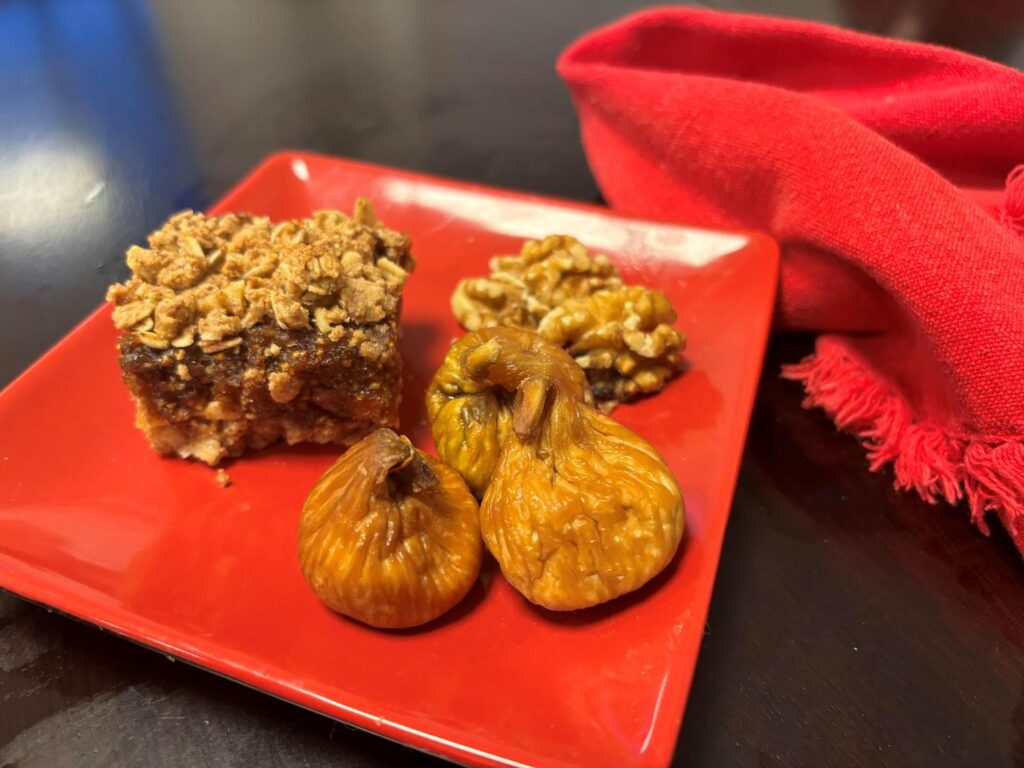
Figgy Date Squares
Makes 20 squares.
These little sweet treats are very similar to date squares but with the addition of figs and much healthier! If you prefer, you can replace the figs with dates to make traditional date squares. Any nut butter will work, but cashew butter is really good in this recipe. Sliced into 20 squares, each square has about 1.5 teaspoons of added sugars (from the maple syrup).
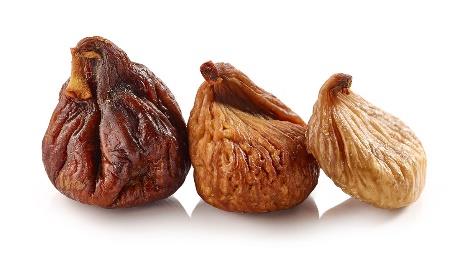
- 2 cups dried figs, chopped
- 2/3 cup dates, pitted and chopped
- 1/2 cup water
- ¼ cup orange juice (about 1 fresh squeezed orange)
- 1 teaspoon vanilla extract
Crust/Topping
- 2/3 cup nut butter
- 2/3 cup maple syrup
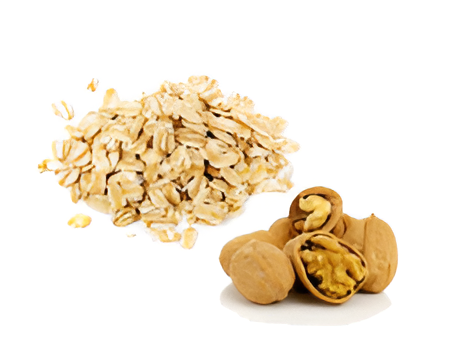
- 2 cups rolled oats
- 1 cup whole wheat flour (or other flour)
- 1 cup walnuts, finely chopped
- 1 teaspoon cinnamon
- ¼ teaspoon nutmeg
- ½ teaspoon salt
- Preheat oven to 350 degrees F. Spray or line (with parchment paper) an 8 x
11-inch baking pan. - Prepare the filling. Combine the figs, dates, water, and orange juice in a medium saucepan over low to medium heat for about 10 minutes or until the fruit is soft. Transfer to a food processor and add the vanilla extract. Puree until fairly smooth.
- Prepare the crust/topping. In a small bowl, combine the nut butter and maple syrup. In a large bowl, stir together the oats, whole wheat flour, walnuts, cinnamon, nutmeg, and salt. Pour the liquid ingredients into the large bowl of dry ingredients and stir to combine.
- Assemble the square. Use about 2/3 of the crust to line the bottom of thebaking pan. Using a spatula, spread the fig/date filling over the crust. Sprinkle the remaining topping over the filling.
- Bake for about 25 minutes or until lightly browned. Let the squares cool before slicing. Store in an airtight container in the refrigerator for up to a week. They freeze well.
Maple Pecan Stuffed Pears
Makes 8 stuffed pear halves.
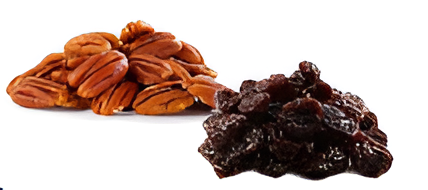
Baked fruit is such a treat in the cooler months. We use pears in this recipe, but these can be replaced with apples. The stuffing for these pears features pecans, dried cherries, and maple syrup. The pecans can be replaced with walnuts and the cherries with cranberries, currants, or raisins. Top with cashew pear cream or other favorite plant-based whipping cream, if desired. Each pear half has less than
1 teaspoon of added sugar (as maple syrup).
- 4 medium to large ripe pears (Anjou, Barlett, or Bosc)
- 1/3 cup rolled oats
- 1/3 cup pecans, coarsely chopped
- ¼ cup dried cherries, coarsely chopped
- ¼ teaspoon cinnamon, plus extra for sprinkling
- Pinch of salt (optional)
- 2½ tablespoons maple syrup, plus extra for brushing on pears (optional)
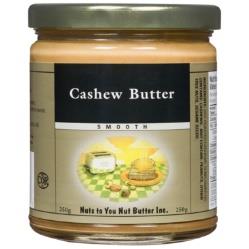
- 2½ tablespoons cashew butter (or other nut butter)
- Preheat oven to 375 degrees F.
- Line a 9 x 13 pan with a silicon mat or parchment paper.
- In a small bowl, stir the maple syrup and cashew butter together.
- In another small bowl, combine the oats, pecans, cherries, cinnamon, and salt, if using.
- Pour the maple syrup and cashew butter mixture over the dry ingredients and stir together well.
- Cut pears in half lengthwise. Scoop out the seeds with a spoon or melon baller. You can also cut a small slice off the back so the pears stay in place on the pan (this is optional). Arrange the pears in the pan.
- Brush each pear with a little maple syrup, then stuff with the filling (about 2 generous tablespoons for each). Sprinkle cinnamon over the pear halves.
- Bake pears for 30-40 minutes or until tender. Cooking time will differ with size and variety of pear you are using



This article was originally written for So Many Cooks in the Kitchen. Brenda Davis, RD is a plant-based pioneer and author/co-author of 13 books on plantbased diets. She is co-Author of Nourish: the definitive plant-based nutrition guide for families, Becoming Vegan: Comprehensive and Express Editions and Kick Diabetes Essentials. www.brendadavisrd.com