


I never run out of garlic. When I get down to one bulb, it goes on the shopping list. I consider garlic an essential staple and use it almost every day. It goes into my salad dressings and almost every main dish. Sometimes, I roast an entire bulb to add to
dips, pates, or other dishes.
Garlic is an allium vegetable. Each garlic bulb has about 10-20 segments called cloves. There are hundreds of varieties of garlic, each with its own unique flavor, size, and color. These varieties are broadly divided into 2 categories:
- Hardneck. Hardneck garlic generally has a stiff, woody stem called a scape and has fewer cloves per bulb compared to softneck varieties. They often have larger cloves, which makes them easier to peel and use. Hardneck garlic has a more robust flavor than softneck. It can be tied into bundles or trimmed and stored for about 4 to 8 months.
- Softneck. Softneck garlic varieties do not typically produce scapes and they have more (but smaller) cloves per bulb than hardneck varieties. They also have a milder flavor. The big advantage of softneck garlic is it can be stored for 10 to 12 months. Its pliable stems can form beautiful braids that allow the garlic to be hung for storage. The skins are tighter around the neck which prevents moisture and disease from getting inside the bulbs.
Elephant garlic doesn’t fit into either category because it is not true garlic. It is an allium vegetable but is a type of leek. The cloves are firm, mild, and very large, making them easy to use. Black garlic can be either hard or softneck. It is made by fermenting whole bulbs of garlic at low temperatures over several weeks. The cloves have a soft but chewy texture and a sweet caramel flavor.
Garlic can be purchased in many forms – fresh, jarred, and dried (in powder, granules, or flakes). My preference is almost always fresh, but the other forms can be convenient, cost-effective, and time-saving. Sometimes in a dip or sauce, dehydrated garlic is preferred. Jarred garlic is milder than fresh garlic and is also very handy. It is typically preserved in oil or vinegar.
Health Benefits of Garlic
Garlic has long been recognized not only as a culinary staple but also as a potent medicinal plant. It contains several sulfur-containing compounds which are thought to be responsible for its strong biological effects. Garlic contains a compound called alliin which is converted by alliinase (an enzyme in garlic) to a more active compound called allicin. When garlic is cooked the alliinase is broken down, so eating some garlic raw can enhance the intake of allicin. You can also chop garlic and let it sit for about 10-15 minutes to allow greater conversion of alliin to allicin before cooking it. Some of the most impressive impacts of garlic include:
- Boosts Immunity. The phytochemicals in garlic have potent antiviral, antibacterial, and antifungal properties. Research suggests that regular consumption of garlic can reduce the severity and duration of colds and flu, thanks to its ability to stimulate immune cells and enhance their activity.
- Reduces Blood Pressure. Garlic has been reported to reduce blood pressure significantly in people with hypertension. Garlic appears to work its magic by reducing the production of angiotensin II, a hormone that increases blood pressure. It may also help improve blood flow by relaxing blood vessels.
- Protects Against Heart Disease and Stroke. Garlic may also lower blood cholesterol levels, thereby reducing the risk of cardiovascular diseases such as heart attacks and strokes. Allicin, the sulfur compound found in garlic, improves blood circulation and helps prevent the formation of blood clots.
- Reduces Inflammation. Garlic has anti-inflammatory properties that can alleviate symptoms associated with conditions like arthritis. Its sulfur compounds help suppress inflammatory pathways in the body, providing relief from pain and swelling.
- Powerful Antioxidant. Oxidative damage from free radicals contributes to aging, cognitive decline, and many other diseases. Some studies suggest that garlic may help protect against cognitive decline.
- Manages Blood Sugar. Compounds found in garlic, such as allicin and allyl propyl disulfide, may help increase insulin sensitivity and promote glucose metabolism, thereby aiding in diabetes management.
- May Help Detoxify Heavy Metals. Garlic supports liver health by aiding in the elimination of toxins from the body. Its sulfur compounds enhance liver function and promote the production of enzymes involved in detoxification processes. Allicin has been reported to reduce levels of lead in the blood and vital organs.
Stinky Stuff.
The one downside of garlic is that it can cause bad breath and body odor in some people. Fortunately, there are ways to minimize the impact.
- Chew parsley or mint.
- Eat citrus fruits such as orange, lemon, or lime.
- Drink green tea.
- Cook garlic.
- Brush and floss teeth.
- Use mouthwash.
Why Do Some Religions Advise
Some (not all) Buddhists avoid garlic completely. You might notice in some Asian vegetarian restaurants, garlic and onions are not in any of the dishes served.

This is because in Buddhist teachings there is an emphasis on mindfulness and meditation practice. Garlic is thought to have stimulating properties that interfere with the calming of the mind and body.

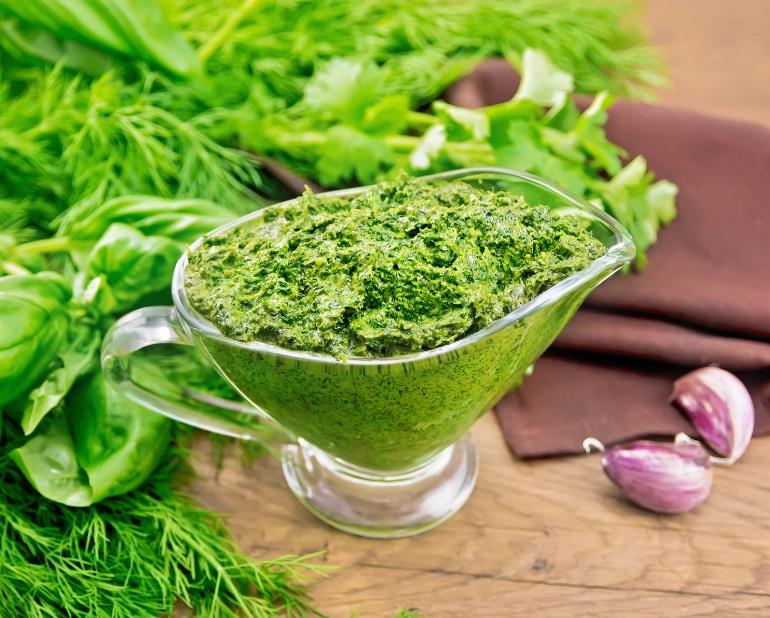
Great Garlicky Pesto
This pesto is fabulous on pasta. The last time I made it, I used it on edamame pasta with a pile of green veggies – broccolini, thinly sliced Brussels sprouts, and spinach. You can use whatever veggies you like.Ingredients
- 2 cups fresh basil leaves, packed
- ¼ cup pine nuts, walnuts, or cashews
- 3 large cloves garlic, peeled
- 4 tablespoons nutritional yeast
- 3 tablespoons lemon juice
- ¼ cup water (more if needed)
- Salt and pepper to taste
Instructions
- In a food processor, combine the pine nuts, garlic, nutritional yeast, and lemon juice. Pulse until the mixture becomes a coarse paste.
- Add the fresh basil leaves to the food processor and pulse until they are finely chopped and well combined with the pine nut mixture.
- While the food processor is running, slowly drizzle in the water until the pesto reaches your desired consistency. You may need to stop and scrape down the sides of the processor as needed.
- Season the pesto with salt and pepper to taste, adjusting as necessary.
- Once the pesto reaches the desired consistency and flavor, transfer it to a serving bowl or container.
- Serve the great garlicky pesto with your favorite pasta.
- Store leftovers in the refrigerator for up to 1 week.
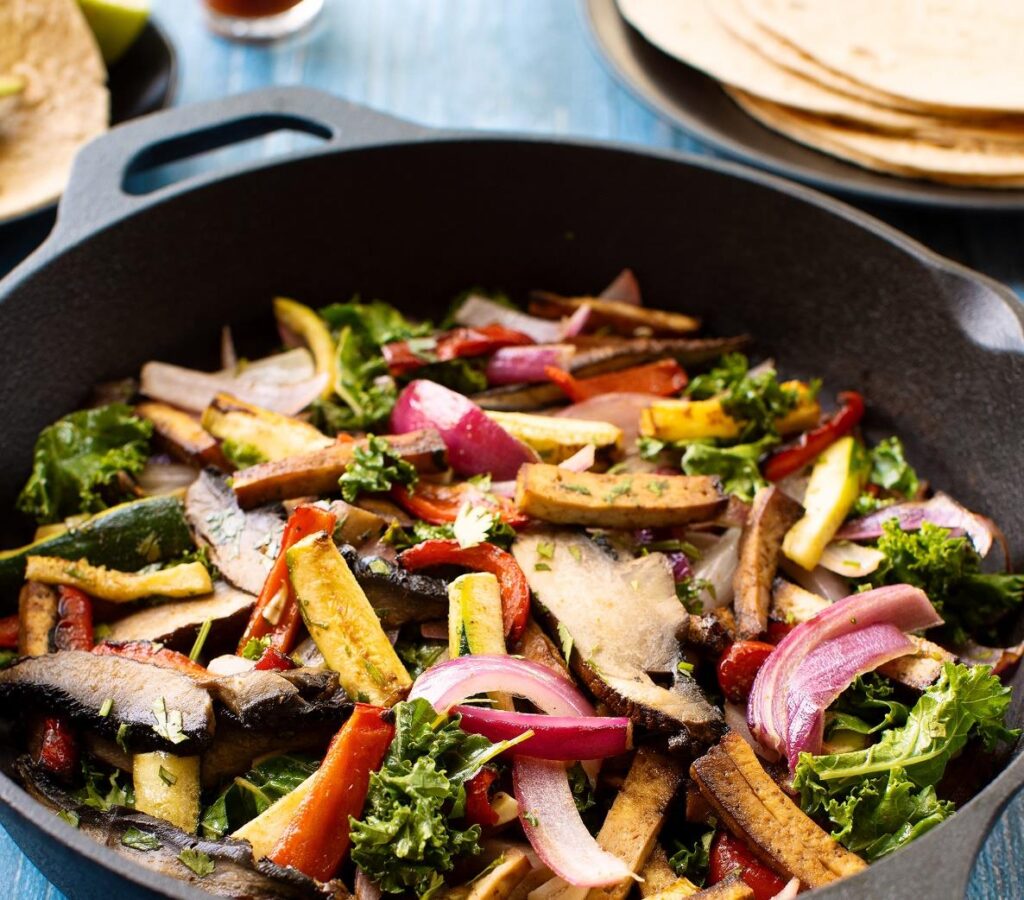
Rainbow Veggie Fajitas
Makes 6 cups (1.5 L) filling 8 tortillas (3/4 cup filling per tortilla) Fajitas are as fun to prepare as they are to eat! This version provides abundant protein with vibrant colors and textures. Feel free to use pre-seasoned tofu (or any other plant-based protein alternatives) that you enjoy. Cilantro adds a unique flavor profile, but if you are not a fan, replace it with parsley. For homemade fajita seasoning, combine 1 teaspoon (5 ml) each of chili powder and oregano, and ½ teaspoon (2 ml) each of cumin, paprika (regular or smoked), garlic powder, and onion powder. Add a pinch of cayenne if you like heat.- 12 ounces firm or extra firm tofu, cut into 2-inch × 1/4-inch strips
- 2 tablespoons tamari
- 4 teaspoons fajita or Tex-Mex seasoning blend
- 2 cups sliced shiitake (or other meaty) mushrooms
- 1 large red onion, sliced
- 4 large garlic cloves, thinly sliced
- 3 tablespoons cooking sherry, cooking wine, or vegetable broth
- 2 cups sliced eggplant or zucchini (sliced into 2-inch × 1/4-inch strips)
- 1 large red bell pepper, sliced into 2-inch × 1/4-inch strips
- 3 cups chopped kale or other greens
- 1/2 cup chopped cilantro
- 2 tablespoons fresh lime juice
- 8 whole grain flour or gluten-free chickpea, almond, or other tortillas (6–7 inches)
Optional Additions: Hot sauce, hot peppers, guacamole, sliced avocado, grated
vegan cheese, vegan sour cream, lime wedges
- Preheat oven to 350°F (177°C).
- Place the tofu on a baking sheet lined with a silicone mat, parchment paper, or cooking spray. Coat the tofu with 1 tablespoon of tamari and 2 teaspoons of seasoning blend. Bake for about 20 minutes, or until the tofu is slightly crispy.
- Dry sauté the mushrooms in a large skillet or non-stick pan over medium heat for 5 minutes, or until browned. Add the onion, garlic, and sherry, and cook for another 5 minutes.
- Add the eggplant, bell pepper, 1 tablespoon of tamari, and 2 teaspoons of seasoning blend. Sauté for 10 minutes, or until the eggplant is tender.
- Add the kale and cook for another 3 minutes.
- Gently stir in the strips of baked tofu, cilantro, and lime juice.
Assemble fajitas by placing 3/4 cup of the fajita sauté in the center of the tortilla lengthwise. Top with the add-ons of your choice. Squeeze lime generously over the filling, if using. Fold each side into the middle and enjoy!
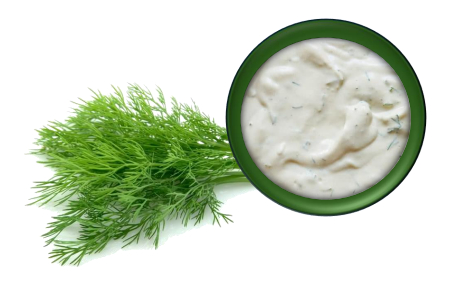
Garlicky Cashew Dip
It is hard to believe that this creamy dip is dairy-free. It is perfect paired with veggies and can also be used with pita chips, or crackers.Ingredients
- 1 cup raw cashews, soaked for 4–6 hours or overnight, rinsed and drained
- 2 large cloves garlic, minced
- 2 tablespoons lemon juice
- 1/4 cup nondairy unsweetened milk or water
- Salt and pepper to taste
- 2 tablespoons fresh dill, chopped
Instructions
- In a high-speed blender, combine the cashews, garlic, lemon juice, and nondairy milk or water.
- Blend until the mixture is very smooth and creamy. Scrape down the sides of the blender as necessary. Add extra milk or water to achieve the desired consistency.
- Season with salt and pepper. Fold in the dill.


This article was originally written for So Many Cooks in the Kitchen. Brenda Davis, RD is a plant-based pioneer and author/co author of 13 books on plantbased diets. She is co Author of Nourish: the definitive plant-based nutrition guide for families, Becoming Vegan: Comprehensive and Express Editions and Kick Diabetes Essentials. www.brendadavisrd.com