
Mushrooms 101
Although we count mushrooms as a vegetable choice, they are not plants. They have no chlorophyll and cannot make their own food, instead consuming dead and decaying organic matter. Nor are mushrooms animals, as they grow from spores. Mushrooms belong to the fungi kingdom, along with yeasts, mold, mildew, and rust. Mushrooms are macrofungi – a type of fungi with fruiting structures that are big enough to see with the naked eye. They are the largest living organisms on the planet. A honey fungus in Oregon’s Malheur National Forest covers an area of over 2,385 acres and is estimated to be thousands of years old. Some species of mushrooms, such as the Jack-o’- lantern mushroom, are bioluminescent, meaning they glow in the dark. Mushrooms can have psychedelic properties, cause food poisoning, or be downright deadly. In this article, we will focus on edible mushrooms. If you collect wild mushrooms, you must be well-versed in mushroom identification. Some poisonous mushrooms look very similar to edible varieties.Top 12 Varieties of Edible Mushrooms
Mushrooms come in many shapes, sizes, colors, textures, and flavors. There are over 3,000 species of edible mushrooms, with humans consuming about 200 of them. Just over a dozen are grown commercially, while many dozens are harvested in the wild. Mushrooms are prized for their savory umami flavor which comes from the amino acid glutamate. Below are some of the most popular and commonly consumed edible mushrooms:1. Button Mushrooms (Agaricus bisporus)
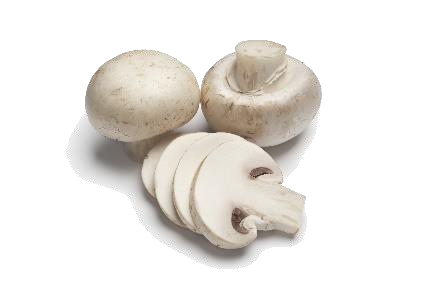
The most commonly consumed mushroom globally, button mushrooms are versatile and mild in flavor. They are also known as white mushrooms. These mushrooms are used in salads, soups, sauces, and main dishes, and are the least expensive variety.
2. Cremini (Agaricus bisporus)
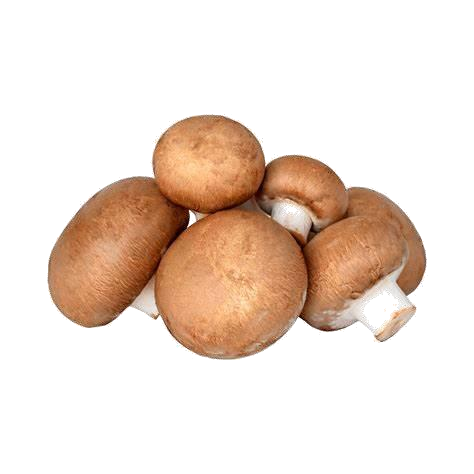
Similar in appearance to button mushrooms, cremini or brown mushrooms are slightly firmer in texture and deeper in flavor. They are a brown variety of Agaricus bisporus mushrooms. They are an immature form of portobello mushrooms.
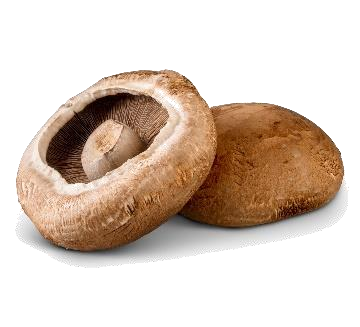
3. Portobello Mushrooms (Agaricus bisporus)
A mature form of the cremini mushroom, Portobello mushrooms are large, meaty, and perfect for grilling or stuffing. Their robust texture and flavor make them a popular meat substitute in vegetarian dishes.
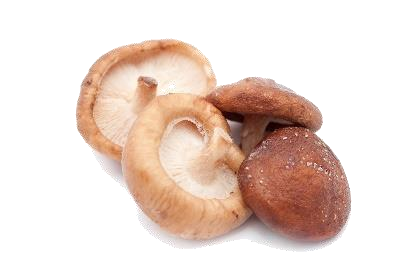
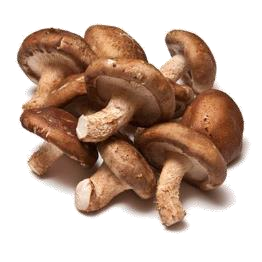
4. Shiitake Mushrooms (Lentinula edodes)
Known for their rich, savory taste, shiitake mushrooms are native to East Asia and are often used in Asian cuisines. They are prized not only for their flavor but also for their medicinal properties. They are commonly found dried which can further intensify their flavor.
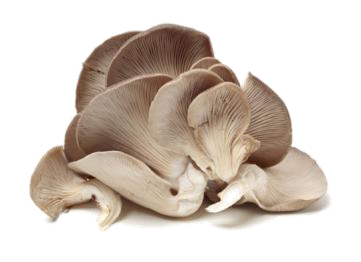
5. Oyster Mushrooms (Pleurotus ostreatus)
Oyster mushrooms are delicate and mildly sweet, often found growing in clusters on decaying wood. Their subtle flavor and tender texture make them a favorite in stir-fries. These gorgeous mushrooms are commonly grown and sold at farmer’s markets. Their popularity is rapidly rising.
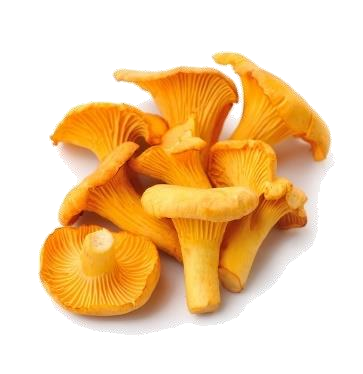
6. Chanterelles (Cantharellus cibarius)
Bright yellow and trumpetshaped, chanterelles have a distinct fruity aroma and a slightly peppery taste. They are highly sought after by chefs for their unique flavor. Since they can only be foraged in the wild during a limited season, they are pricey.
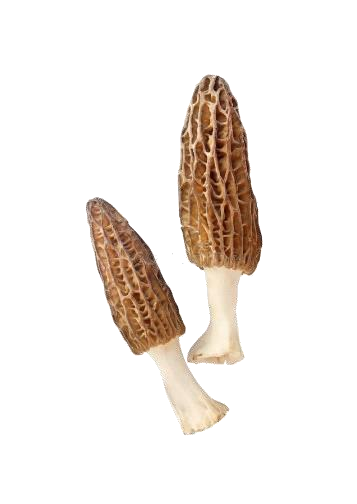
7. Morels (Morchella spp.)
Morels are prized for their earthy, nutty flavor and are one of the most sought-after wild mushrooms. These honeycombshaped fungi are mycorrhizal fungus, meaning they have a symbiotic relationship with trees. For this reason, they cannot be cultivated and must be foraged wild. Morels have a toxic lookalike, called false morel. Even true morels should always be thoroughly cooked, as they can also be toxic when raw.
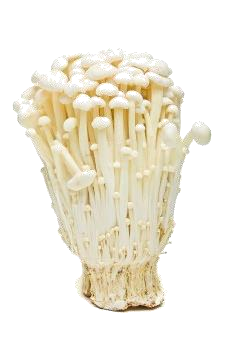
8. Enoki Mushrooms (Flammulina velutipes)
With long, thin stems and small caps, enoki mushrooms are crisp and delicate in flavor. They are commonly used in Asian dishes, especially in soups and salads.
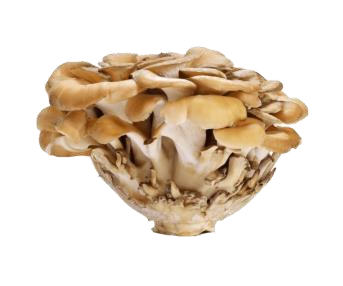
9. Maitake Mushrooms (Grifola frondosa)
Also known as “hen of the woods,” maitake mushrooms are revered for both their taste and their potential health benefits. They grow in clusters at the base of trees (usually oak trees) and have a meaty texture with a slightly spicy flavor. Because of their large size, these mushrooms can be roasted whole, almost like a large cauliflower.
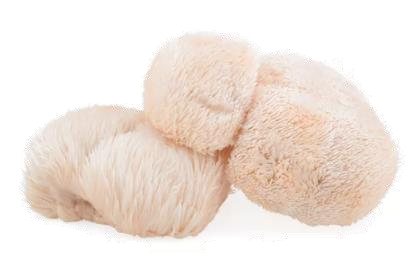
10. Lion’s Mane Mushrooms (Hericium erinaceus)
This odd-looking mushroom has a fluffy, cascading appearance. It is a perfect seafood substitute as it is similar in flavor and texture to crab or lobster. Lion’s mane is not only a culinary delicacy but is also studied for its potential cognitive benefits.
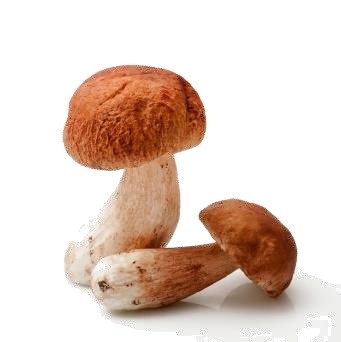
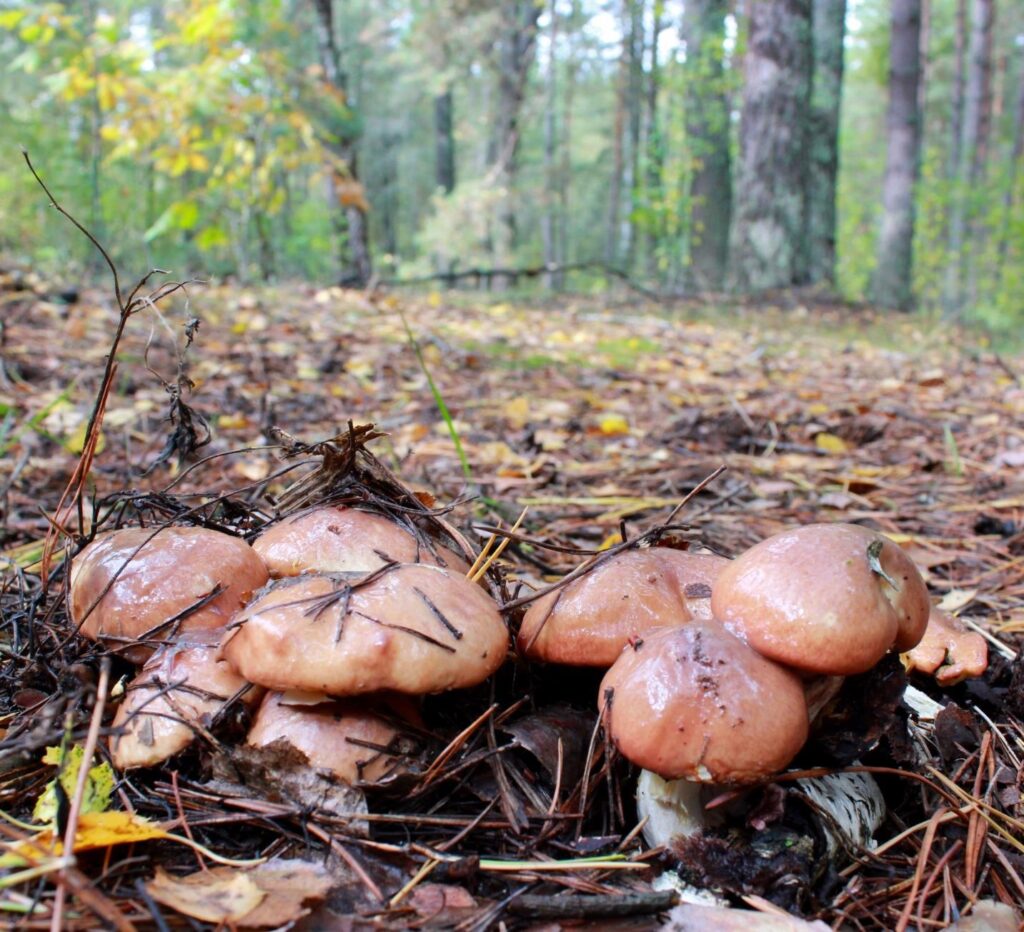
11. Porcini (Boletus edulis)
Porcini mushrooms are a staple in Europe, especially in Austrian, Italian, Polish, Spanish, and Russian cuisines. They grow around pine trees during the late summer and fall in the US and can be foraged. They can be frozen or dried due to their firm texture.
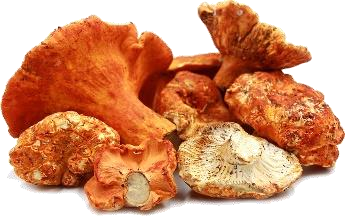
12. Lobster (Hypomyces lactifluorum)
Lobster mushrooms are unique as they are parasites that form only after an Ascomycetes fungi attacks and eats another fungi. They appear mainly in North America’s temperate forests. Their firm texture and subtle shellfish flavor make them a sought-after seafood substitute. Adding fish seasonings can enhance the effect.
Nutrition Facts About Edible Mushrooms
Mushrooms are low in calories, extremely low in fat, cholesterol-free, and packed with essential micronutrients. Many people are surprised to learn that about 23-41% of the calories in mushrooms are protein. Fat is almost negligible, so most of the balance is carbohydrate.
Mushrooms are good sources of fiber with a one-cup serving providing about 3 grams. They provide both soluble and insoluble fibers. The soluble fiber in mushrooms is primarily beta-glucans which are noted for their cholesterol-lowering, blood sugar stabilizing, and cancer-fighting activities.
Micronutrients in mushrooms are also impressive. They are significant sources of B vitamins such as riboflavin (B2), niacin (B3), pantothenic acid (B5), and folate (B9). They are also one of the few natural food sources of vitamin D, although their content depends on exposure to UV sunlight. Most commercially cultivated mushrooms are grown in the dark and do not produce much vitamin D. While it is not always obvious which commercial mushrooms are reliable sources of vitamin D, there is a way to boost vitamin D in store-bought mushrooms by tanning them. See the break-out box below.
Boosting Vitamin D in Mushrooms
- Remove the mushrooms from their packaging and place them gills-up or sliced on a cookie sheet or other container.
- Place the sheet in a safe place outside in direct sunlight for 10–15 minutes or more. This will generally boost vitamin D to about 24 mcg (960 IU) per 100 grams. This is the amount you would receive from 24 eggs or about 8–10 glasses of vitamin D-fortified milk. The Recommended Dietary Allowance (RDA) for vitamin D is 15 mcg (600 IU) for those ages 1–70 and 20 mcg (800 IU) for those over 70.
- Bring the mushrooms inside and store them in the refrigerator. The vitamin D will last for up to 8 days.
Mushrooms are also good sources of minerals such as potassium, phosphorus, selenium, and copper.
Phytochemicals are abundant in mushrooms, including the powerful antioxidants ergothioneine and glutathione. These compounds help protect cells from oxidative stress, reducing the risk of chronic diseases like cancer and cardiovascular disease.
Health Benefits of Edible Mushrooms
Cancer Prevention
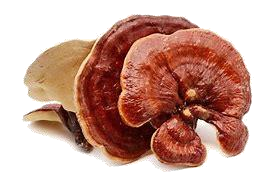
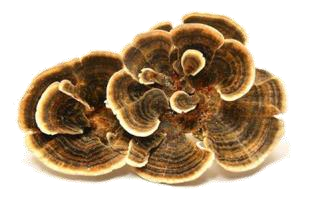
In the past decade, over 2,000 studies have focussed on the anticancer potential of mushrooms. Regular mushroom consumption appears to reduce the risk of certain cancers. Mushrooms contain antioxidants and other bioactive compounds that can prevent oxidative damage to cells and slow the growth of cancerous tumors. Asian cultures have used mushrooms to treat cancer for hundreds of years. The most common medicinal mushrooms are maitake, reishi, turkey tail, and shiitake, although shiitake is the only type commonly found in grocery stores. The others are mostly available in powdered form or extracts in health food stores.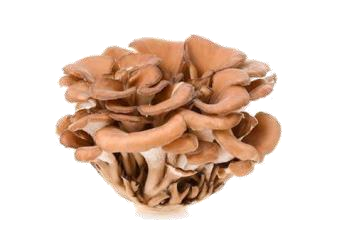
Immune System Support
Mushrooms are known to boost immune function. Beta-glucans, particularly found in varieties like Shiitake and Maitake, stimulate the immune system by enhancing the activity of immune cells, such as macrophages and natural killer cells. This helps the body ward off infections and illnesses.Heart Health
Mushrooms contain compounds that can help lower cholesterol and support cardiovascular health. For instance, beta-glucans have been shown to reduce LDL cholesterol, which is often associated with heart disease. Potassium in mushrooms also helps manage blood pressure, reducing the risk of hypertension.
Weight Management
Mushrooms are low in calories but rich in fiber, making them an excellent food for weight management. Their high-water content and fiber help increase satiety and reduce overall calorie intake. Moreover, their umami flavor allows them to be used as a healthy meat substitute, helping reduce the consumption of higher-calorie foods.Brain Health
The antioxidants found in mushrooms, such as ergothioneine and glutathione, help protect brain cells from oxidative damage, which is linked to neurodegenerative conditions such as Alzheimer’s disease. Additionally, the B vitamins in mushrooms support brain health by promoting proper nerve function and reducing inflammation.
Gut Health
Mushrooms contain prebiotics, meaning they help to feed beneficial gut bacteria. A healthy gut microbiome is crucial for digestion, nutrient absorption, and overall immune health. Mushrooms, especially those rich in fiber, help maintain a balanced gut flora, which can prevent conditions like irritable bowel syndrome (IBS).Ecological Benefits of Mushrooms
I remember watching a special called Fantastic Fungi and it blew my mind. I think everyone needs to see this documentary! I had no idea what mushrooms and fungi are capable of. I was stunned to learn that there are about 300 miles of fungi under every footstep we take in the forest. The significance of mushrooms and other fungi in our fragile ecosystems cannot be overstated. According to Paul Stamets (one of the world’s leading mycologists), “mycelium is the neurological network of nature.” Mycelium is a rich network of thin filaments called hyphae, each surrounded by a robust fungal cell wall that collects food, water, and nutrients to nourish fungus such as mushrooms. Some of the key ecological benefits of mushrooms include:Decomposers
Mushrooms are nature’s recyclers. They break down organic matter such as dead plants and animals. This process returns nutrients to the soil, enriching it and promoting plant growth. Without mushrooms, ecosystems would be overwhelmed with dead organic matter, hindering the nutrient cycle.Mycorrhizal Relationships
Many mushrooms form symbiotic relationships with plants through mycorrhizae, where fungal mycelium connects with plant roots. This relationship is mutually beneficial, as the mushroom helps the plant absorb water and nutrients (especially phosphorus), while the plant provides the mushroom with carbohydrates. This enhances plant growth and resilience, making mushrooms a key part of healthy forests and agricultural systems.Carbon Sequestration
Fungi, particularly mushrooms, help in the sequestration of carbon, removing it from the atmosphere and storing it in the soil. This process mitigates climate change by reducing atmospheric CO2 levels.Bioremediation
Mushrooms can play a role in cleaning up polluted environments through a process called mycoremediation. Certain species, such as Oyster
mushrooms, have the ability to break down toxic substances like oil, pesticides, and heavy metals, helping to restore contaminated soils and water
sources.
Recipes
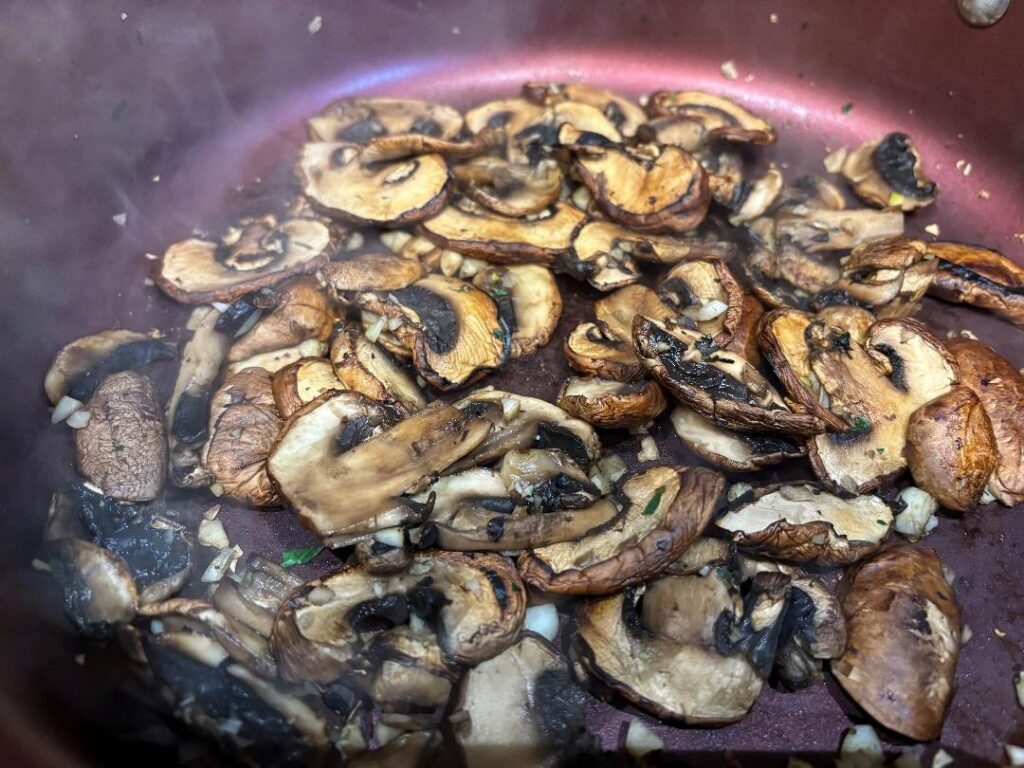
Basic Dry Cooked Mushrooms
Many people assume that mushrooms need to be cooked with oil or butter. They don’t. In fact, to concentrate the flavor of mushrooms, dry cooking is best. To do this, use a high-quality nonstick, cast iron, or stainless steel skillet.
Ingredients
300 grams (about 10 oz) mushrooms, cut in half or sliced
Directions
- Clean the mushrooms with a damp, clean cloth to remove any dirt.
- Heat a large pan (12–14 inches) over medium-high heat.
- Add the mushrooms. Allow them to brown and for the moisture to evaporate. This will take about 10 minutes. Stir or flip them to prevent sticking. You can ensure that each mushroom half or piece is beautifully browned by cooking them with a little space between each piece. If needed, cook in batches.
- Use the mushrooms in your favorite recipes, or season and enjoy.
Mushroom Quinoa Pilaf
Makes 4-6 servings
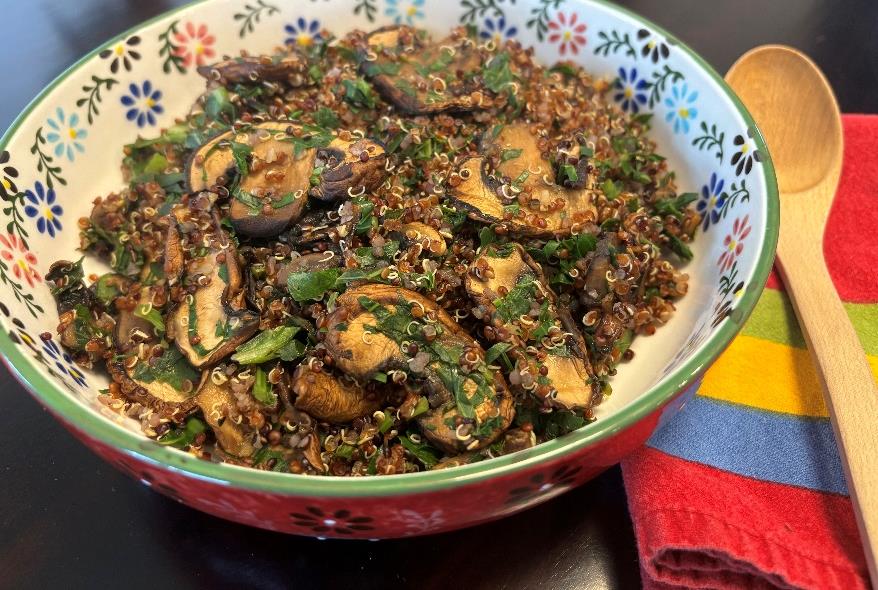
This recipe can be made with wild rice, barley, or other grains in the place of quinoa. I prefer to use black or red quinoa (or a combination of the two), as pictured below. Use spinach, kale or other greens. To make this pilaf more of a main dish, add 2 cups of chickpeas.
Ingredients
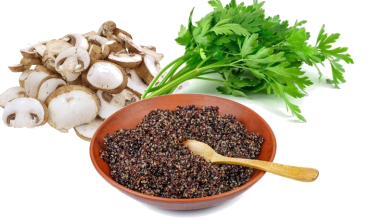
- 1 lb (about 4 cups) mushrooms, sliced
- 4 cloves garlic, minced
- 2 cups cooked quinoa
- ¼ cup parsley, chopped
- 2 cups finely sliced greens
- 1 tablespoon fresh thyme (or 1 teaspoon dried)
- 1 tablespoon tamari
- Pepper to taste
Directions
- Dry cook the mushrooms (as described in the recipe above).
- Add the garlic and cook for another 3 minutes.
- Add the quinoa, parsley, greens, thyme, tamari, and pepper. Cook for another 3–4 minutes, or until the greens are nicely wilted. Serve hot.
Mushroom Gravy
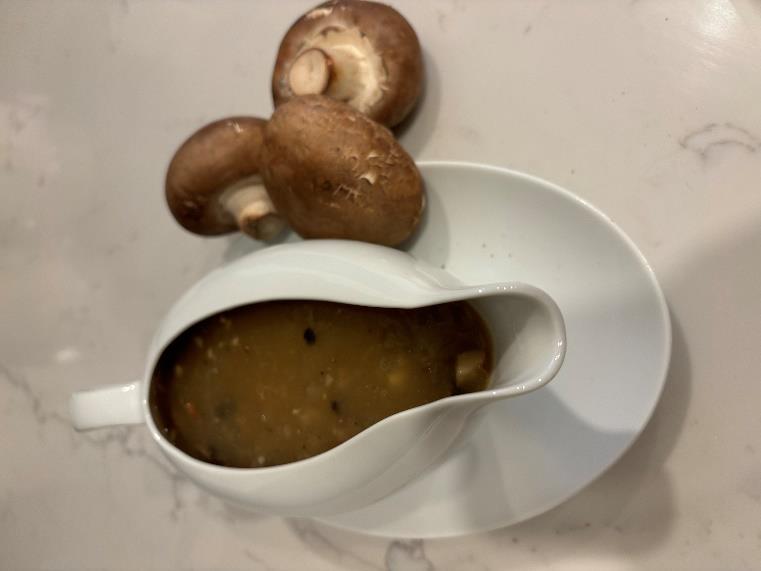
Mushroom gravy is perfect on potatoes, tofu, patties, lentil loaf, and anythingelse that you enjoy gravy with. Add seasonings such as thyme, savory, sage, or rosemary, if desired. White wine produces a better flavor (in my opinion), but broth works too. If you prefer a creamy sauce, replace 1½ cups water with 1½ cups unsweetened, plain (not vanilla) nondairy milk. Be careful not to overcook.Ingredients
- 1½ cups chopped mushrooms, diced
- 2 cloves garlic, minced
- ½ cup onions, minced
- ¼ cup white wine or vegetable broth
- 3 cups water
- 2 tablespoons light miso
- 2 tablespoons tamari
- ¼ cup cornstarch + ½ cup water
- Fresh ground black pepper
Directions
- Dry sauté the onions, mushrooms, and garlic in a saucepan over medium-high heat until tender, about 10 minutes.
- Add the white wine and cook for another 5–10 minutes.
- Add the water, light miso, and tamari. Cook until heated through, about 5 minutes.
- Add the cornstarch mixed with the water. Stir until the sauce thickens. Add fresh ground black pepper to taste. Serve hot.


This article was originally written for So Many Cooks in the Kitchen. Brenda Davis, RD is a plant-based pioneer and author/co-author of 13 books on plantbased diets. She is co-Author of Nourish: the definitive plant-based nutrition guide for families, Becoming Vegan: Comprehensive and Express Editions and Kick Diabetes Essentials. www.brendadavisrd.com