

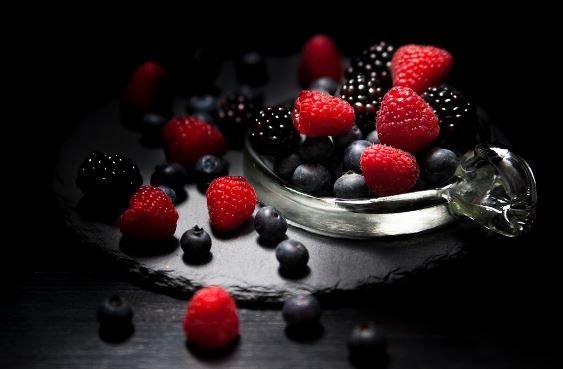
Berries stand out as the tastiest and most nutritious fruits of all. If I was stranded on a desert island and could pick only one food to sustain me, it would be blueberries. I recently attended a family reunion at my aunt’s acreage and was in berry heaven. She grows rows of blueberries,
raspberries, and strawberries, along with several patches of tayberries (cross between raspberries and blackberries), blackberries, and haskap berries (long dark blue berries – similar in flavor to blueberries). As a small child, I have fond memories of spending summers picking
wild blueberries in Northern Ontario and eating them with every meal and most snacks! If you too are wild about berries, I think you will enjoy this piece.
Most people know that berries are good for you, but they may not know what makes
berries stand out in the fruit family. Here are 6 features of berries that make them exceptional
choices:
- High in antioxidants. Berries are key sources of anthocyanins, ellagic acid, resveratrol, and vitamin C. These antioxidants help protect the body against free radical damage and oxidative stress. This may help to reduce the risk of chronic diseases such as heart disease, type 2 diabetes, and some types of cancer.
- Rich in anti-inflammatory compounds. Many phytochemicals in berries have been shown to lower inflammatory markers. This can help to combat chronic inflammation, which increases the risk of type 2 diabetes, heart disease, and obesity.
- Loaded with micronutrients. Berries are nutrient-dense foods, meaning they have a lot of nutrients per calorie. Berries average only about 50–80 calories per cup. They contain significant amounts of vitamin C, vitamin K, manganese, and potassium.
- Vitamin C – Strawberries contain about 100 mg of vitamin C per cup of sliced berries (well over 100% of the RDA). Vitamin C is an immune booster and helps with collagen synthesis.
- Vitamin K – Blueberries and raspberries provide about 29 mcg per cup (about 25% of the RDA). Vitamin K helps make proteins that are needed for blood clotting and building bones.
- Manganese – Blackberries also top the list at 0.93 mg per cup (about 50% of the RDA). Manganese helps the body form connective tissue, bones, blood clotting factors, and sex hormones.
- Potassium – Strawberries provide 254 mg per cup (almost 10% of the RDA). Potassium helps maintain normal fluid levels inside our cells. It is also important for muscle contraction and normal blood pressure.
- High in fiber. In fact, berries provide more fiber per serving than almost all other fruits and vegetables. Raspberries and blackberries top the list with 8 grams of fiber per cup! Fiber helps support digestive health, control blood glucose levels, lower blood cholesterol, and maintain a healthy body weight. Some types of fiber in berries serve as prebiotics or food for healthy gut microbes.
- Improve insulin sensitivity. In both healthy individuals and those with insulin resistance, berries appear to improve insulin sensitivity. Berries also appear to reduce blood glucose levels in response to high-carbohydrate meals.
- Keep blood vessels healthy. Berries also support endothelial cells (the cells that line your blood vessels). Endothelial cells help control blood pressure and keep blood from clotting. Berries seem to improve endothelial function in both healthy individuals and those with metabolic syndrome.
What Berries are Best?
It is important to recognize that berries are most healthful in their raw form or cooked without added sugar. Berries frozen without added sugar are also great choices. Of course, fresh picked organic berries are the cream of the crop! While adding berries to highly processed foods with added fat, sugar, and fat does add value, it does not make them healthful choices.
All fresh berries are nutritious foods, but variety is key to reaping all the benefits berries have to offer. The overall nutritional value of berries will vary depending on ripeness, cultivation methods, soil quality, storage methods, and freshness. Here are six top picks:
1. Blueberries (of course!). Blueberries are brimming with polyphenolic compounds called anthocyanins. They have been shown to reduce oxidative stress and lower the risk of heart disease, type 2 diabetes, and cognitive decline. Yes, blueberries appear to protect our brains!
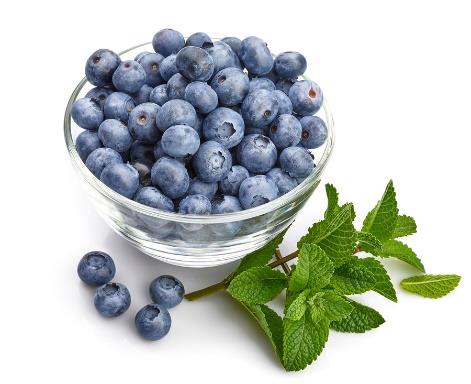
2. Blackberries. Fiber-rich blackberries are packed with fiber, vitamin C, and vitamin K. Needless to say, they are rich in anthocyanins which give them their deep color and help reduce inflammation. One study even found that blackberries help with oral health due to their antibacterial properties
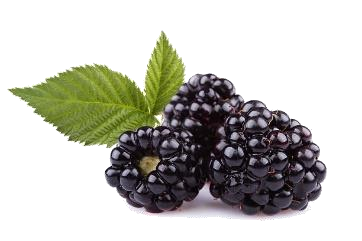
3. Raspberries. Raspberries are quite simply delectable. There are literally dozens of varieties in shades of red, black, and gold. Raspberries are great sources of vitamin C and manganese. They are also rich in anthocyanins, ellagitannins, and phenolic acids, with black raspberries containing the highest concentrations of these antioxidants. Some studies suggest black raspberry powder may help protect against certain cancers.
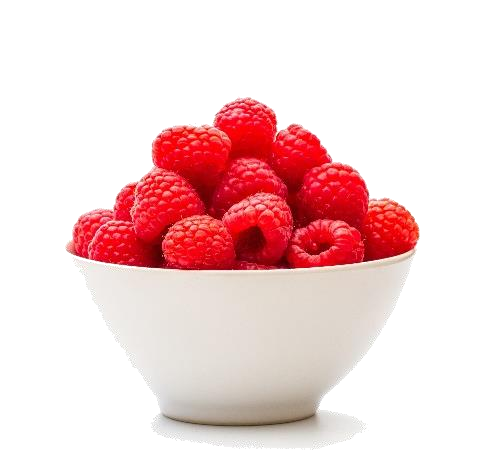
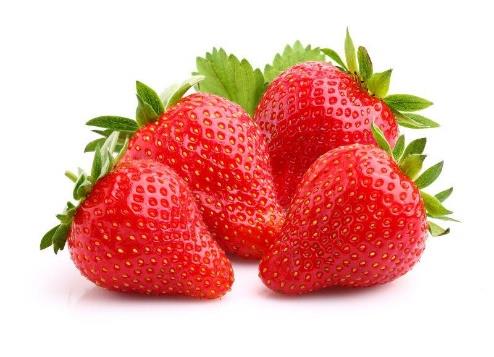
4. Strawberries. Strawberries are the top pick for vitamin C. They have been found to be protective against heart disease, improving blood cholesterol, triglycerides, and levels of oxidative stress. Strawberries are one of the most economical berries.
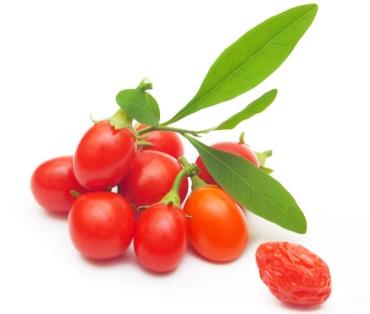
5. Gogi berries. Gogi berries are native to China, but have become very popular in the Western world, especially in dried form. You can also grow them in your garden and enjoy them fresh. Gogi berries are higher in vitamin A than most other berries. They are also great sources of zeaxanthin, which is important for eye health. Gogi berries are also rich sources of polyphenols which serve as
antioxidants.
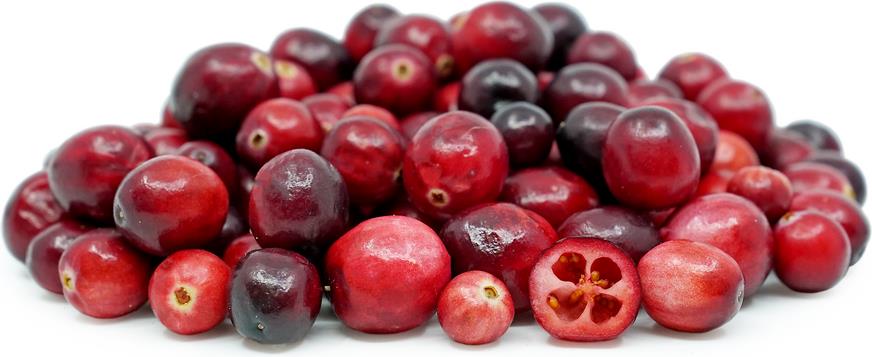
6. Cranberries. Cranberries are not usually eaten raw as they are very tart. Instead, they tend to be consumed as cranberry sauce or cranberry juice with a generous dose of added sugars. You can cook cranberries plain and simply add them to breakfast bowls which are already sweet with other fruits. You might also cook cranberries with apples
or dates which serve as natural sweeteners. Cranberries greatest claim to fame is their ability to reduce the risk of urinary tract infections (UTIs). Some research suggests they may also help to prevent an overgrowth of H. pylori in the stomach.
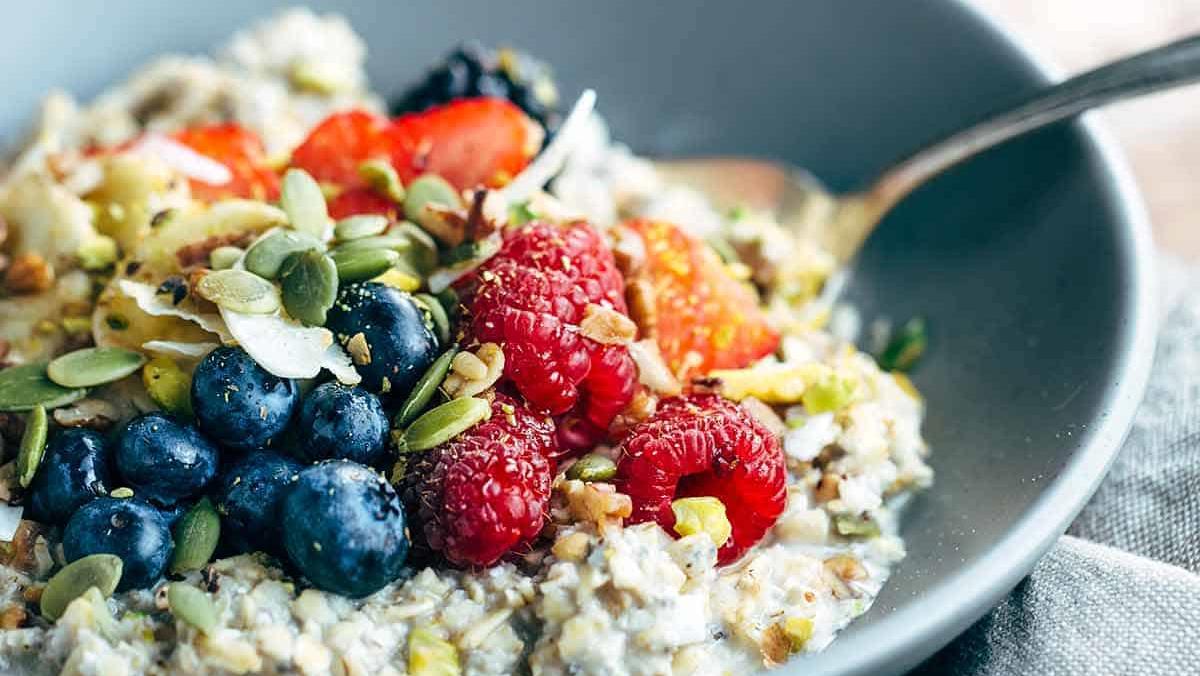
Below are 3 super simple berry recipes. The first is a berry muesli – one of the easiest breakfasts you can make. If you want to bring it camping or backpacking, use dried or freeze-dried berries. The second is a berry sauce. I keep berry sauce in my fridge at all times. It is fabulous on a breakfast bowl, and it makes desserts a breeze. Use it to top frozen banana ice cream or puddings. The third is a simple green salad with berries. I make this salad when the grandkids are coming for dinner – it makes green salad extra special.
Berry Burst Muesli
Makes 4 cups
This breakfast requires no cooking and minimal preparation time. It provides an excellent balance of protein, fat, and carbohydrate. The soaking enhances the digestibility of the oats and increases mineral absorption. If you like, replace some of the non-dairy milk with non-dairy yogurt. Frozen berries can be used but they will discolor the dish, so add them just before serving. If you like a crunch, serve with healthy, homemade granola.
Ingredients
- 1½ cups rolled oats
- ¼ cup chopped nuts (e.g., almonds, walnuts, pecans)
- ½ teaspoon cinnamon
- 2 cups berries (any berry or mix of berries will work well)
- 2 cups unsweetened soy milk or other nondairy milk
Instructions
- In a medium bowl, combine oats, nuts, seeds, cinnamon, and berries. Gently pour milk over the mixture and stir gently to combine.
- Cover and refrigerate overnight. Serve with omega-3-rich seeds such as chia, ground flax and hempseeds and non-dairy milk.
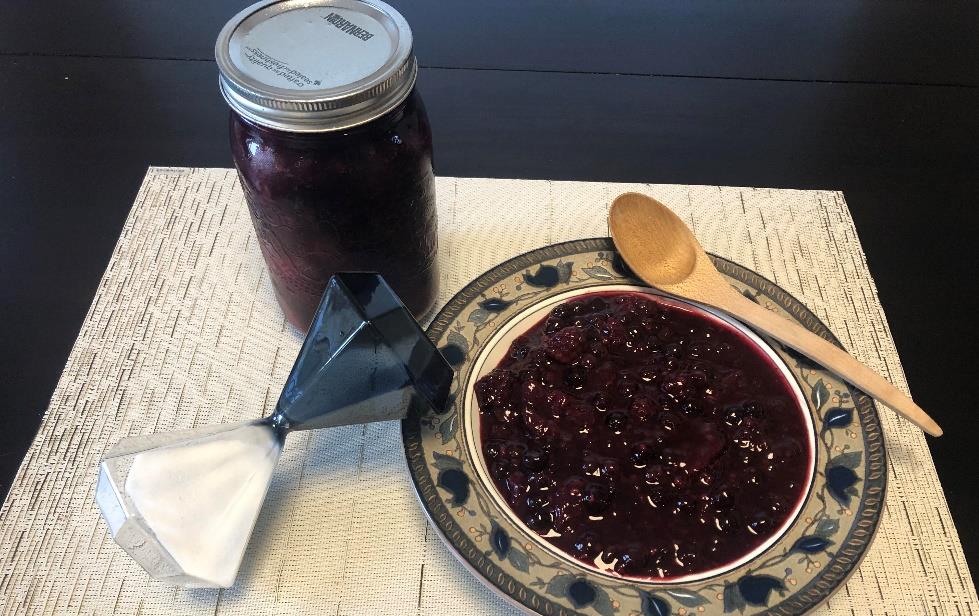
Mixed Berry Sauce
Makes 4 cups
This sauce can be used on breakfast bowls, as a sauce for puddings or other desserts, or as a
replacement for jam. This recipe can be multiplied several times to make large batches, frozen
for later use. You can add a tablespoon of maple syrup if a sweeter sauce is desired.
Ingredients
- 4 cups fresh or frozen mixed berries (e.g., blueberries, raspberries, blackberries, and strawberries)
- ½ cup water
- 1 tablespoon cornstarch
- 3 tablespoons water
Instructions
- Put the berries and water in a saucepan and heat on medium until the liquid begins to boil. Turn the heat to low and continue cooking for about 10 minutes, stirring occasionally.
- In a cup or small bowl, stir the cornstarch and water together.
- When the berries are very hot, slowly pour the cornstarch mixture into the berries, stirring constantly until the sauce thickens. Serve warm or cold.
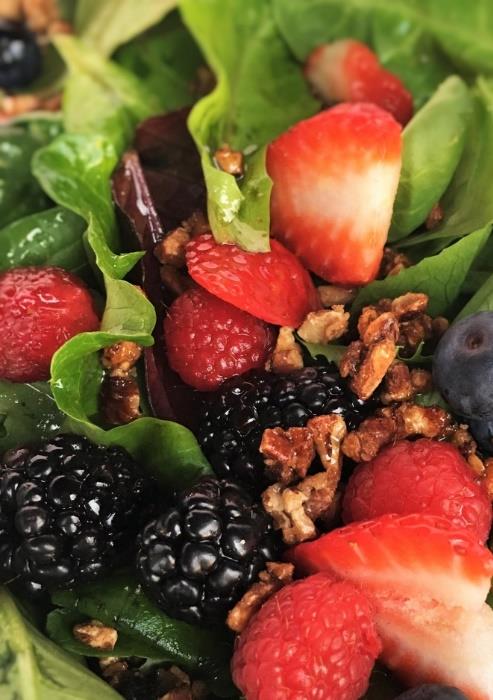
Berry Burst Salad with Orange Hempseed Vinaigrette
This is a sweet and tangy salad with an oil-free dressing. If you prefer, replace the maple syrup with a Medjool date and blend to combine the dressing ingredients. Coat nuts with a little maple syrup before roasting, if desired.Salad Ingredients
- 4 cups mixed salad greens
- 1 cup blueberries
- 1 cup sliced strawberries
- 1 cup raspberries or blackberries
- ½ cup roasted or soaked and dehydrated walnuts, pecans, hazelnuts, or almonds (chopped or whole)
- ¼ cup thinly sliced and coarsely chopped red onion
Dressing Ingredients
- 3 tablespoons white balsamic vinegar
- ¼ cup freshly squeezed orange juice
- 2 teaspoons maple syrup
- 1½ teaspoons Dijon mustard
- Salt and pepper to taste
Instructions
- In a large salad bowl, combine the mixed greens, berries, chopped nuts, and red onion.
- In a small bowl, whisk together the balsamic vinegar, orange juice, maple syrup, mustard, salt, and pepper.
- Drizzle the dressing over the salad and toss gently to coat the greens.
- Serve immediately.


This article was originally written for So Many Cooks in the Kitchen.
Brenda Davis, RD, is a plant-based trailblazer and author/co-author of 13 books on plantbased diets. She is co-Author of Plant-Powered Protein, Nourish: the definitive plantbased nutrition guide for families, Becoming Vegan: Comprehensive and Express Editions, Kick Diabetes Essentials, and The Kick Diabetes Cookbook. www.brendadavisrd.com