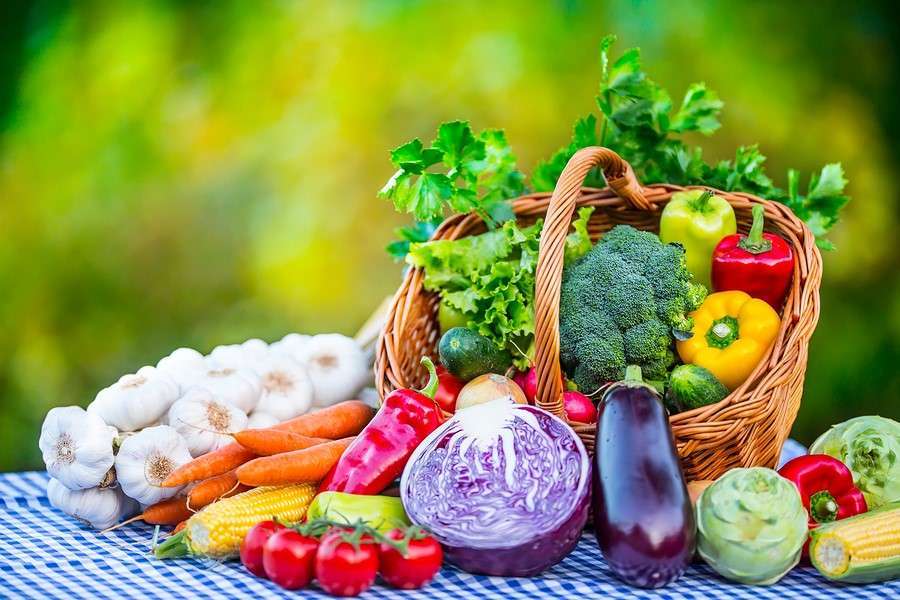
Have you ever heard the expression, “we eat with our eyes”? While everyone knows that we really eat with our mouths, the expression captures the essence of why food presentation matters. Somehow when food looks good, it tastes even better. I remember when my son was just 2 years old, he carefully arranged his peas around his mashed sweet potatoes before taking a bite. He cared a lot about how his food looked. Not everyone is born with that kind of critical eye, but most of us grow to appreciate beautiful food. If you have ever wished you had the skills to make food look gorgeous, you are in luck. Today, So Many Cooks in the Kitchen will provide you with some of the basic tools you need to make food more visually appealing, and recipes that will wow those who are lucky enough to be tasting it!
Why is beautiful food important
Some people think that healthful, plant-based foods are boring. It is one of the reasons that people are reluctant to make significant dietary shifts. However, when you make food look beautiful, it becomes interesting and enticing. It becomes a creative culinary adventure rather than a sacrifice.
When we see food, our vision nerves send a signal to our brain, and our taste buds are turned on. It stimulates our appetites and prepares us for our eating experience. When food looks appealing, it makes us more mindful of what we are eating. It helps us appreciate those who picked it, prepared it, and served it. Mindful eating can help us to overcome emotional eating and help us develop healthy habits.
What makes food appealing?
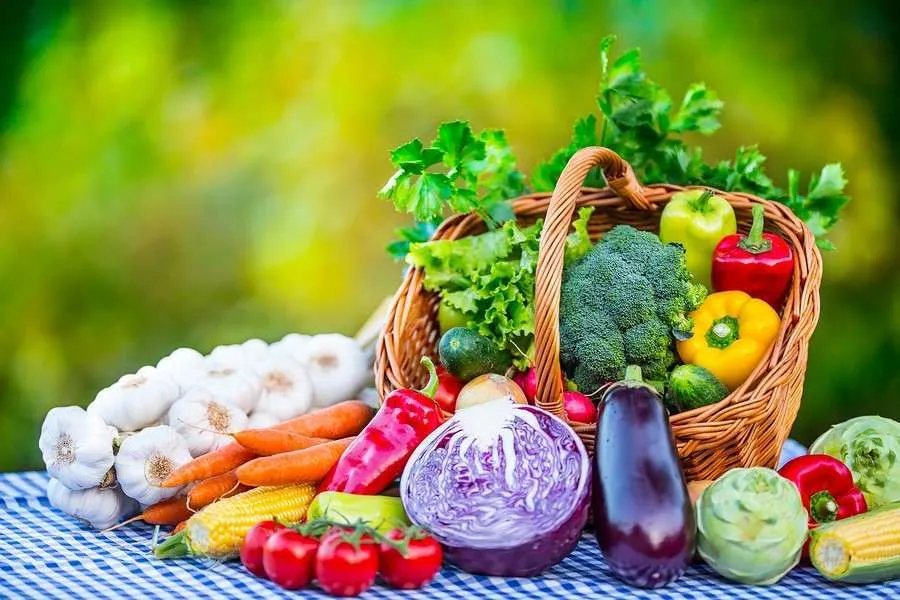
There are many things that can increase the appeal of a meal, but number one is color. Plant-based eaters are at a clear advantage here. Most of the bright and beautiful colors come from vegetables and fruits. Even legumes, grains, nuts, and seeds can add color to a meal. Another thing that can add excitement to a dish is smell. Wonderful aromas are developed by cooking and by using a variety of spices. How food is served also adds to its appeal. Plating food is an art, and not one that is second nature to most of us. But you don’t have to be a chef to make food look attractive. You just need a few simple tips.
How can you make food more inviting?
There are so many simple ways to make food look more beautiful. Here are some examples:
- Select foods with a variety of colors. Go for deeper colors when you can – dark instead of light greens, for example. If you are serving a tofu which tends to be white, serve it with baked sweet potato fries and a green vegetable, rather than baked white potato fries and cauliflower. If you are serving it with rice, choose black or red rice and a vegetable medley that includes green, red, and orange or yellow vegetables.
- Include a variety of textures. If you are serving something mashed, ensure the other parts of the meal are crispy or chewy. Top a creamy soup with a few dried peppers or some toasted seeds.
- Present your food with flare. Plate and garnish your food with love and care. If you are going for a professional look, select a plain plate – it serves as your canvas. Use a little sauce to decorate the plate. Arrange the food in thirds (the veggies will be the largest portion). Use height – stacking foods can be really fun. Top with a sauce or garnish.
- Make the most of herbs and spices. Herbs and spices can add color, flavor, and beauty to your foods. Choose fresh herbs and spices when available. Herbs such as basil, chives, mint, and rosemary are perfect for decorating a
dish. Paprika adds a beautiful red hue, while turmeric provides a natural yellow color.
Simply Gorgeous Bowls
Some of the easiest foods to make look spectacular are bowls – whether it is a smoothie bowl, a breakfast bowl, a lunch salad bowl, or a hot dinner bowl. Bowls are fun and easy to individualize. With bowls, you can get as creative as you like. Start out with a good-sized individual bowl. Have a few beautiful bowls on hand – go thrifting to find something special.
Smart Start Smoothie Bowl
Makes 2 big bowls
Smoothie bowls make breakfast fun. Frozen peas may seem like an odd addition, but they add fiber, protein and a gorgeous bright green color. Hempseeds provide an additional protein and omega-3 boost. Frozen ingredients are the key to thick, rich tasting smoothie bowls – make sure all other ingredients are very cold. Be creative with the smoothie ingredients – add a carrot, a few slices of cucumber, some nut better or soft tofu. Pick pretty, colorful toppings. You can omit the peas or the avocado if you don’t like them in the smoothie bowl. If you do not have a high-speed blender, this will work in a food processor.
Smoothie Bowl Base
3 cups greens (e.g., kale, collards, sprouts, etc.)
1½ cups unsweetened fortified soy milk (or other non-dairy milk)
3 tablespoons hempseeds
½ small or medium ripe avocado
¾ cup frozen peas
2 frozen, sliced bananas
1 cup frozen pineapple or mango chunks
Toppings
Fresh berries
Chopped fruit (e.g., kiwi, peaches, nectarines, pineapple)
Seeds (e.g., chia, ground flax, pumpkin, sunflower)
Nuts, chopped or whole (e.g., almonds, cashews, pecans, walnuts)
Shredded coconut, unsweetened
Granola
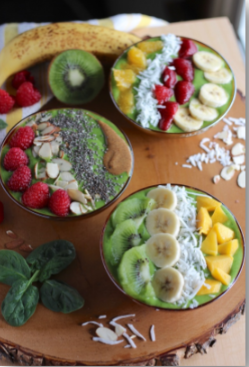
- Put ingredients into a high-speed blender in the order listed (always best to have the fresh ingredients in the bottom and the frozen ingredients on top) and blend on low speed, increasing speed slowly. Blend until smooth and creamy.
- Divide into 2 big bowls. Decorate with rows of toppings side by side or create your own design.
Peanut Dragon Bowl
Makes 4 bowls
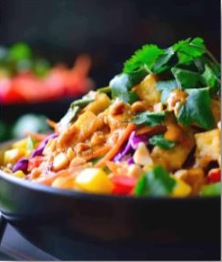
This recipe is fun, filling, and flavorful. It is also versatile, as it can be prepared with a wide range of vegetables and toppings. If you end up with too much sauce, use leftovers as a dip for rice or lettuce wraps or as a salad dressing.
Spicy Peanut Sauce
- 1 cup natural crunchy peanut butter
- 1 cup water
- 3 tablespoons tamari, soy sauce or coconut aminos
- 3 cloves garlic, minced
- 1 tablespoon fresh grated ginger
- 1 tablespoon hot chili sauce (adjust to your taste)
- ½ can (200 ml) coconut milk (or other unsweetened, non-dairy milk)
- 2 teaspoons sesame oil (optional)
- 2 tablespoons lemon juice
- Put peanut butter and water in a medium saucepan.
- Heat on a low temperature stirring until smooth and creamy.
- Add tamari, garlic, ginger, hot sauce, coconut milk and sesame oil (if using).
- Cook on low heat for about 15-20 minutes, stirring occasionally.
- Remove from heat. Stir in lemon juice.
Bowls
4 cups hot, cooked grains (e.g., quinoa, rice, farro, barley)
10 cups washed and chopped vegetables of your choice (e.g., asparagus slices, small beet cubes, broccoli florets, Brussels sprout slices, cauliflower florets, carrot strips, green beans, chopped kale or other greens, thin purple onion slices, pepper slivers, snow peas, squash cubes, sweet potato cubes)
3 cups hot, cooked shelled edamame, garbanzo or other beans or veggie protein of your choice (e.g., tofu, tempeh, veggie chicken)
Optional Toppings
- ½ cup unsalted peanuts
- 2 tablespoons roasted black sesame seeds
- ½ cup green onions, chopped
- ½ cup parsley or cilantro
- 1 cup sprouts (your choice)
- 1 avocado, chopped
- Lemon or lime wedges
1. Prepare optional toppings. Place toppings into small bowls so each person can top their own bowl with their favorites.
2. Steam vegetables. In a large saucepan, steam vegetables in a steamer basket. Put the longer cooking vegetables in the steamer first (squash, beets, sweet potatoes). Steam for about 15 minutes. Add in all other vegetables except greens. Cook another 7-8 minutes. Add greens and cook another 2-3 minutes or just until they are wilted.
3. Assemble bowls. To assemble the meal, place cooked grains into 4 bowls (use ½ cup for smaller bowls and 1 cup for larger bowls).
Top each bowl with 2 1/2 cups steamed vegetables. Then add 3/4 cup beans or other plant
protein to each bowl. Add optional toppings, as desired. Drizzle each bowl with dressing to taste
This article was written for a PCRM Food for Life Instructors group called So Many Cooks in the Kitchen. This group meets online to provide amazing cooking and nutrition demonstrations that are free to share globally. For wonderful whole food, plant-based cooking shows, tune in to their monthly broadcasts. https://somanycooks.com/about/
Brenda Davis, RD is a plant-based pioneer and author/co-author of 13 books on plant-based diets. She is co-Author of Nourish: the definitive plant-based nutrition guide for families, Becoming Vegan: Comprehensive and Express Editions and Kick Diabetes Essentials.www.brendadavisrd.com


