
So Many Tomatoes
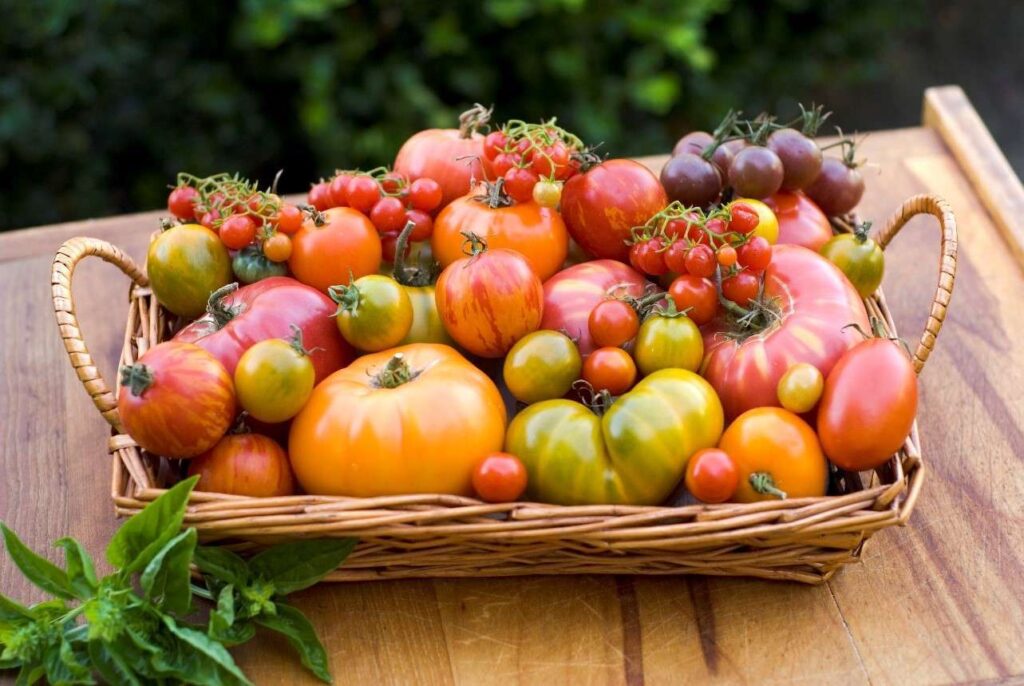
Sometimes memories are etched into our hearts because of an experience that was just too good to forget. One such experience for me was a garden party at a friend’s farm. We walked along a stream, toured vegetable and flower gardens, and enjoyed a delicious plant-based BBQ. But the highlight was the appetizer – a taste testing of the most amazing heirloom tomatoes (see photo on page 7). We had luscious varieties in red, burgundy, purple, orange, yellow, green, and various striped color combinations. The flavors were rich, complex, sweet, savory, and quite simply, divine. I wondered how these fruits could be related to the bland red tomatoes that we buy from the grocery store.The Goods on Tomatoes
While tomatoes are botanically fruits, they are considered vegetables from a culinary perspective, and included as vegetables on food guides. This is because they tend to be more savory than sweet in flavor. Tomatoes, or their tiny wild ancestors, originated in Western South America. They were first cultivated by the Aztecs and other people in Mesoamerica. Tomatoes were brought to Europe in the 1400s and to North America in the 1700s. There is only one vegetable more commonly consumed than tomatoes in America, and that is potatoes! Tomatoes are prized for their umami flavor. They are a key ingredient of Mediterranean cuisine, and are used in sauces, stews, soups, casseroles, salads, salsas, and ketchup. Today, “So Many Cooks in the Kitchen” will provide you with a treasure trove of tomatoey treats.
Tomatoes are best eaten at room temperature. When they are refrigerated, they quickly lose their flavor, and it does not return when they are taken out of the fridge! Commercially grown tomatoes are often picked while green and ripened with artificial ethylene gas. This interferes with flavor development and explains the reduced flavor compared to naturally ripened fruits. Many commercial tomato products, especially juices, sauces, and condiments like ketchup and barbeque sauce have added salt, sugar, or oils, so be sure to read the labels.
Tomato Nutritio
Tomatoes are about 95% water. The remaining 5% is mainly carbohydrates and fiber. About 70% of the carbohydrates come in the form of simple sugars like glucose and fructose. One medium sized tomato (125 g) provides about 23 calories and 1.5 grams of fiber. It has just about 1 gram of protein, 5 grams of carbohydrate, and ¼ gram of fat. The most notable nutrients in tomatoes are vitamin A (as pro-vitamin A carotenoids), vitamin C, potassium, folate, and vitamin K. A medium tomato provides 53 retinol activity equivalents (RAE) vitamin A, 17 mg vitamin C, almost 300 mg potassium, 19 mcg folate, and 10 mcg of vitamin K. As key sources of several protective phytochemicals, tomatoes are brimming with carotenoids such as lycopene, beta-carotene, and lutein. Tomatoes are our primary sources of lycopene, a red pigment that serves as an antioxidant and anti-inflammatory agent. Lycopene reduces risk of certain cancers, especially prostate, lung, and stomach cancers. It may also reduce risk of heart disease and stroke. There is also some evidence that lycopene may be good for skin, reducing risk of sunburn. Lycopene is fat soluble so is better absorbed with a little fat. Absorption is also higher in cooked rather than raw tomatoes.Do tomatoes make arthritis worse?
While the leaves of tomato plants contain a toxin that protects the fruit from predators, the relationship between the fruit and arthritis is weak. While some individuals do find avoiding nightshades like potatoes, peppers, potatoes, and eggplant helpful, it is thought to be a relatively small percentage of arthritis sufferers.Spicy Mexican Salad
Makes 8 cups or 4 servings
This salad is not only packed with nutrition; it offers a tantalizing variety of colors and textures. You may use red or yellow peppers; orange is suggested here to cover the rainbow!
Makes 8 cups
- 3 tomatoes, chopped
- 2 ripe avocados, peeled and cut into small cubes
- 2 cups corn, freshly cut off cob or frozen and thawed
- 2 ribs celery, diced
- 1 large orange pepper, sliced into 1 inch long, thin pieces
- 3 green onions, diced
- 1½ cups (14-15 oz can) black or kidney beans, rinsed and drained
- 1 cup cilantro or parsley, finely chopped, packed
Dressing
- Makes 2/3 cup
- 1/3 cup freshly squeezed lime juice
- 3 tablespoons tamari
- 1 tablespoon maple syrup
- 2 cloves garlic, minced
- 1 teaspoon minced red or green chili or jalapeno pepper
- 1/2 teaspoon ground cumin (optional)
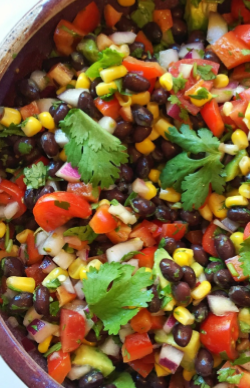
- In a large bowl, combine tomatoes, avocados, corn, celery, orange pepper, green onions, black beans, and cilantro.
- In a jar or blender place the lime juice, tamari, agave syrup, garlic, chili pepper, and cumin (if using); mix well or blend the ingredients together and set aside.
- Toss all the salad and dressing together and spoon out into a pretty bowl. Chill until serving.
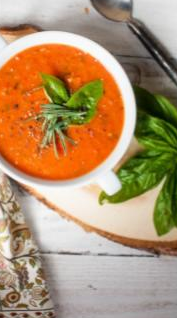
Roasted Pepper and Tomato Soup
Serves 4 to 6
This recipe was developed by my talented co-author of Nourish, Dr. Reshma Shah. The addition of roasted red pepper to tomatoes adds a sweet flavor. You could also use jarred peppers but roasting at home is so simple and the flavor is fantastic. The original recipe uses 1 tablespoon of olive oil to sauté the onions. I have replaced this with wine or vegetable stock, but you are welcome to use the original recipe if you prefer!
- 1 large or 2 small red bell peppers
- 2 tablespoons white wine or vegetable stock
- 1 medium onion, diced
- Pinch of red pepper flakes (optional)
- ½ teaspoon of kosher salt
- 4 garlic cloves, sliced
- 1 teaspoon of fresh thyme
- 28-ounce can of tomatoes
- 2 cups of vegetable stock
- Preheat the oven to 400° F. Line a rimmed baking sheet with foil and place the peppers on the baking sheet. Roast in the oven for 20 to 30 minutes, flipping the peppers halfway through. The skin of the peppers should look charred, and the flesh should be soft and cooked through. Once the peppers are nicely charred, allow them to cool enough so that you can handle them without burning yourself. Gently peel away the charred skin from the pepper and pull out the stem along with the seeds. Slice the roasted peppers and set them aside.
- While the peppers are roasting, in a medium sized pot, warm the wine or stock over medium heat. Add the diced onions and sauté until they begin to brown just slightly. Add the optional pinch of red pepper flakes, salt, garlic, and thyme. Cook them for another minute or two.
- Next, add the roasted peppers, tomatoes, and vegetable stock. Bring to a boil, and then, lower the heat to a simmer and cook for 20 to 30 minutes to allow the flavors to meld.
- Use an immersion blender to purée until smooth. If you do not have an immersion blender, use a regular blender. Allow soup to cool slightly, then process in batches until smooth.
- Season with salt and pepper to taste. Serve with a dollop of plant-based sour cream, or a sprinkle of chives, basil, rosemary, sprouts, croutons, or roasted pumpkin or other seeds.
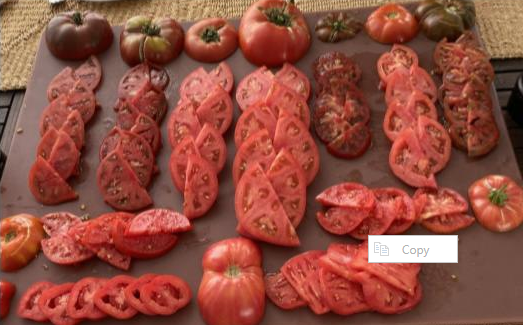
Our red heirloom tomato tasting tray from the garden party!
This article was written for a PCRM Food for Life Instructors group called So Many Cooks in the Kitchen. This group meets online to provide amazing cooking and nutrition demonstrations that are free to share globally. For wonderful whole food, plant-based cooking shows, tune in to their monthly broadcasts. https://somanycooks.com/about/
Brenda Davis, RD is a plant-based pioneer and author/co-author of 13 books on plant-based diets. She is co-Author of Nourish: the definitive plant-based nutrition guide for families, Becoming Vegan: Comprehensive and Express Editions and Kick Diabetes Essentials. www.brendadavisrd.com