Why Are Meat And Milk Viewed As Essential For People? by Brenda Davis, R.D.
Brenda Davis offers fresh insights on the treatment of animals in food production and other industries, the latest findings on the health benefits of a vegan diet and expanded the information on phytochemicals, Brenda’s information is extensive in scope, yet manageable for anyone who wants to easily understand how to construct a nutritionally balanced plant-based diet.
Here are the latest findings on: using plant foods to protect against cancer, heart disease, and other chronic illnesses; obtaining essential protein without meat, eggs, or dairy products; discovering “good” fats and where to find them; meeting dietary needs for calcium without dairy products; understanding the importance of vitamin B12; designing balanced vegan diets for infants, children, and seniors; and making the most of vegan pregnancy and breastfeeding.
This is a sound blueprint to follow for better health for yourself and the planet.
Connect with The Real Truth About Health
http://www.therealtruthabouthealth.com/
Passionate believers in whole food plant based diets, no chemicals, minimal pharmaceutical drugs, no GMO’s. Fighting to stop climate change and extinction.
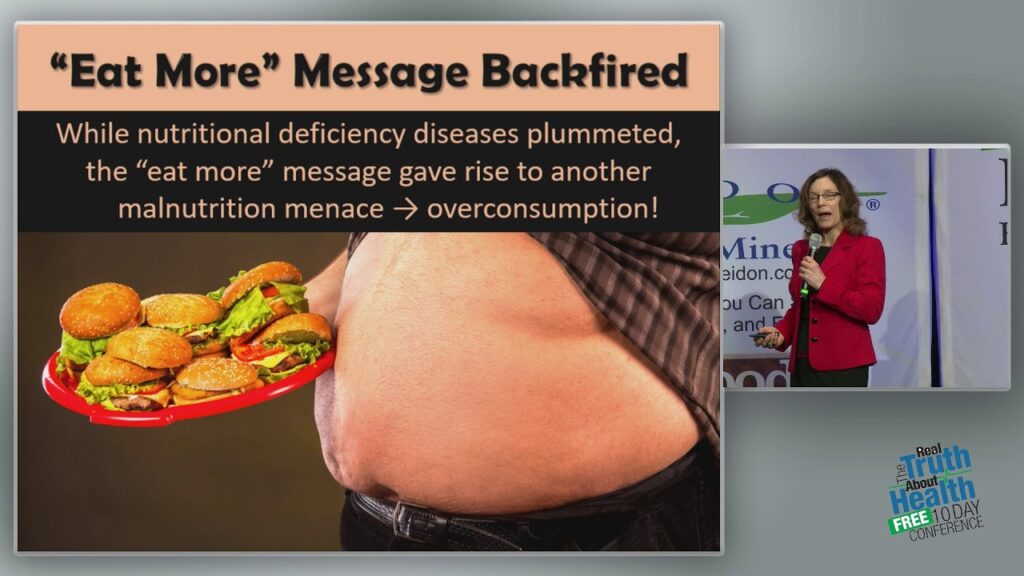
so you know we’re going to be examining the evidence is why our meat and milk viewed is essential for people what are the key nutrients in these foods and can we get enough of these key nutrients from plant foods how much do we need what are the actual intakes in plant-based diets what are the richest plant sources and are there benefits to getting these nutrients from plants instead of from animal sources so let’s start out why are meat and milk viewed as essential for people well we need to look at public health history for many years hunger and malnutrition were the number one public health nutrition concerns government policies were directed towards the elimination of hunger and deficiency diseases nutrition education campaigns were really dominated by eight more messages so that we could wipe out these deficiency diseases and economic policies actually sought to maximize meat and milk production to reduce malnutrition because these were concentrated sources of you know calcium and in milk and protein in meat and farmer subsidies markings marketing support price controls all of these things were set into place and they figured it was a job pretty well done diseases of nutritional deficiencies diminished and the interests of animal agriculture became very deeply entrenched in the economy it appeared as though the job of improving the health through nutrition had been very effectively accomplished meat and milk acquired health halos meat is now associated with protein muscles and masculinity milk is associated with calcium and strong bones and teeth everybody learns this in grade school everybody knows it but they eat more messages have backfired nutritional deficiency diseases plummeted the eat more message gave rise to another malnutrition Menace called overconsumption and you know when we think about malnutrition what comes to mind it’s usually when you hear the word Mountain nutrition you think of children in Africa who are starving right in during the Ethiopian famine and the children with the large bellies but they’re so so skinny and that’s what most people think of but really there are three types of malnutrition one is under nutrition or hunger second is micronutrient deficiencies like a vitamin A deficiency which causes blindness and is the lead possible on the planet number three is overconsumption and overconsumption is now a bigger threat malnutrition wise than is hunger or malnutrition it actually exceeded the numbers have exceeded the numbers who are dying of starvation and it’s become the new norm over consumption natural exceeds as I mentioned under nutritionists the number one form of malnutrition globally and as a result these diseases kill about 70 percent of the global population so this is what we learned what we learned is it was not lack of meat or cow’s milk that was responsible for malnutrition it was a lack of a variety of nutritious foods now we know that and we have an abundance of research studies that show us that plant-based diets are more health in term for preventing disease and national and international diet guidelines are now reflecting this knowledge and I showed this yesterday but I want to show again today the World Health Organization’s twelve steps to healthy eating the first step is eat a nutritious diet based on a variety of foods originating mainly from plants rather than from animals with cancer organizations you know this is American Cancer Society eat a healthy diet with an emphasis on plant foods World Cancer Research Fund eat mostly foods of plant origin the American Institute of cancer research choose mostly plant foods like vegetables fruits whole grains and cut out sugary drinks if we look even at the Dietary Guidelines for Americans scientific advisory committee they set a dietary pattern that is higher in plant-based foods such as vegetables fruits whole grains legumes nuts and seeds and lower in animal-based foods is more health promoting and is associated with less environmental impact than is the current US diet and this is Canada’s Food Guide and I think this is the culmination of a lot of information over many years but what we have done in Canada is we actually stopped the influence of industry on national nutrition recommendations so we normally nutrition recommendations are very much very much influenced by industry and our government said there you know that’s that’s not going to happen this time our nutrition guidelines or are going to be based on science not on selling products and yeah I mean just wonderful news so you can see when you look at the guide something is missing I mean a quarter of the plate used to be dairy products well they’re not there except for in the corner where you’ve got the protein rich foods it’s included as one of the options half the plates fruit and vegetables 1/4 the plate is whole grains and the other quarter is protein rich foods of you know you’ve got tofu there you’ve got beans there you’ve got nuts and seeds there and you’ve got some of the animal products as well but a huge huge stride in the right correction