
What The Best Research Says About Avoiding Disease with Brenda Davis, R.D., David Katz, M.D., T. Colin Campbell Ph.D., Caldwell B. Esselstyn Jr, M.D., Walter C. Willett, M.D., Pamela A, Popper, Ph.D., Alan Goldhamer, D.C.,
Connect with The Real Truth About Health:
http://www.therealtruthabouthealth.com/
Passionate believers in whole food plant based diets, no chemicals, minimal pharmaceutical drugs, no GMO’s. Fighting to stop climate change and extinction.
there’s actually really one question that everyone wants me to ask more than anything by far and the question is of all your years of research all the studies every single piece of data you’ve ever looked at do you know how we could avoid cancer diabetes heart disease chronic kidney disease multiple sclerosis and all these other horrible diseases that we just want to know we really don’t want to do research we’re not that interested in health and nutrition we just want to stay healthy from all that and we argue with each other because we all have opinions but from what the hardcore unbiased best research says do you know how we could avoid these diseases anyone who would like to answer
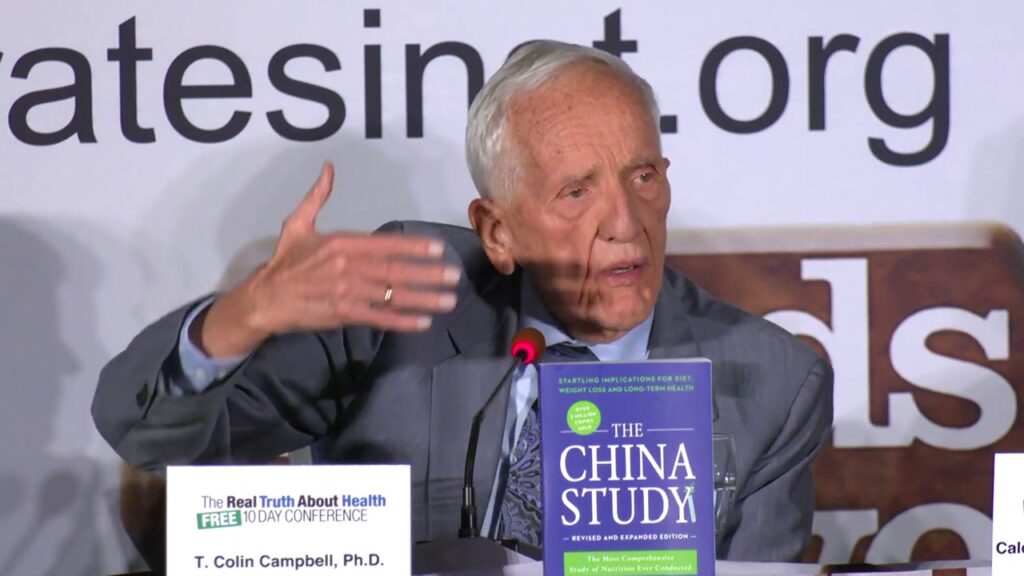
i i think it probably can echo what everyone here will say basically mostly i believe and that’s the wholeness of food i like that concept the whole foods that doesn’t mean to say that we just eat raw whole foods salads all day long but it’s the wholeness of food when we actually chew the food the whole thing together whether it’s cooked or not or diced and sliced that’s one thing i think is a simple message just offering that idea to people to get as close as what they can to that concept of eating that kind of food go the whole way that’s i suspect the best of all they become accustomed to it and they stay there the second thing that i was saying i have just two two fairly simple straightforward things the second is try to avoid foods with animal protein in it basically animal-based foods that’s a hard thing for me to say it was early days because i was raised on a farm milking cows and i started my career actually advocating for greater consumption of animal protein products but through the years i finally arrived at this point once we sort of decide that we’re that we have to eat animal foods to get that special protein we distort the whole rest of the diet and so we see these rather remarkable correlations on our correlations uh walt um you know we have to worry about causation not being correlation not being equal to causation but actually when you see this and they’re consistent usually called by all the names other kinds of foods the correlation is so perfect when we look at across countries to see the relationship between the consumption of the animal protein or surrogates such as cholesterol consumption saturated fat and so forth when we see that it’s really consistent to see that when society start gravitating toward more and more consumption of animal-based foods there’s a problem so two things eat the food in a whole food form not take the individual nutrients out and try to do stuff with it and secondly just try to eat plants it’s fairly simple i think if we could just sort of convey that simple message we’ll be able to capture probably i would suggest 80 to 90 percent of the achievable and 80 to 90 percent of the achievable gains that we can make without getting caught up in all the details
steve i’m gonna redirect the answer a little bit if i so you asked us how we can prevent all these scourges how we can avoid them brenda told the story of her father and these personal and intimate stories are always poignant so i have one too ather ali was a dear friend of mine naturopathic physician first my resident then my protege then my colleague the first naturopathic physician ever on the faculty at yale one of the most beautiful people i’ve ever known plant-based diet no exposure to toxins loving wife beautiful children tranquil peaceful meditated daily slept enough and died tragically at 42 of esophageal cancer and i still have a hard time saying it i still hear his soft voice in my mind anytime i talk about him
so i i think one critical consideration it for all of us is humility we are vulnerable creatures we control ship and sail but never wind and wave so nothing you hear from any of us can ever offer a guarantee all we can hope to do is shift the odds in our favor but i agree emphatically with dr campbell about how massively we can shift the odds so to pivot again and reinforce the message i completed my training in internal medicine in 1991 went to yale to do my training in preventive medicine for the next two years and in 1993 the year i completed that training a paper was published in jama which had a major influence on the trajectory of my career this was by bill feige and mike mcginnis entitled actual causes of death in the united states and it was an evidence-based answer to your question steve so what these two epidemiologists did was enumerate the factors the root causes explaining the leading causes of death every year in our country so they went beyond what winds up on a death certificate to say okay the death certificate says stroke or heart disease or cancer but we want to know what caused that and by the time they were done almost all of the premature deaths that happen in this country every year but for a rounding error were explained away and the full list of factors was 10 things and that list included environmental exposures to toxins socioeconomic disparities poverty is a leading cause of death right so some of what we need to do is not just about how we take care of our own bodies some of what we need to do requires action by the body politic
but what reverberated with me as a young man just starting my career in preventive medicine was that 80 percent of the net effect was concentrated in the first three things which i’ve described ever since as bad use of feet forks and fingers right physical activity levels were inadequate dietary patterns were bad and we were smoking excessively again diets now number one but if you go beyond that list you can append a few more i like feet forks fingers sleep stress and love that’s a bit more holistic colin to tap into the theme and so we can shift our personal risk and we can shift the risk at the population level massively away from all of these chronic diseases and premature death from any cause that’s got to be good enough because we don’t get a guarantee no matter what we do