
The Right Mix Of Seeds, Supplements, And Seaweed with Pamela A, Popper, Ph.D., Milton Mills, M.D., Garth Davis, M.D., David Katz, M.D., Brenda Davis, R.D., Joel K. Kahn, M.D.,
Connect with The Real Truth About Health:
http://www.therealtruthabouthealth.com/
Passionate believers in whole food plant based diets, no chemicals, minimal pharmaceutical drugs, no GMO’s. Fighting to stop climate change and extinction.
i know we have two minutes per question and the question that i’m taking is not a two-minute question so i might just pick a a little fraction of the question and that was the one about uh specific nutrients like vitamin d and dha and what other ones were there in that vitamin d dha epa iodine taurine vanadium chromium and omega 3
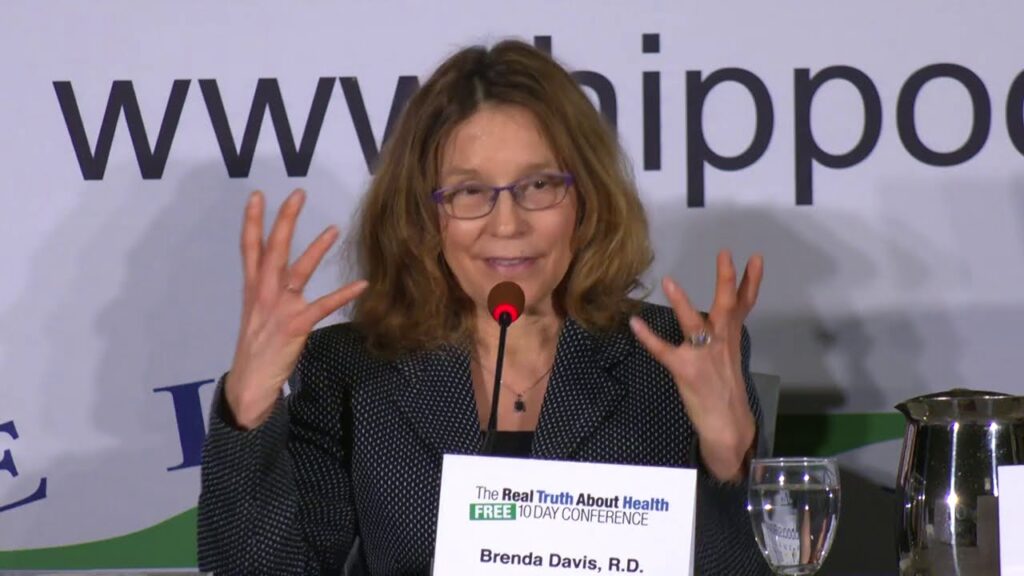
yes so we’ll do omega-3s and vitamin d maybe i i’ll i’ll tackle three as quickly as i can um i’ll start with iodine because that’s a really quick one uh what we know is is that this is a very critical nutrient a lack of which is uh certainly the leading cause of mental retardation in children in the world so that’s something we need to take care of
the the key sources in the diet are generally fish and seafood and dairy products because we use iodine to clean the teats of the cows and and so i mean we iodized salt to help prevent these kinds of deficiency in the population and a lot of vegans don’t like to use iodized salt and so we do especially in europe see much higher rates of iodine insufficiency in in those populations
so what we need to do is figure out a reasonable source of iodine for people and that would be i mean certainly people who are willing to use iodized salt or just iodine supplement or certainly seaweed because seaweed is loaded with iodine now so loaded that you can easily reach the upper limit of 1100 micrograms of iodine eating a lot of seaweed
and and one one of the foods that i would avoid in the plant-based world is hajiki because of the hajiki is a very very high in in heavy metals and so it it many countries avoid against its use for that re reason
uh so anyway um uh you know if you’re using seaweed as your primary source of iodine it’s maybe a tenth of a teaspoon of kelp kelp is super concentrated in iodine and and if you’re using nori it’s about one and a half sheets of nori for 150 micrograms you can use i think it’s about a gram of wakami or rami so those are all reasonable options for for iodine
and vitamin d well certainly the sun is the very best source of vitamin d unfortunately there are a lot of people that live in very cool climates that are not exposed to any warm sunshine for several months of the year and some are rich enough to go to hawaii or other lovely spots to get sunshine but not not everyone is and for those people i think that it’s a reasonable thing to supplement with vitamin d
now vitamin d for the omnivorous population the main sources are fish and eggs and and of course milk that’s been fortified with vitamin d we are fortifying some of the non-dairy milks with vitamin d but still not people people probably don’t consume enough of those to to meet their their needs so it is reasonable to have a vitamin d supplement in that case
um and then the dha epa omega-3 fatty acids is a huge debate within the plant-based world right now as many people know there’s a segment of the the the leadership of the sort of plant-based movement who are saying that we probably should not be taking direct sources of epa and dha
so here’s what we know we know that vegans have low levels of epa and dha we know that epa and dha are very biologically active essential long-chain omega-3 fatty acids technically they’re not considered essential there may be conditionally essential if you can’t convert alpha linolenic acid there’s a series of elongations and desaturations that that allow us to produce epa and dha
in young women that conversion can be quite efficient where there was a study in the uk showing about 36 percent of ala was converted to either epa dpa or dha and it was about 21 to epa and about 9 to dha which is really quite remarkable but if you think about it a young woman has to be prepared to grow a a baby and a brain and so i can imagine that there they would have um reasonable conversion ability
in young men it was a sixteen percent uh conversion about i think eight percent to epa eight percent to dpa and nothing to dha and so you know to be honest we don’t know what ideal really is we don’t know if vegans absolutely need to be taking pre-formed there are very few sources of pre-formed long-chain omega-3 fatty acids in the plant kingdom seaweed has a little bit of of epa no no dha
but what a lot of people don’t know is that epa and dha are not made by fish they are made by micro algae and these are tiny plants in the ocean and that’s where fish get them at some point along the food chain and so many people are are now culturing these uh micro algaes to be able to provide people who don’t eat fish with a direct source of epa and dha
do we need it we don’t know however what we do know is it that that some people have increased needs pregnant and lactating women so they it may be an advantage to get a little bit more and we also know that some people have a reduced um production of the desaturates enzymes responsible for the conversion
so for example people with diabetes and hypertension people who come from regions where for generations fish fish was a major staple within their diets they may not produce as much and so for those individuals it may make sense to boost intakes a little bit with a direct source of epa and dha
so there’s still controversy there’s still a lot we don’t know uh in my opinion i don’t think it’s an unreasonable thing to take a small amount a couple of times a week that would sort of approximate what fish eaters might get eating fish a couple of times a week
and and certainly we do need to make sure we’re getting enough alpha linolenic acid and and this is the plant omega-3 that that we find mainly in chia seeds and flax seeds and and hemp seeds and walnuts and we also about half of the fat in leafy greens is omega-3 but the fat in greens is so dilute it’s not a very rich source of fat
so you would have to eat like a horse or a cow to get enough you would want to be eating about 20 to 40 cups of leafy greens a day to get two to four grams of omega-3 so so it’s we need to supplement that with some more concentrated sources
omega-3s and i think i’ll just leave it at that brenda i want to append something quickly i think i mentioned last night i agree with my friend walter willett about almost everything we we do have one at least one small disagreement walter mentioned last night for those of you who are here that we shouldn’t worry at all about omega-6 fatty acids and no matter how much we get it doesn’t matter
it’s actually strong research in the lipidology literature tom brennan in particular who was at cornell now at ut austin done studies showing that a very high intake of omega-6 interferes with that pathway you just described so the conversion of ala to dha in particular is actually effectively blocked by a very high intake of omega-6
so where are you going to get a very high intake of omega-6 expressed oils used in processed foods so lots of corn oil lots of soybean oil safflower sunflower so in general these may be okay but if they make up a big part of your diet they effectively block the pathway make it more likely that your dha levels are going to be very low
yes and in defense of walter will it um i think what we’ve we’ve found more recently in the in the literature is that whereas we used to think omega-6 was very pro-inflammatory that we’re seeing that it’s not so pro-inflammatory however we do need to put a lid on omega-6 because it can see that it’s the same enzymes that convert the omega-6s and the omega-3s and if we get a lot of omega-6s it can preferentially
yeah convert the omega-6s and you get a reduction of conversion of omega-3s of up to 40 to 60 percent when you eat a lot of omega-6s omega-6 is you’re talking safflower oil sunflower oil corn oil grape seed oil so you’re not wanting to be consuming traditionally soybean but but you have so if you’re mostly eating whole foods and getting your fats from there
or if the oil you use preferentially is extra virgin olive oil you avoid this problem anyway so the whole food approach is effectively a solution to the omega-3 excess yeah so i agree what walter focused on was inflammatory effects but the fact is an imbalance in excess of omega-6 may have some adverse metabolism particularly for people who are not consuming direct sources of epa and dha like vegans
so it’s much less of an issue for omnivores who are consuming direct sources if they’re eating fish there are other dietary factors that can slow conversion as well trans fatty acids saturated fats a lack of specific nutrients certain vitamins and minerals and protein alcohol so we need to be consuming a well-balanced diet to maximize conversion
we know aging can reduce conversion so as we get older we convert less efficiently gender there there are lots of factors that can affect uh conversion ability so yeah thank you one thing i want to add about this i appreciate your saying brenda about we are not clear on this about this omega-3 uh situation and an epa and dha
and i think this is an important clarification because we have some people in our movement who are basically making claims that um the lower levels of dha for example in vegans is a dangerous thing it’s already been decided this is going to lead to disaster we’re all going to be demented or something like that and this is a ridiculous statement to make we simply don’t know
and i think that when we don’t know we should say we don’t know because when we go out there with a great deal of bravado and make a claim about something that’s patently false what you’re hoping is that there’s not a smart person in the room who knows that it’s patently false and i don’t think you can build a business or promote a movement that is dependent on not smart people listening to your message
so i appreciate that clarification the other thing is you mentioned about diabetics for example having lower levels and what we see is people who have who are sick have lower levels of a lot of things there’s a good deal of evidence that lower vitamin d levels are more a function of people being in poor health than anything else
there’s one very good study that illustrates the point lots of them but this one’s really crystal clear people arriving at an emergency room in georgia hyperglycemic enough that they had to go to the hospital their vitamin d levels were 12.3 when they got there and as soon as their glucose levels stabilized they went up to 27.3
all right so you can see the foolishness of doing intervention with vitamin d for diabetics thinking it’s somehow going to make them better because diabetics have low levels of vitamin d so i think when we look at at which comes first is it the low vitamin d that’s contributing to the disease or the disease that has caused the low d or the low dha
whatever we have to be careful that we’re actually looking at what is causing what before we go out the deep end and say oh my gosh you’re eating a vegan diet you have to take these supplements or you’re pre-diabetic so if you take these supplements it’s going to somehow help you so i think that clarification needs to be made
do you got vitamin d to try to decide whether or not someone needs vitamin d one of the primary roles of vitamin d is to allow calcium absorption in the intestine so i look at parathyroid hormone do you guys look at parathyroid hormone to see whether or not their vitamin d is actually affecting their calcium does anybody else do that am i the only one who checks parathyroid they’re only if they’re hyper calcium okay
we’ll check it but i mean if they’re normal calcium but they’ve got a high parathyroid hormone that means their body because you could be normal calcium it can still be low in calcium and so then i say okay well your vitamin d needs to be supplemented in that situation i don’t yeah
no two minutes on sugar and heart disease uh i had an opportunity to make this statement that was quoted and the joe rogan experience uh september 2018 that i’ve been in heart arteries as an interventional cardiologist fifteen thousand times and i’ve never scooped out sugar
because you can actually do a procedure and scoop out plaque 1913 was the first year and each cow identified that in atherosclerosis there is cholesterol then we fed mice uh high cholesterol diets they developed plaque that led in many other data points and i think 11 nobel prizes to what’s been called the cholesterol hypothesis
that serum cholesterol has a relationship to the development of the number one killer men and women very seminal in this data was ansel keys you’ve heard his name a couple times dr willett showed a slide from the seven country study i’ll show another one tomorrow at lunchtime um and that was the leading hypothesis
and if you think the food wars are ugly now at times in the 1960s came an englishman named john yutkin who had a contrary view it’s sugar it’s not cholesterol dr ansel keyes published a paper about sugar and atherosclerosis where he castrated a scientist as well as any scientists can cancerate their fellow scientists
looking at every data in the world and saying uh it’s hardly sugar compared to the potency of uh cholesterol and plaque cholesterol in the serum and the dietary influences that raised that all that percolated along until a couple years ago when we did find out that there were a few scientists not ansel keys that did actually take some money from the sugar industry to taint the conclusion of a very sophisticated paper in the new england journal medicine in 1965 that probably four people in the world read
but it just really dirtied the waters the importance of animal foods contributing to raising cholesterol and the importance of added sugar what we do know in cardiology and nobody reviews us better than kim williams there are certainly epidemiologic studies that high levels of added sugar in the diet are associated with high levels of coronary disease sugar sweetened beverages
is it that we gain weight and we become pre-diabetic diabetic and we become hypertensive and our triglycerides go up and become insulin resistant or is it that sugar’s directly toxic and there’s very little data that sugar’s directly toxic to coronary arteries it’s an indirect mechanism
but the only reasonable conclusion and the joy of a whole food plant diet is it’s naturally low in cholesterol in fact it’s absent it’s naturally low in fats generally and it is certainly naturally low in added sugars if you avoid doughnuts and cookies so uh they you know food quality matters you’ve heard that over and over and so does sugar content not fruit though we all love fruit i think