
Here are the latest scientific findings on proven benefits to help Prevent and Reverse Diabetes.
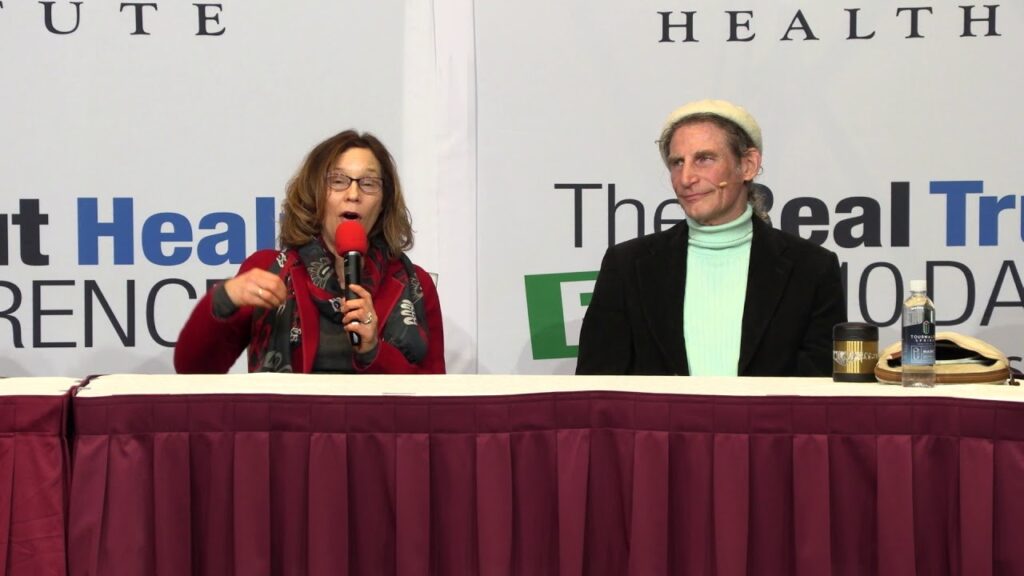
Panel Participants: Anna Maria Clement, Ph.D., L.N., Brian Clement, Ph.D., L.N., Brenda Davis, R.D., Gabriel Cousens, MD, MD(H), DD
Connect with The Real Truth About Health
http://www.therealtruthabouthealth.com/
Passionate believers in whole food plant based diets, no chemicals, minimal pharmaceutical drugs, no GMO’s. Fighting to stop climate change and extinction.
Intro
I’m dr. cousins everywhere I’ve heard in the whole food plant-based community the thought is you know whole food plant-based diet and get you cholesterol lower in rural China they had really low cholesterol levels it seems that for the last 20 years everything I’ve heard is low cholesterol below 150 makes you heart attack proof and then you said during your lecture that actually 159 is safer and lower cholesterol is connected to depression and other issues I’m wondering the discrepancy because again it seems like they’re saying in all these rural China areas they in the China study that they was saying that people had naturally levels below a hundred of cholesterol so if we eating a plant-based diet and our natural cholesterol is one-twenty one-fifteen one-ten what point are you making about cholesterol B well mostly we make eighty
Cholesterol and depression
percent of our cluster or at least in our liver ourselves so I never think about a low cholesterol or high cholesterol diet and I’m also looking at data not in China because it’s a different culture and a different genetics I’m personally talking about what we’re talking about in the United States where we’ve seen but include studies around the world that a cluster between 160 to 260 s is actually safe but the dangerous is the lower cost well and the data is there I ever learned at medical school very indirectly but people with low cholesterol are much more likely to be depressed because you need cholesterol as a receptor site for serotonin which has an antidepressant effect so I kind of knew about it in a whole different way back in the 60s so what we’re looking at is you have six times more suicide with lower cholesterol that’s just a fact and if you’re an upper lower 25% you’re talking double the rate of suicide because locura you need costo for proper brain function so it’s more like that kind of understanding is that when we examine lower we do have some problems you’re gonna have more stroke with lower cholesterol you’re gonna have more cognitive decline I’m not going to cite all the studies but it’s pretty clear people lower cost you’ll have greater cognitive decline than people with a higher cholesterol so basically these are studies are looking at so I try to look at it holistically and say okay we can worry about clothes too but men what we shouldn’t because if we go too low we can create some problems for ourselves now that’s the America that kind of more Western European American culture where that data is from so that’s how I look at it and it doesn’t really include China which is really a different more of a different genotype
Cholesterol and dementia
so it’s a good question mostly I’m saying don’t worry about cholesterol it’s the second biggest fear is we have Alzheimer’s and you have cholesterol it’s what people worry about and actually low cholesterol contributes to cognitive decline as well I’ll look through another window at this as a vegan and always advocating you know cholesterol is bad it can give you a heart attacks give you strokes which is all true and my colleagues dr. Esselstyn will explain that to you and Dean Ornish’s work that’s the particular window they look through now this is an evolving understanding science is not static science is not this is science and we should institutionalize it we learn as we go with this and what we do know with Centurions is they generally have higher cholesterol and when they don’t have dementia they generally have higher cholesterol so I’m ready to completely radically shift what I’ve said for 35 years we’re always high cholesterol in every case is going to be a problem for you I think the difference in my mind now and it’s evolving is that after a certain age high cholesterol sarn’t going to give you the potential for heart attacks and strokes like it would at 30 or 40 years old what we seem to know is that if you want to live to a hundred years old your cholesterol better be on the high end and I think the numbers you pointed out or absolutely correct so I’m seeing this once these studies came out I started to open my mind to it everything I see the 80 year old sitting in front of me in the 90 year olds and guess what they have 200 they have 250 except when I would have been yelling 20 years ago oh my god you’re gonna have a heart attack and they’re just sitting there saying yes but your memories going bad and mine’s not so holistically is the key here heart attack is the only one thing and truly if you’re a vegan you don’t really have to worry about heart attacks that’s right really not what’s going on and don’t worry about your cholesterol either they want to decrease the fear factor here just you know there was a
Cholesterol and heart disease
new president council summary on cholesterol and heart disease and saturated fat and heart disease it was looking at diet and heart disease in probably just a couple of months ago and there’s definitely still concern about very high cholesterol levels and heart disease but I think people need to understand that high cholesterol levels alone are probably not going to do the trick you need inflammation oxidative stress lipo toxicity dysbiosis all of these things that will come together to cause cardiovascular disease if it’s just higher cholesterol alone and you’re eating a wonderful vegan diet you’re probably on pretty safe safe ground on the other hand I know an awful lot of vegans alike myself whose cholesterol sort of you know around 130 or 140 whoo I mean I’ve never been depressed today in my life and I I feel like I’m very very healthy and I don’t want to necessarily do some you know start eating very differently I already eat a lot of nuts and seeds and avocados and so forth so I’m not really convinced that I need to make huge changes to try to increase my cholesterol either there’s still a lot of questions in this area
sunny place in Canada you don’t know you could be a vegan in the dark you but it’s not true we have a grey sky almost the whole winter do you really mean that Valley that cloud and I thought boy if I can stay happy through this you travel a lot yeah so it is individual individual and and like Gabe yourselves we have to make programs individual and you know a lot of our gifts comes in and they say well my whole family has high cholesterol ever gonna move and it moves and they’re shocked it moves all the time all the time so obviously we get to where we should be and so you might be in a certain number I might be a little bit higher a little bit lower that’s all individual but you will actually get to where you should be that’s that’s the trick yeah that’s the good trick yeah so what we found in our program is generally just doing the full 100% live food for most people there’s a 24 percent decrease in cholesterol well we got to kind of look at as what see a lot of holistic physicians now are saying something different the main cause of heart disease isn’t cholesterol it’s inflammation and it’s inflammation of the cardiovascular system that’s the real issue not cholesterol so let’s kind of get that clear it’s very important to get clear on that cholesterol comes later but actually triglycerides are a bigger problem and as I showed this morning that on this diet with more fat and less carbohydrate because carbohydrates raised triglycerides that you really don’t want to be above a hundred at most and on this diet which is higher fat 25 25 percent plant fat we had the lowest triglycerides 82 whereas the kind of low fat diets had much higher because they’re doing a lot more carbohydrates and it’s the triglycerides that are actually a much more serious threat to your cardiovascular system just to kind of put in perspective but inflammation is the big issue of what helps triglycerides and what helps fat and would help beetus and what helps everything we’re talking about is good fats which is sort of scary too if you’re not a nutritional guy you know good fats prevent diabetes good fats prevent heart attacks good facts prevent mental illness and another
Refined vs unrefined carbohydrates
point on the triglycerides is that there’s a huge difference if you’re eating a fairly high carbohydrate diet if the carbohydrates are refined versus unrefined so with dean ornish when he first started doing his program there there were quite a number of refined carbohydrates they they used flour products a lot no the the program that I’m doing in the Marshall Islands we don’t we have a whole grain hierarchy we draw the line at intact whole grains we don’t use flours and so we actually had a forty four point drop in triglycerides on our program even though it was relatively high in carbohydrates the carbohydrates came from whole plant foods not refined foods and there’s a very significant difference what’s interesting the same grain you take the same grain you could take it from the same plant and if you refine one it’s a problem and the other one is not isn’t that interesting just shows you how delicate nature is