
Are University Health Studies Conducted To Protect Your Health? with Milton Mills, M.D., David Katz, M.D., Brenda Davis, R.D.
Connect with The Real Truth About Health:
http://www.therealtruthabouthealth.com/
Passionate believers in whole food plant based diets, no chemicals, minimal pharmaceutical drugs, no GMO’s. Fighting to stop climate change and extinction.
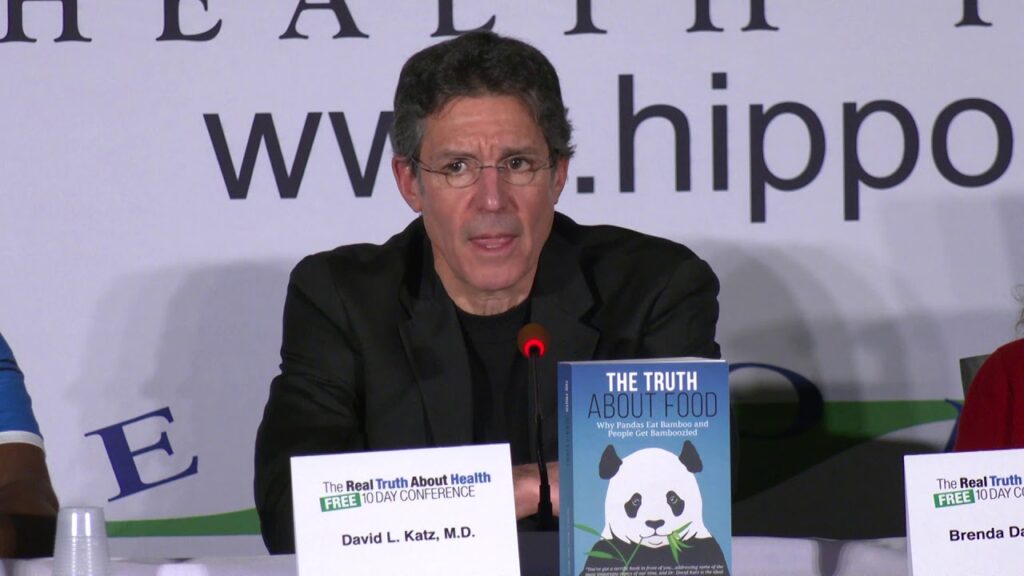
these three questions the first one is for dr. Katz dr. catch you worked in the university community for most of your adult life many of us trust and like universities should we assume universities or unbiased caring institutions who provide benevolent benevolent scientific information to the world for the sake of bettering humanity or their financial conflicts of influence conflicts of interest influencing the information they report please explain if when we hear about a study or information coming from a university if we should assume it’s unbiased and accurate second question where do the largest strongest animals on this planet get their protein from is it true that they are all vegans or herbivores what does this have to do with human health and number three are there risks to low cholesterol Gabriel Cousins says low cholesterol is associated with greater depression according to studies that he has seen these are all for me know those what we’re all briefed you just the first us feel just the first one just just our University’s unfailingly unassailably unimpeachably ethical and wonderful yes of course ya know so it’s silly universities are institutions with lots of people in them and there there certainly ought to be participation in the principles of academia and academia ought to foster the pursuit of truth and understanding it ought to foster diversity of perspectives and methods and it ought to foster transparency but human beings have biases and those biases influence the work we do and quite frankly some biases are more lucrative than others so even if the university is committed to being unassailably ethical what if some of your researchers are asking questions that more readily result in grant funding than others what if those asking questions that the beef industry likes just for instance are more readily funded than those asking questions of interest to the zucchini growers and what if the fact that those with interest related to the beef industry get funded more advances them in the academic hierarchy so they attain the status of full professor department chair tenure and have more leverage at the University and carry with them their native human bias now you know has this tarnished the reputation of the university or is just this the normal course of human machination I you know I would argue that it’s a bit of both
I think we really need to recognize that institutions can be motivated by a diversity of interests universities are interested in money like people are individuals all have biases biases don’t make us bad they really just mean we’re human they’re things we like and prefer what I think you have to require in all cases is evidence of egalitarianism a willingness to ask a variety of questions a willingness to support a variety of pursuits what worries me is if there’s a strong link between an institution and to give an agenda and you know that the question is timely because as I shared with you yesterday you know I was here fresh from some Diet Wars particularly related to processed meat and the latest development in the back-and-forth tussle there is that the Chancellor of Texas A&M University which is a land-grant University with ties to big agriculture and the beef industry among other things the chancellor of texas A&M sent a letter to harvard university the president asking that Frank you Walter Willett and I all be investigated for opposing the guidelines telling you to all keep eating processed meat so it appears that Texas A&M doubled down on these very missed I did guidelines so I would argue there appears to be a bias at the level of the whole institution walter frank and i for those of you interested all said yes let’s by all means have harvard university investigate so you know compared to most institutions universities are our temples of you know the concerted effort to pursue truth but they’re flawed institutions because human beings run the show and human beings are all flawed so you know i think at the end of it all you know they’re better sources than most but caveat emptor you need to know who are these people what do they have to say where does their funding come from do they always produce the same answer to just one question have they devoted their entire career to one funding source would they be able to change what they’re talking about and not have it hurt them the message is coming out of harvard about diet could be anything under the Sun and Harvard would be fine it appears to me that if the research coming out of Texas A&M didn’t favor meat it would be harmful not only to the individuals but to the University that’s pernicious