
I can remember the first time I tasted vegan cheese – about 30 years ago. It was awful. It tasted more like plastic than cheese, and the first ingredient was hydrogenated vegetable oil. I swore off commercial vegan cheeses and began making simple cheeses with nuts, nutritional yeast, red peppers, and other whole foods. While they didn’t have the same flavor, mouthfeel, or meltability that dairy cheeses have, they filled the void. Thankfully, plant-based cheeses have come a long way!
The Great Plant-based Cheese Evolution
For decades, cheese has been the stumbling block for many considering a fully plant-based diet. The creamy, tangy, and sometimes sharp flavors of traditional dairy cheeses are cherished by culinary traditions worldwide, and many consumers can’t imagine life without them. However, concerns about health, environmental sustainability, and animal welfare have spurred interest in alternatives. Fortunately, vegan cheese has come a long way from the uninspiring, tasteless options of the past. Today’s vegan cheeses are diverse, delicious, and nutritionally advantageous-a testament to innovation and evolving food science.
The Early Days: A Rocky Start
The first vegan cheeses, introduced in the 1980s and 1990s, were designed as basic substitutes for dairy cheese. Typically made from vegetable oils, these products were often criticized for their rubbery texture, bland taste, and inability to melt properly. While they filled a niche for those committed to avoiding animal products, they failed to win over skeptics or cheese aficionados.
The Turning Point: Fermentation and Artisanal Techniques
The transformation of vegan cheese began in earnest in the 2010s, as food scientists and artisans started experimenting with fermentation-the process that gives traditional cheese its complex flavors. By using nuts, seeds, and even legumes as bases, and incorporating live cultures, these pioneers created products that rivaled dairy cheeses in flavor and texture. Fermented nut-based cheeses, often made from cashews, almonds, or macadamia nuts, offer a depth of flavor and creamy consistency that appeals to even the most devoted cheese lovers.
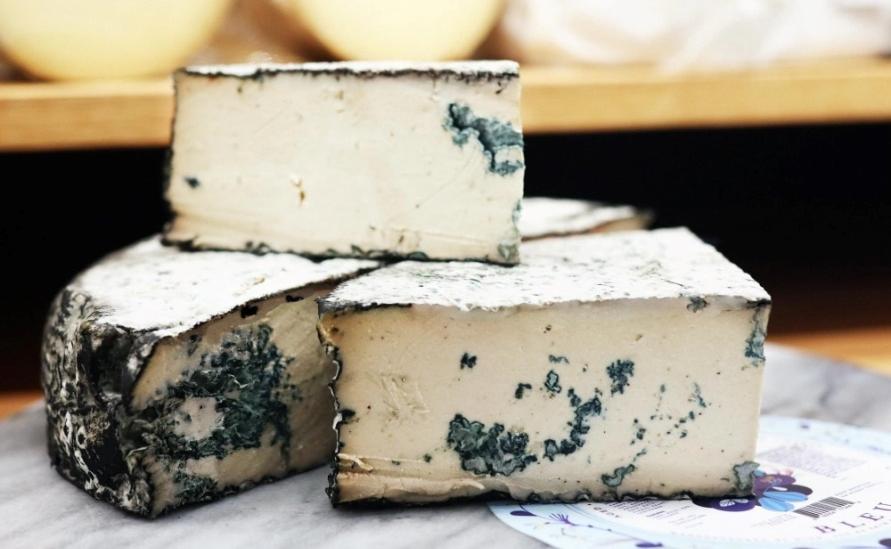
Artisanal vegan cheesemakers have taken this craft to new heights, producing varieties that mimic Brie, Camembert, cheddar, and blue cheese. These cheeses are often aged to develop their flavor profiles and are crafted with the same care and attention as traditional dairy cheeses.
While traditional cheese is rich in calcium and protein, it is also high in saturated fat and cholesterol. Vegan cheese, depending on its base ingredients, can offer a healthier profile:
- Lower in Saturated Fat: Many vegan cheeses, especially those made from nuts or seeds, have less saturated fat compared to dairy cheese.
- Cholesterol-Free: Plant-based cheeses contain no cholesterol. Rich in Nutrients: Nut-based cheeses are often high in healthy fats,
vitamins, and minerals, such as vitamin E, magnesium, and zinc. Some products are also fortified with calcium and B12, making them nutritionally comparable to dairy cheese.
- Allergen-Friendly Options: For those with lactose intolerance or a dairy allergy, vegan cheeses offer a safe and tasty alternative.
Environmental and Ethical Benefits
The advantages of vegan cheese extend beyond personal health. Dairy production is resource-intensive, requiring significant amounts of water, land, and energy, and it contributes to greenhouse gas emissions. By contrast, plant-based cheese production has a significantly smaller environmental footprint. Moreover, opting for vegan cheese supports animal welfare by reducing reliance on dairy farming.
Exploring Today’s Options
Modern vegan cheeses are available in suitable for any dish:
- Spreadable Cheeses: Perfect for crackers or bagels, these include cream cheese alternatives and soft spreads.
- Melting Cheeses: Ideal for pizza, grilled sandwiches, or nachos, these include mozzarella, cheddar, and pepper jack varieties.
- Artisanal Cheeses: Designed for cheese boards or gourmet recipes, these include aged, bloomy rind, and blue-style vegan cheeses.
- DIY Vegan Cheese: For those who enjoy culinary adventures, homemade vegan cheese recipes are readily available online. These often use ingredients like cashews, nutritional yeast, and probiotics.
The Future of Cheese Is Plant-Based
Thanks to innovation and growing consumer demand, vegan cheese has evolved from a subpar substitute to a gourmet option that holds its own against traditional dairy cheese. With its nutritional benefits, ethical appeal, and environmental advantages, plant-based cheese is more than a replacement-it’s a better choice for people and the planet. For those hesitant to give up cheese, today’s vegan options offer a delicious and satisfying solution.
Making Vegan Cheese
One of the main downsides of the more healthful fermented options is that they are expensive. An excellent way of cutting costs is to make your own. Vegan cheeses are typically made from plant-based plant-based ingredients such as nuts, seeds, soy, or starches, often combined with nutritional yeast, spices, and sometimes probiotics for fermentation. Here are three recipes to help you create your own vegan cheese at home: fermented cream cheese, a firm, sliceable cheese, and a creamy cheese sauce.

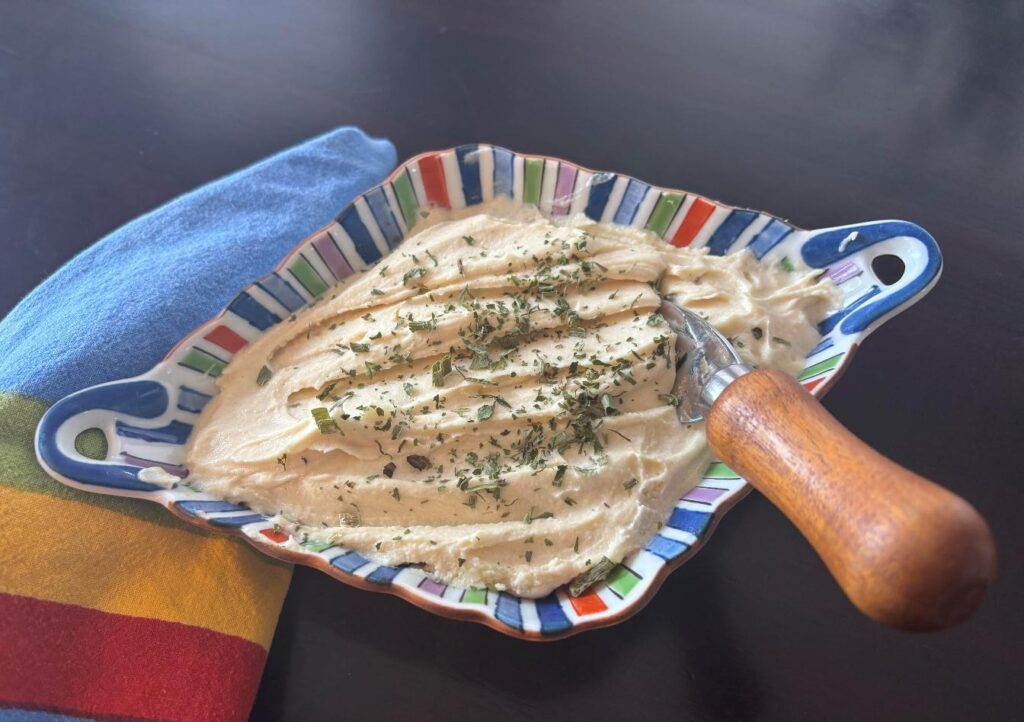
Fermented Vegan Cream Cheese
This rich and tangy cream cheese is made using cashews and probiotics, giving it a cultured flavor. Replace the lemon juice with 1 teaspoon of citric acid, if desired. Feel free to add herbs and spices such as dill, chives, parsley, garlic, onion powder, cayenne pepper, black pepper, or herb mixes. Cream cheese freezes well.
Ingredients:
- 2 cups raw cashews (soaked in water for 4-6 hours or overnight)
- 3/4 cup water
- 2 probiotic capsules (vegan-friendly)
- 3/4 tsp salt (optional)
- 1 tablespoon lemon juice (optional, for extra tang)
Instructions:
- Drain the soaked cashews, and rinse in fresh water.
- Blend cashews with 3/4 cup water in a high-speed blender until completely smooth.
- Open the probiotic capsule and sprinkle the powder into the cashew mixture (discard the capsule shell). Blend again to combine.
- Transfer the mixture to a clean glass jar or bowl, cover it with a breathable cloth, and let it ferment in a warm room for 24-48 hours.The longer it ferments, the tangier it will become. If your home is cool you can put the cheese in a dehydrator at the lowest temperature.
- Once fermented, stir in sea salt and lemon juice to taste. Store the cream cheese in an airtight container in the refrigerator for up to 7 days.
Roasted Red Pepper Cashew Cheese Sauce
Makes about 2 cups.
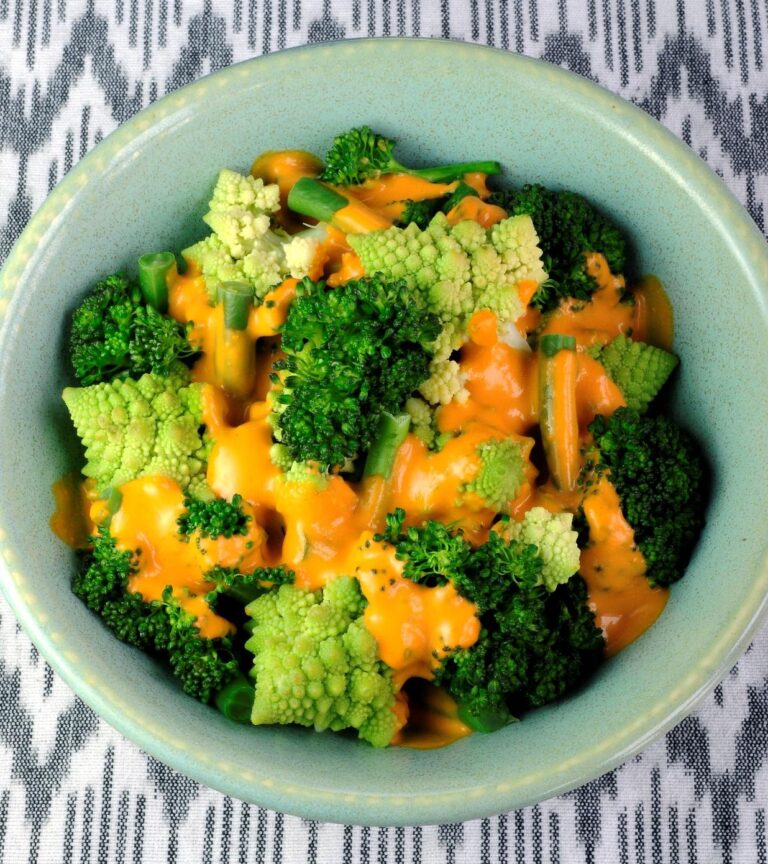
This sauce is fabulous on macaroni or other pasta, steamed vegetables, patties, or loaves and makes a fine filling for celery sticks. Stir it into soups or stews just before serving to impart a creamy texture and cheesy taste. Soaking the cashews before blending increases the availability of their minerals and the smoothness of the sauce. If you prefer, use raw red pepper.
Ingredients:
- 2 cups unsweetened fortified non-dairy milk or water
- ¼ cup raw cashews, soaked for 4-6 hours, drained, and rinsed
- 1 large roasted red bell pepper, seeded and coarsely chopped
- 2 tablespoons cornstarch
- 3 tablespoons nutritional yeast flakes
- 2 tablespoons lemon juice
- ¼ teaspoon garlic powder
- ½ teaspoon onion powder
- 1 teaspoon salt
Instructions:
- Put the milk, cashews, roasted red pepper, cornstarch, nutritional yeast flakes, lemon juice, garlic powder, onion powder, and salt in a high-powered blender and process until very smooth and creamy.
- Pour mixture into a medium saucepan and bring to a boil over medium heat, stirring constantly. Immediately decrease the heat to medium-low and cook, stirring or whisking frequently, until thickened about 5 minutes.
- Blend again for an extra silky sauce, if desired. Serve hot on anything you would use a cheese sauce.
Sliceable Vegan Cashew Cheese
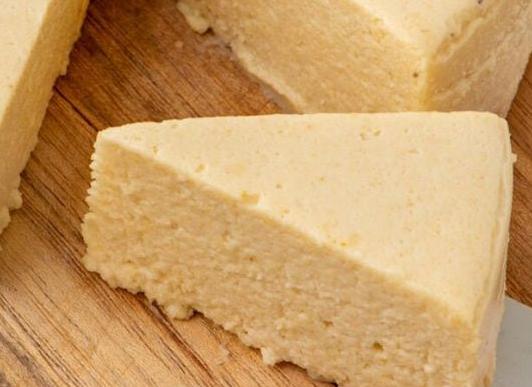
This recipe creates a firm, sliceable vegan cheese that’s great for sandwiches, crackers, or charcuterie boards. For a speedy way to soften cashews, cover them with boiling water and soak for 30 minutes.
Ingredients:
- 1 cup raw cashews, soaked for 4-6 hours, drained, and rinsed
- 1½ cups water
- 3 tablespoons nutritional yeast
- 2 tablespoons lemon juice
- 1 teaspoon apple cider vinegar
- 2 tablespoons tahini
- 1/2 teaspoon garlic powder
- 1 teaspoon onion powder
- 1 teaspoon salt
- 2 tablespoons tapioca, com, or arrowroot starch
- 2 tablespoons agar powder (a plant-based gelling agent)(or 5 tablespoons agar flakes)
Instructions:
- Prepare the Cashews: Place cashews in a blender along with 1 cup water, nutritional yeast, lemon juice, apple cider vinegar, tahini, garlic powder, onion powder, salt, and tapioca starch. Blend until smooth and creamy.
- Prepare the Agar: In a small saucepan, whisk together the agar powder with ½ cup of water. Heat the mixture over medium heat, stirring constantly, until it comes to a simmer and thickens (about 3-5 minutes).
- Combine the Mixtures: Quickly pour the hot agar mixture into the blender with the cashew cream. Blend until everything is fully incorporated.
- Cook the Mixture: Pour the blended mixture back into the saucepan and cook over medium heat for 3-5 minutes, stirring continuously. The mixture will thicken and take on a cheese-like texture.
- Mold and Chill: Pour the hot cheese mixture into a glass containerlined with parchment paper or a silicone mold. Smooth the surface with a spatula. Let it cool to room temperature, then refrigerate for at least 2-3 hours until firm.
- Serve: Once set, the cheese can be sliced and served. Store leftovers in an airtight container in the fridge for up to one week. Enjoy on sandwiches, toast, crackers, or paired with fruit.


This article was originally written for So Many Cooks in the Kitchen. Brenda Davis, RD is a plant-based pioneer and author/co-author of 13 books on plantbased diets. She is co-Author of Nourish: the definitive plant-based nutrition guide for families, Becoming Vegan: Comprehensive and Express Editions and Kick Diabetes Essentials. www.brendadavisrd.com